
The 15 Best Things to do in Vietnam for First Timers.
I still remember my first morning in Vietnam, after a month in Thailand…
Standing on a street in Hanoi’s Old Quarter, with a strong iced coffee in hand, watching the city wake up around me.
I could feel the character of the country immediately.
Vietnam is one of those countries that constantly pulls your attention in different directions.
From lantern-lit streets in Hoi An and limestone islands in Ha Long Bay to rice terraces in the mountains and chaotic city scenes, it feels like every day brings something completely new.
But that variety also makes planning tricky.
With so many places, activities, and ‘must-sees’ competing for your time, it’s hard to know what’s actually worth doing on a first visit, and what can wait.
After travelling through Vietnam multiple times, from north to south, I’ve learned that some experiences really do define the country, while others are easy to skip.
In this guide, I’m sharing the 15 best things to do in Vietnam for first timers
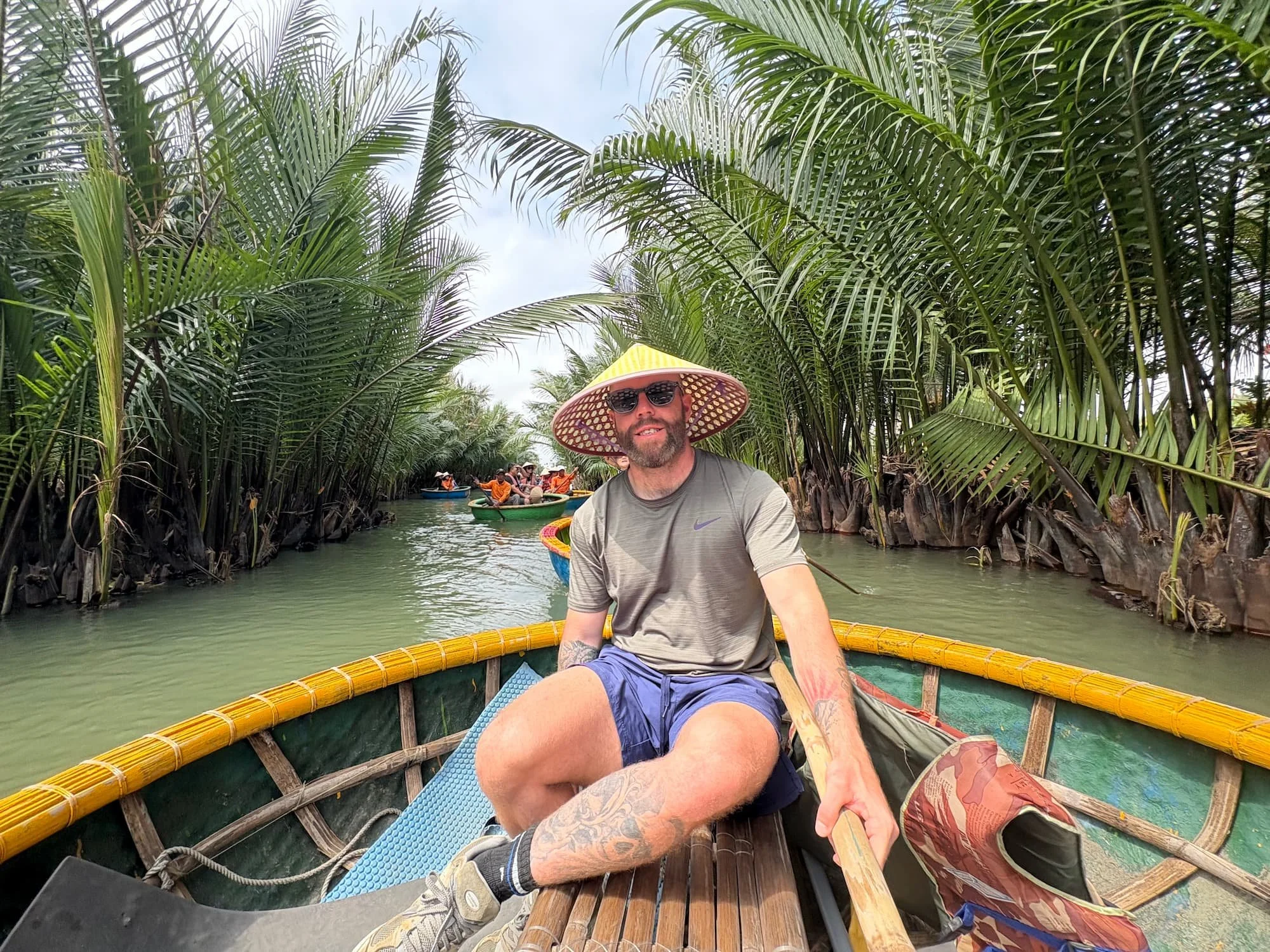
Enjoying the coconut basket boat tour.
Disclosure: I sometimes use affiliate marketing. This will not cost you anything, but helps with my travel costs. I only recommend companies I use myself.
Lantern Towns, Limestone Bays & Jungle Escapes — Vietnam’s Most Aesthetic Stays 👇
Vietnam’s most beautiful hotels elevate the experience just as much as the destinations themselves:
Four Seasons Resort The Nam Hai (Hoi An) – Expedia / Booking.com / Agoda - Elegant beachfront villas with private pools, lotus-lined pathways, and open-air pavilions just minutes from Hoi An’s lantern-lit old town. Calm, refined, and effortlessly photogenic.
Topas Ecolodge (Sapa) – Expedia / Booking.com / Agoda - Remote stone bungalows perched high above terraced rice fields, with infinity pools spilling into the mountains and clouds rolling through at sunrise. One of Vietnam’s most jaw-dropping nature stays.
Paradise Elegance Cruise (Ha Long Bay) – Expedia / Booking.com / Agoda - A boutique overnight cruise gliding between limestone islands, offering polished cabins, sunset decks, and misty morning views over emerald water — the most atmospheric way to experience Ha Long Bay.
Hanoi Hotel Guide - Where to stay in Da Nang - Best Vietnam Day trips - Best Vietnam eSim
Wander Hanoi’s Old Quarter Streets.
Hanoi’s Old Quarter is often the very first taste of Vietnam for international visitors, and it’s an unforgettable introduction.
This is where the city feels raw, chaotic, and completely alive. Narrow streets buzz with scooters, street food stalls spill onto the pavements, and everyday life unfolds right in front of you.
I always find it to be loud, and intense, but endlessly fascinating. There was always something grabbing my attention.
Although there are plenty of highlights in Hanoi, I love the everyday things, like sitting next to locals on plastic stools, slurping bowls, or enjoying fresh spring rolls.
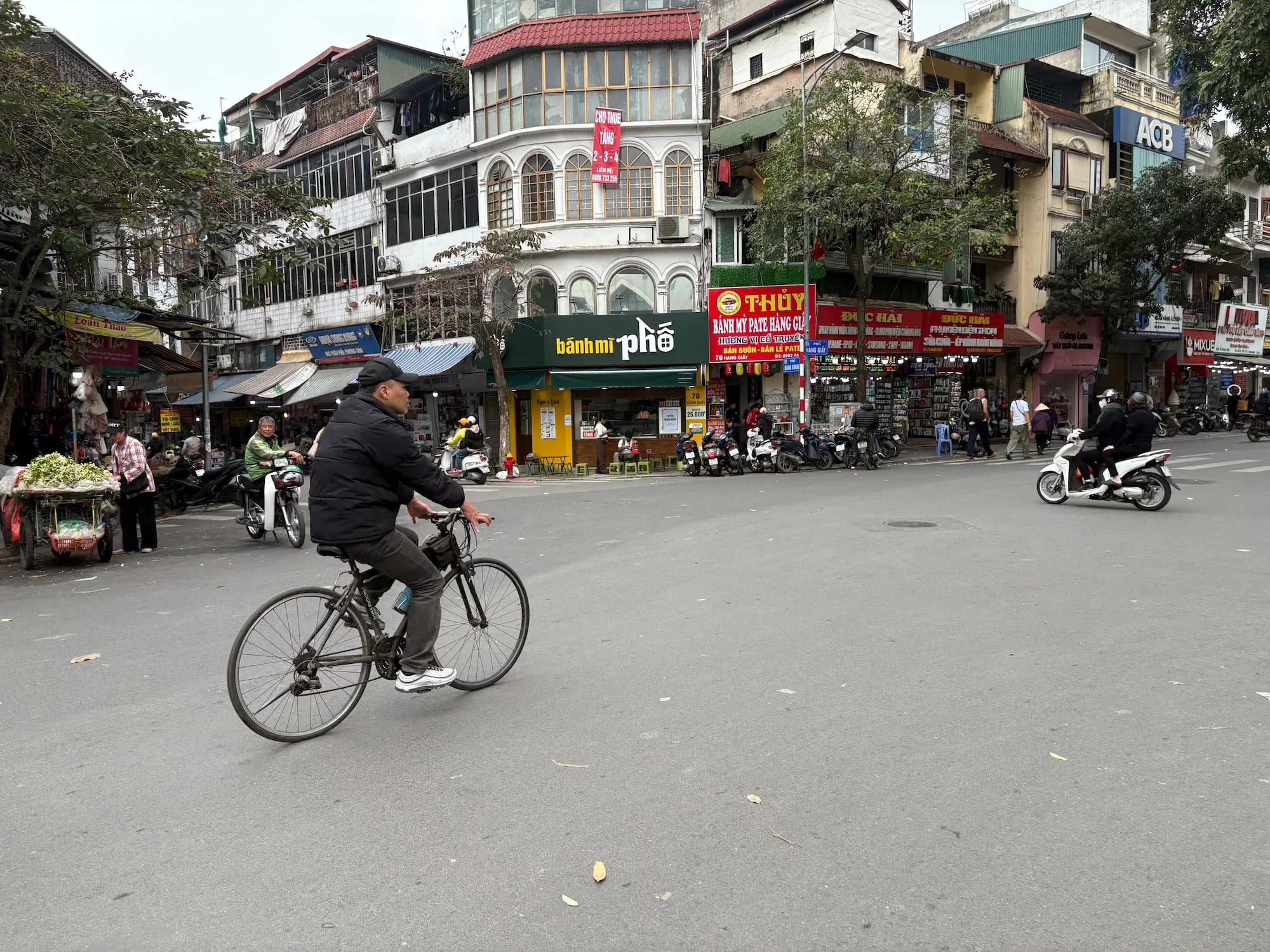
Everyday life here is so intriguing.
Everyday life here feels so photogenic, from tangled electrical wires and faded yellow buildings to steaming food carts and constant motion, the Old Quarter is Vietnam in full flow.
The Old Quarter neighbourhood captures the city at its most authentic.
It naturally anchors any first-timer route, fits perfectly into a relaxed three-day stay, and rewards travellers who base themselves nearby.
I have returned to the capital several times just for the food, especially for a quick stop at one of the Old Quarter’s most famous banh mi spots.
The Old Quarter proves that Vietnam’s most memorable moments often come from simply slowing down and watching daily life unfold.
Best time to go: Early morning for quieter streets, or evening for peak atmosphere.
Time needed: 2–4 hours (or longer if you wander slowly).
Hidden gem nearby: The Note Coffee, Banh Mi 25, Peridot Gallery Classic Hotel.
Best moment for photos: Early morning when shop shutters lift and street life begins.
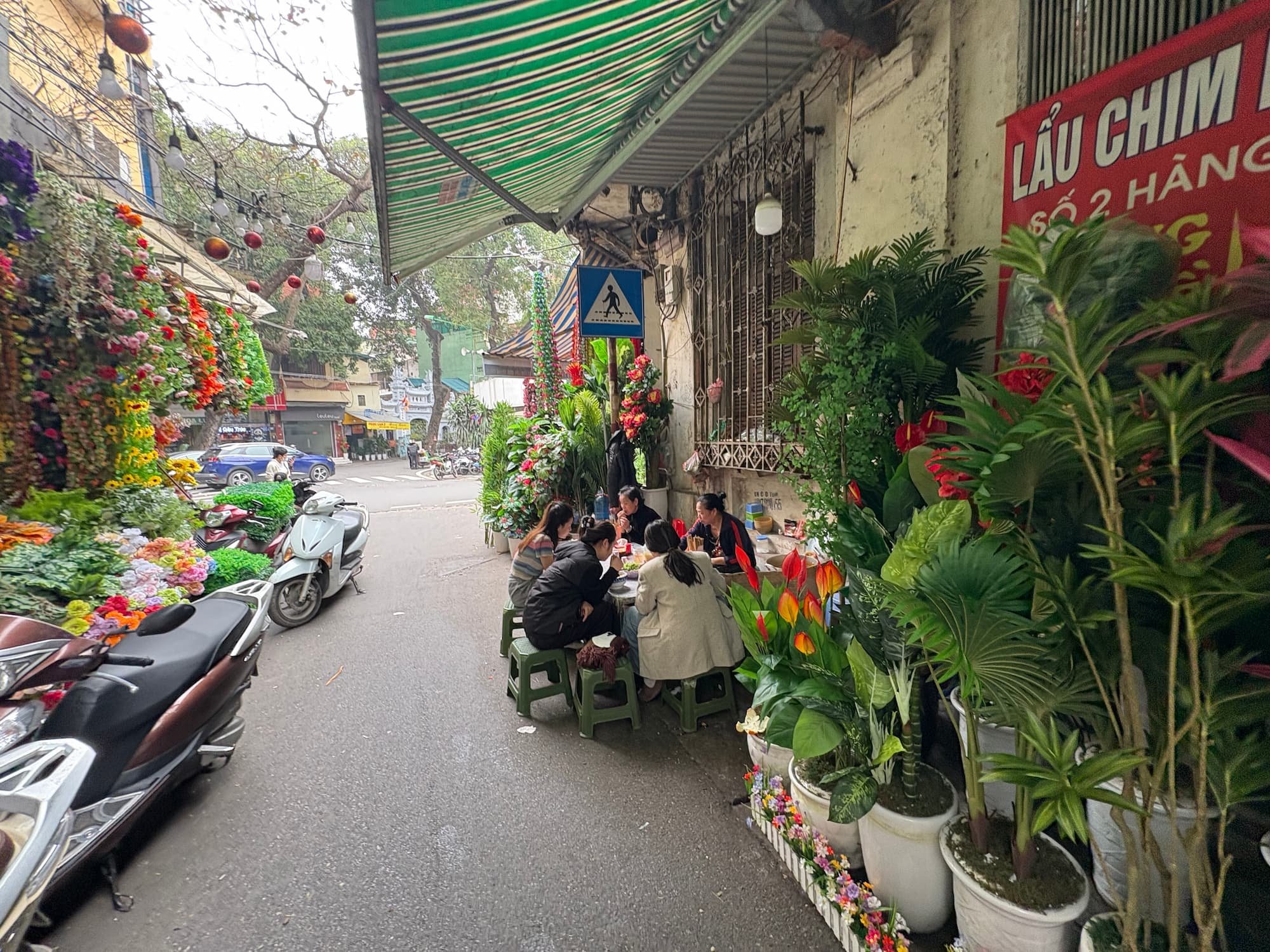
A flowery alley in the Old Quarter.
Cruise Through Ha Long Bay.
Ha Long Bay is often the moment Vietnam truly sinks in for first-time visitors.
After the constant movement of the cities, arriving here felt like stepping into a completely different world for me.
Limestone karsts rise straight out of the water in every direction, and it’s only once you’re actually cruising through them that you realise how vast Ha Long Bay really is.
It felt like we were cruising forever, and the scenery was awesome the whole way!
On my last visit it was actually pretty cloudy, but it didn’t take anything away from the experience. The bay still felt calm, the boats moved slowly, and once you’re out on the water the noise of the cities completely disappears.
Even without blue skies, it’s still one of Vietnam’s incredibly Instagram-worthy places.
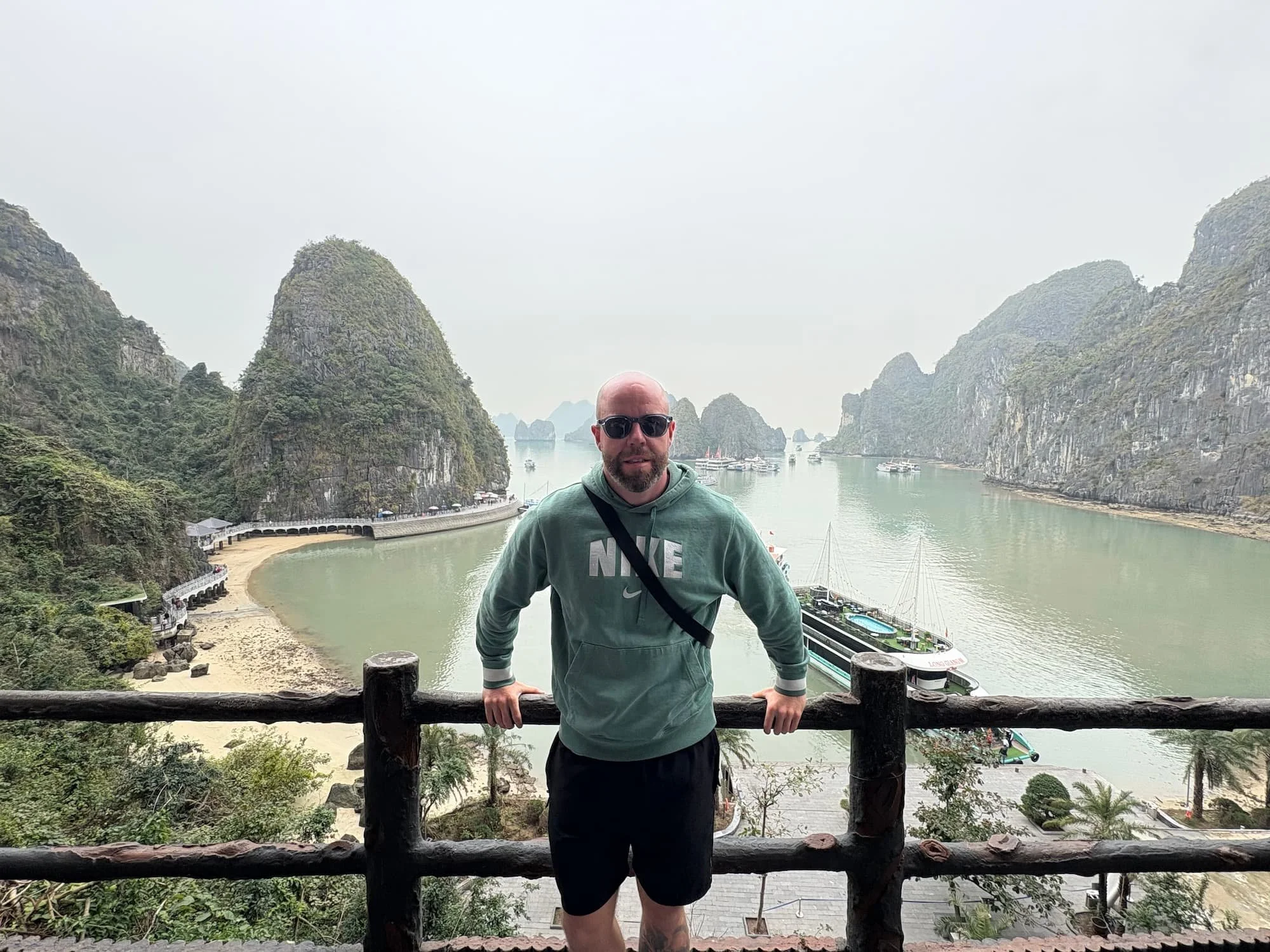
Such an amazing place.
A lot of people visit Ha Long Bay on a day trip, but staying overnight makes a big difference. It’s quieter, less rushed, and you get to see the bay early in the morning before the day boats arrive.
For a first trip to Vietnam, it’s easily one of the most memorable stop
Best time to go: March–May or September–November for calmer seas and clearer skies.
Time needed: Full day or 2 days / 1 night.
Cruise options: Day cruises for tight schedules, overnight cruises for a slower, more immersive experience.
Best moment for photos: Sunrise or sunset when mist hangs low between the karsts.
🚢 Recommended Cruise Experiences.
Ha Long Bay Day Cruise – A great option if you’re short on time but still want to see the bay’s dramatic limestone scenery.
Ha Long Bay Overnight Cruise – The most atmospheric way to experience the bay, with sunset decks, peaceful mornings, and uninterrupted views.
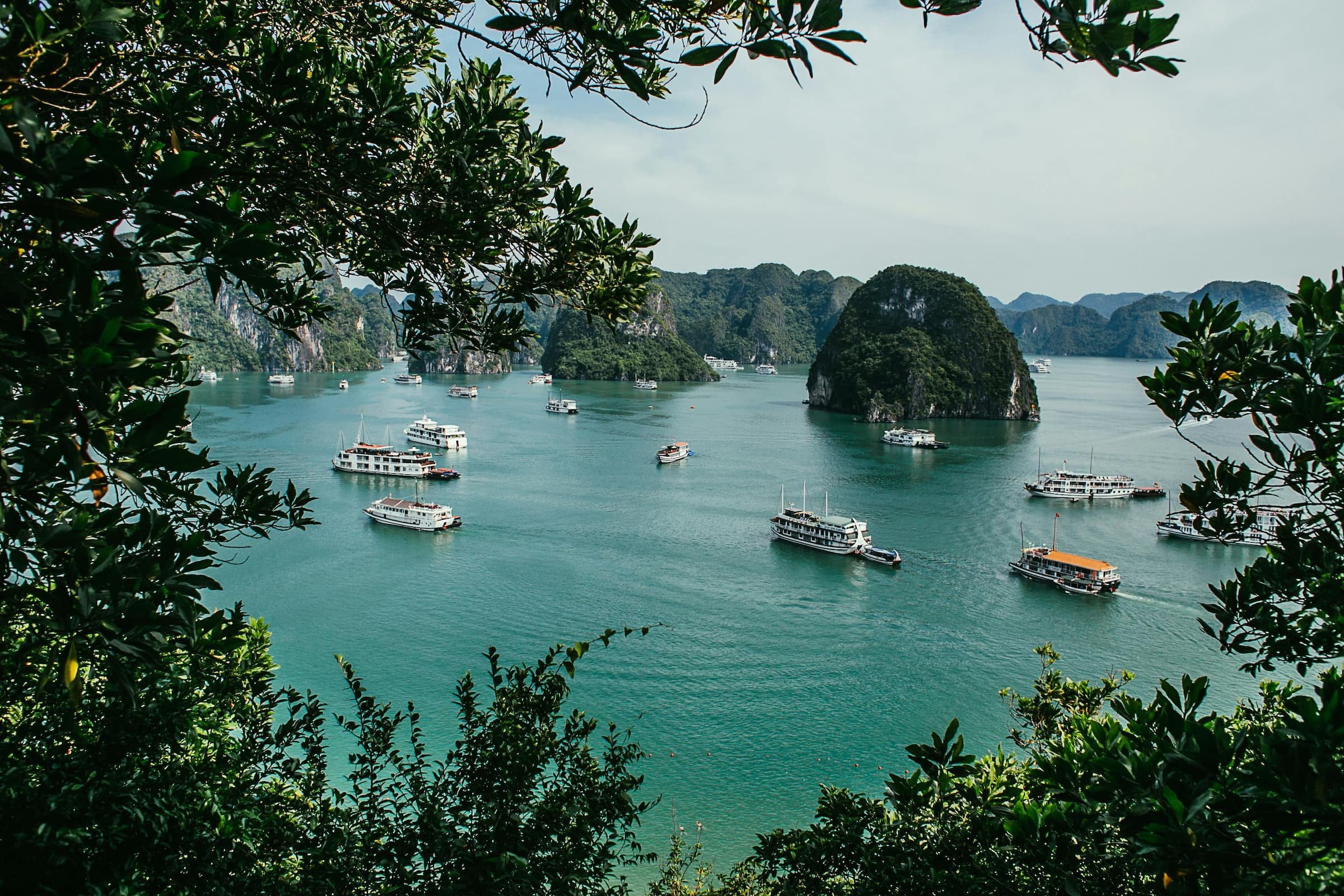
The perfect viewpoint.
Experience the Ha Giang Loop in Northern Vietnam.
The Ha Giang Loop is one of those experiences people talk about long after leaving Vietnam.
I still do now!
Located in the far north of the country, close to the Chinese border, this multi-day mountain route takes you through some of the most dramatic scenery Vietnam has to offer.
Expect steep mountain passes, deep valleys, winding roads, and small villages scattered across the landscape.
What makes the Ha Giang Loop so special isn’t just the views, it’s how remote it feels.
Once we left the cities behind, the traffic thinned right out, the air got cooler, and the scenery became the main event. Every day we spent touring the loop felt different, with new viewpoints, sharp bends, and long stretches of open road.
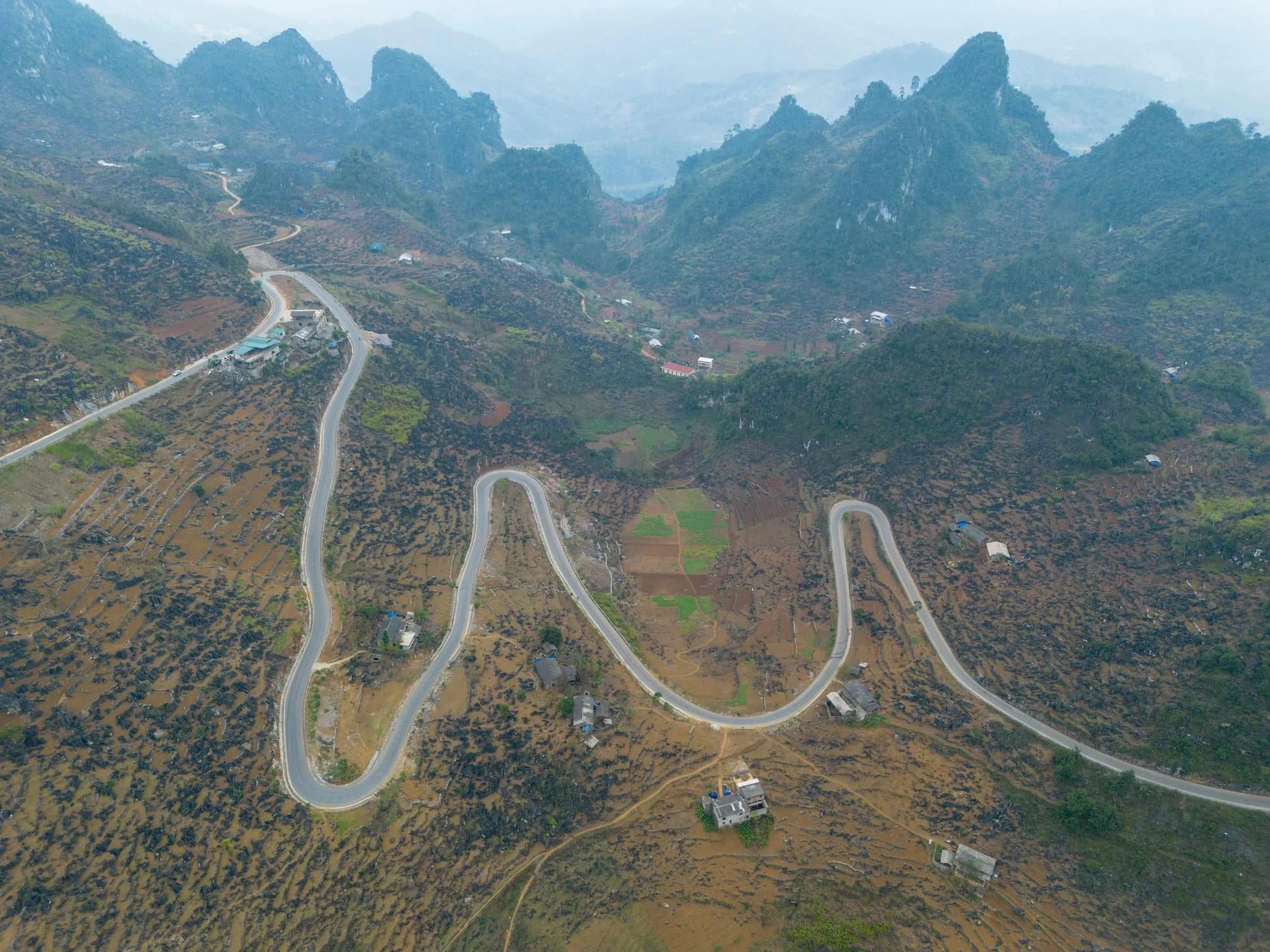
The iconic road.
It’s most famous as a motorbike journey, but you don’t need to ride it yourself to experience it.
Many first-time visitors choose an easy-rider tour, where a local driver takes care of the riding while you focus on the views, photos, and stops along the way.
For first-timers, the Ha Giang Loop offers something completely different from Vietnam’s cities and coastal areas.
It completely switched the vibes on my three month South East Asia trip, which was very much needed at that moment!
I recommend at least a ten day Vietnam itinerary to be able to enjoy the Ha Giang Loop, and if you aim for two weeks, you can comfortably enjoy Hanoi, Da Nang, and Hoi an also.
Best time to go: March–May or September–November for clear views and comfortable temperatures.
Time needed: 3–5 days.
What to expect: Mountain passes, winding roads, rural villages, and constant viewpoints.
Best moment for photos: High passes like Ma Pi Leng, especially in the morning.
🏍️ Best Way to Experience the Ha Giang Loop.
If it’s your first time visiting northern Vietnam, joining a guided Ha Giang Loop tour is the easiest and safest option. These tours handle accommodation, meals, and route planning, and easy-rider options mean you don’t need motorbike experience to enjoy the journey
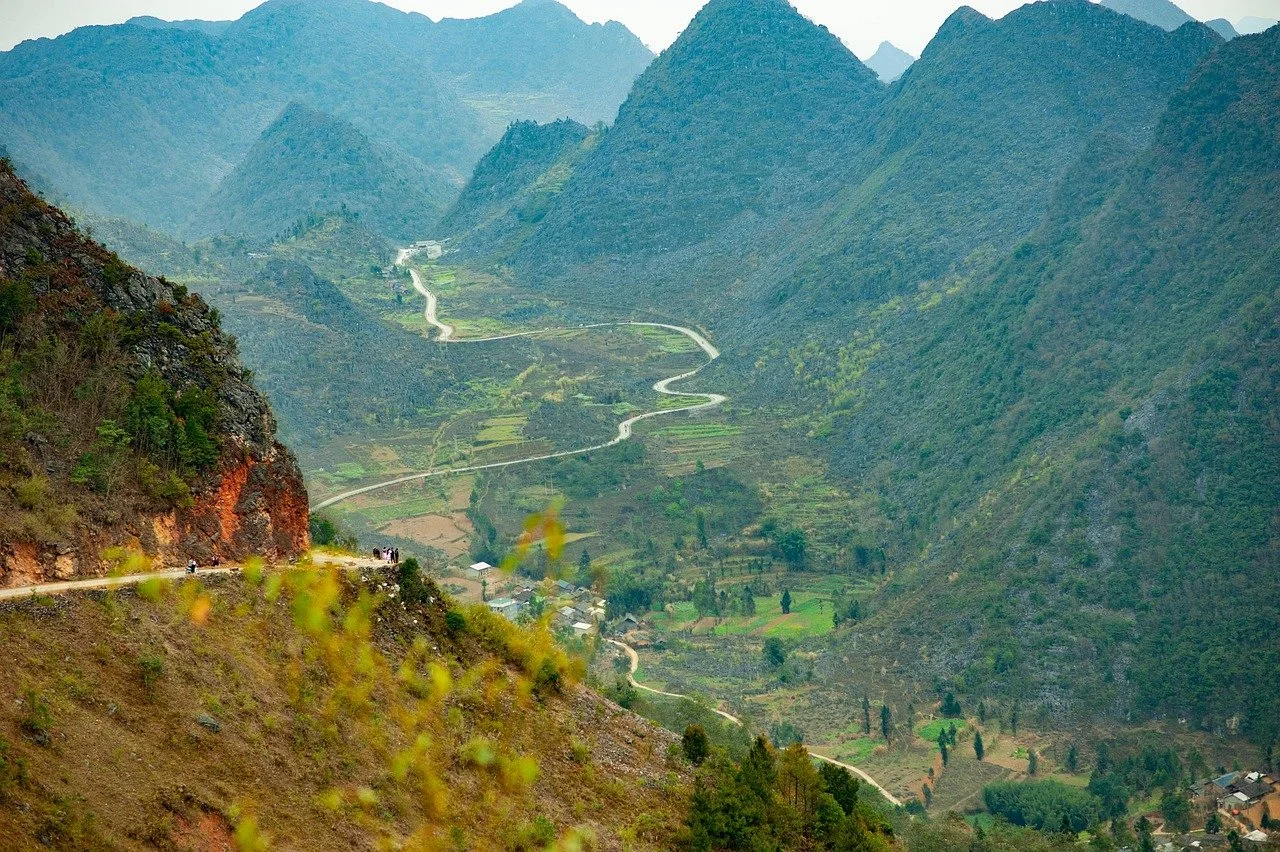
Stunning views for days.
See Hoi An Glow with Lanterns at Night.
Hoi An is one of the best places in Vietnam, and the town feels completely different once the sun goes down.
During the day it’s busy and bright, but at night the town slows right down.
Lanterns line the streets, light up shopfronts, and reflect softly on the river, creating an atmosphere that feels pretty calm.
What I like most about Hoi An in the evening is how walkable it becomes.
No traffic, the Old Town is filled with people strolling with smiles on their faces, and it’s easy to explore without a specific route or plan.
I kept stumbling across hidden gems, and unique experiences.
If you’re still deciding whether Hoi An deserves a place on your route, this is usually the moment it clicks
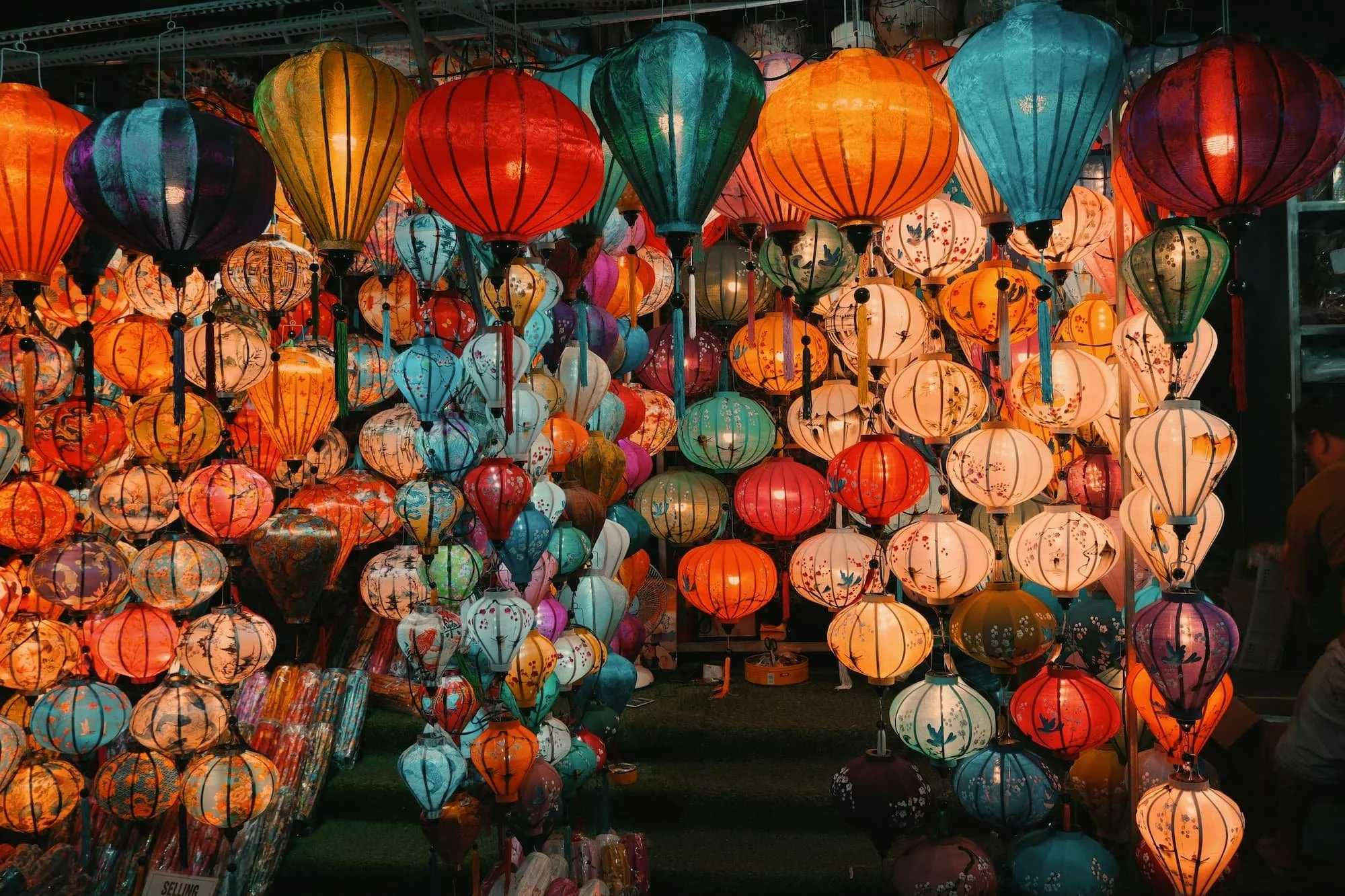
Lanterns in Hoi An.
It’s also one of the easiest places in Vietnam to enjoy at a relaxed pace.
An evening wander fits perfectly into a shorter stay, especially if you’re following a simple three-day plan and don’t want to rush between sights.
Hoi An often gets compared to nearby Da Nang, but at night the difference is obvious. The lantern-lit streets feel more intimate and atmospheric, while Da Nang leans more towards beaches and city life.
For first-time visitors, choosing the right base nearby makes a big difference.
Staying close to the Old Town means you can pop out after dark, wander for an hour or two, and head back without worrying about transport.
Best time to go: Just after sunset, once the lanterns are fully lit.
Time needed: 2–3 hours in the evening.
What to expect: Lantern-lit streets, riverside walks, cafés, and a relaxed pace.
Best moment for photos: Along the river once it’s fully dark and the lanterns reflect on the water.
👉 If you want a bit of background as you explore, this is also a great area to join one of Hoi An’s evening walking tours.
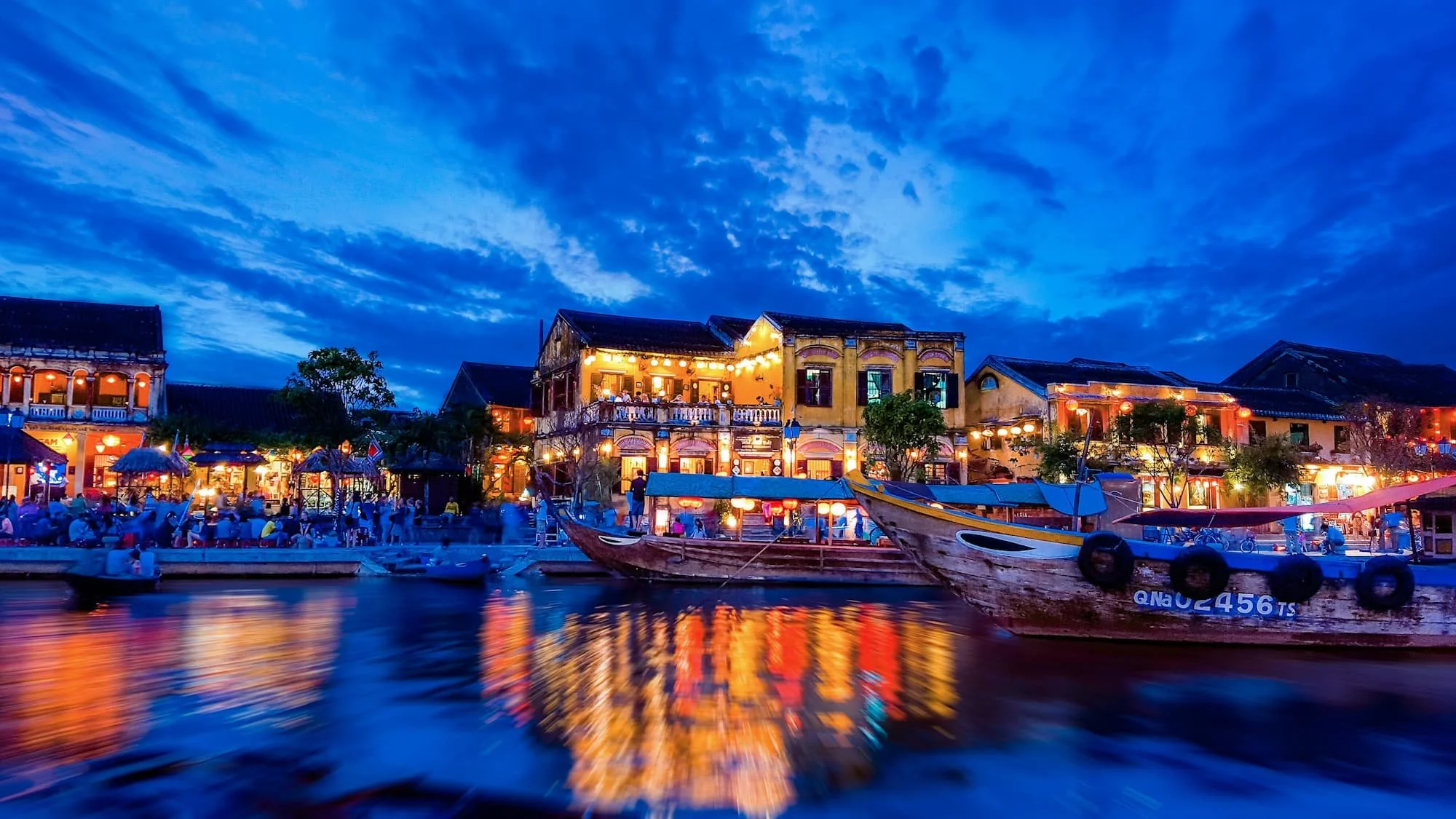
Hoi An is beautiful at night.
Visit Ba Na Hills & Walk the Golden Bridge.
Ba Na Hills is one of those places that looks slightly unreal in photos, yet it still manages to surprise you in person.
Set high in the mountains outside Da Nang, it’s best known for the Golden Bridge, a curved walkway held up by two giant stone hands. It’s one of Vietnam’s most recognisable landmarks, and for good reason.
Getting there is part of the experience as well.
The cable car ride climbs above dense forest, the temperature drops, and the views open up. Even on cloudy days, the mist adds atmosphere rather than taking anything away.
Because it’s so easy to reach from the coast, Ba Na Hills often features on some of the best day trips in Vietnam, especially for travellers based in central Vietnam.
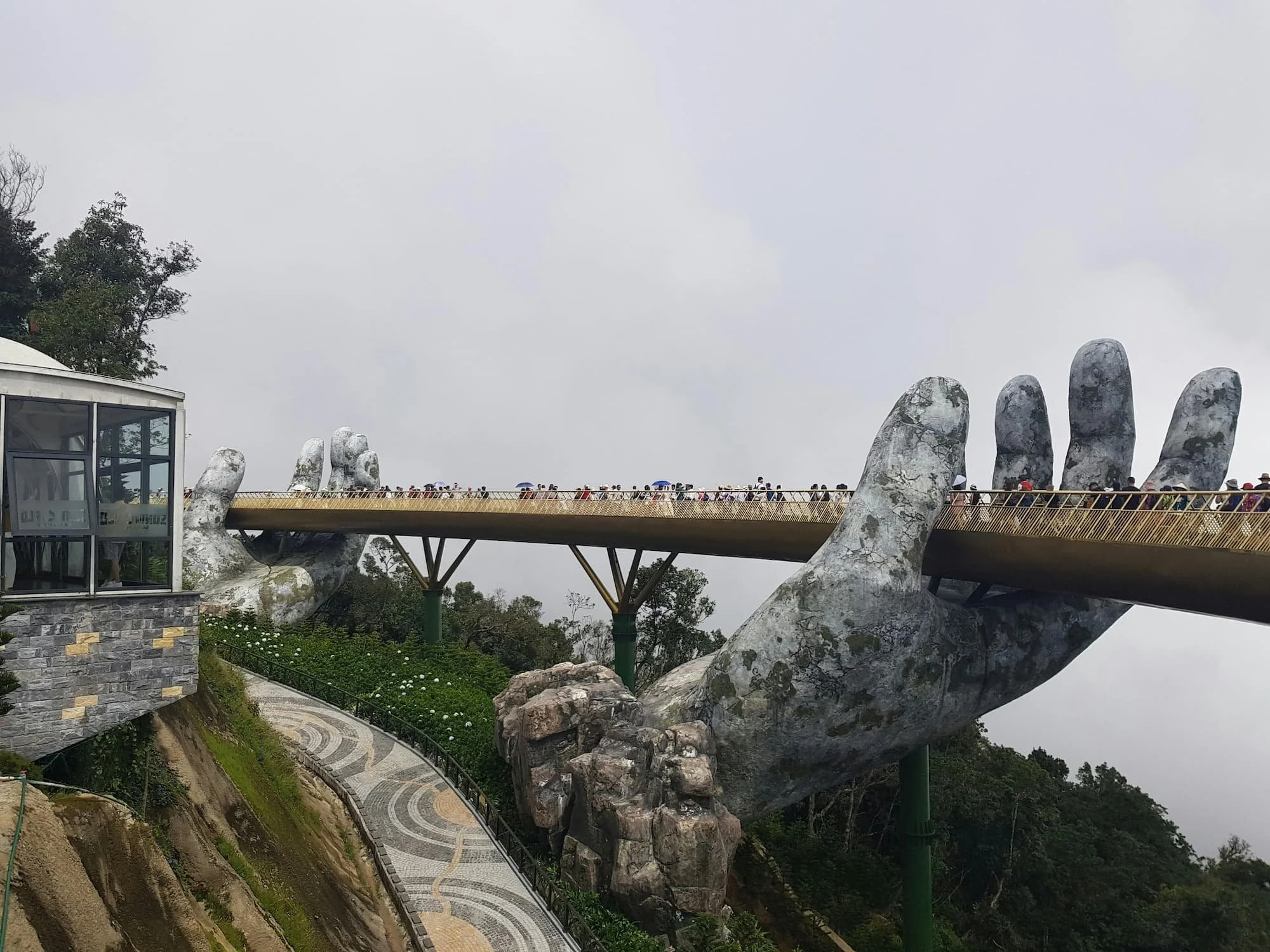
The iconic bridge.
Once at the top, the contrast was obvious straight away.
The air was much cooler, the pace slowed, and everything felt far removed from the busy coastal cities below. It’s a nice change from lantern-lit Hoi An or beach days in Da Nang.
If you’re planning around weather, timing matters here. Choosing the best time of year to visit Da Nang can make a real difference to visibility, particularly at higher elevations.
Ba Na Hills also fits neatly into a short Da Nang itinerary, and works well for travellers deciding how to split their time between Hoi An and Da Nang without changing hotels.
Best time to go: Early morning to avoid crowds and catch clearer views.
Time needed: Half to full day.
What to expect: Mountain views, cooler temperatures, and one of Vietnam’s most famous landmarks.
Best moment for photos: On the Golden Bridge when cloud or mist rolls through the valley.
🚡 Best Way to Visit Ba Na Hills.
The easiest way to visit is by joining a top-rated Ba Na Hills day tour, which includes transport, cable car tickets, and enough time to explore without feeling rushed.
👉 View the number one rated Ba Na Hills & Golden Bridge tour here.
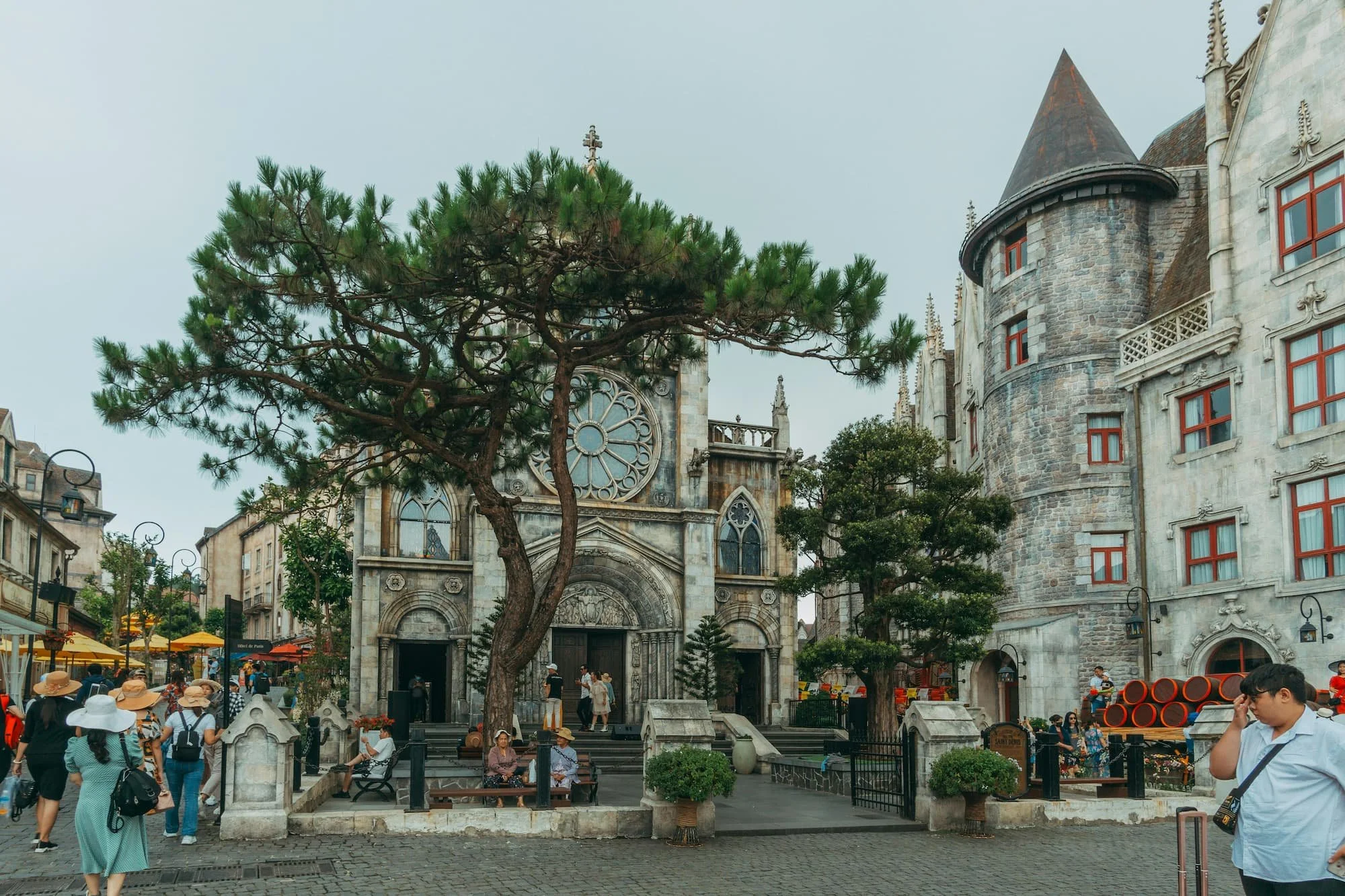
A fun area to explore.
Relax on Vietnam’s Central Coast Beaches.
Vietnam’s central coastline is where the pace of my trips always start to balance out.
My Khe Beach, just outside Da Nang, is one of my favourite places to spend time by the sea.
What I like most about it is how active it feels. There’s a long promenade that’s perfect for walks or runs, surfers heading into the water, and locals doing everything from group exercise classes to calisthenics and stretching as the sun comes up.
Due to how active the area is, along with sun, sand and sea, there just seems to be a constant positive vibe flowing around My Khe Beach.
With palm trees lining the shore and modern buildings rising behind the beach, parts of My Khe actually reminded me a bit of Miami, just with fewer crowds and a much more relaxed feel.
If you’re planning to stay nearby, this area makes a lot of sense when deciding where to base yourself in Da Nang.
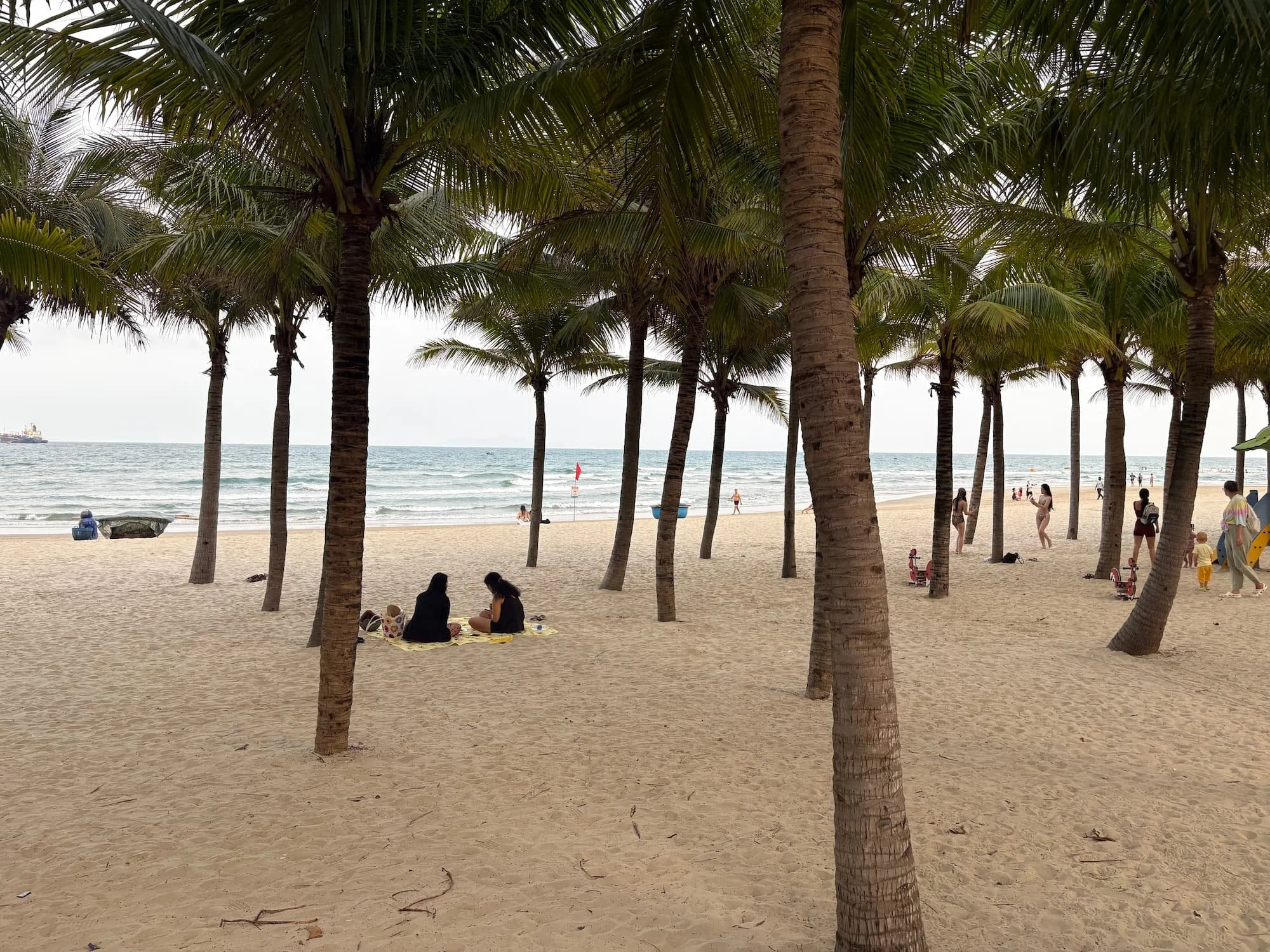
My Khe Beach in Da Nang.
An Bang Beach, near Hoi An, has a completely different atmosphere.
After spending time wandering the Ancient Town in the heat, An Bang feels like the perfect escape.
It’s calmer, less built-up, and ideal for cooling off with a swim or sitting in the shade at a beach café for a few hours.
For first-time visitors, this contrast works really well. You get the energy and activity of Da Nang’s coastline alongside slower, more laid-back beach time near Hoi An.
March was the best time for Vietnam and Cambodia in my last trip, as I combined both during my longer South East Asia adventure.
Best time to go: Early morning or late afternoon for cooler temperatures.
Time needed: Half day to full beach day.
Best beaches: My Khe Beach (Da Nang), An Bang Beach (Hoi An), and Non Nuoc Beach (quieter, near Marble Mountains).
Best moment for photos: Early morning light with calm seas and fewer people.
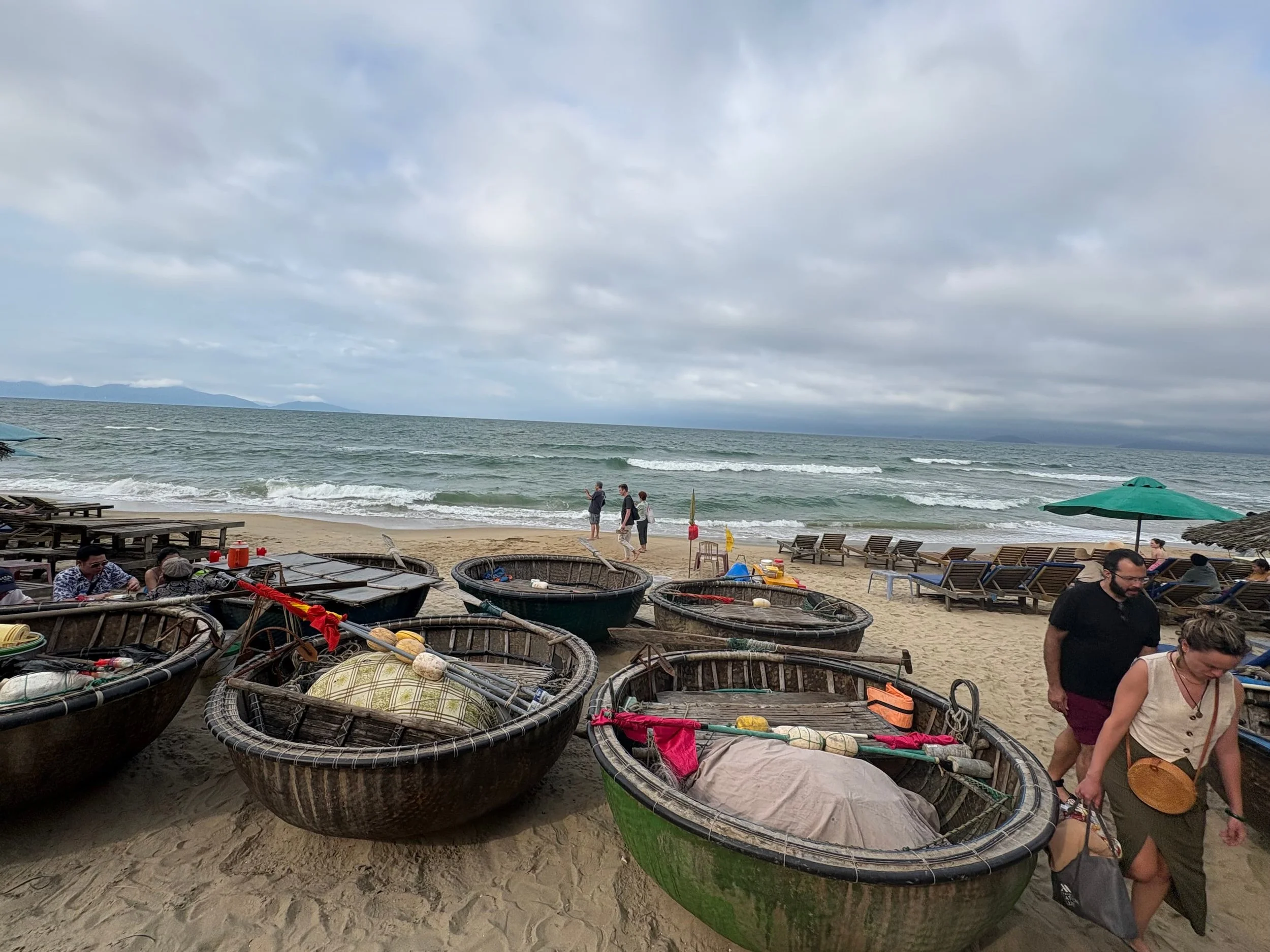
An Bang Beach near Hoi An.
Ride the Scenic Coastal Train.
Travelling by train in Vietnam isn’t just about getting from A to B, on the right route, it becomes part of the experience.
Vietnam’s railway hugs the coastline in places, passes through small towns, rice fields, and fishing villages, and cuts across mountain passes you’d never see from the road.
It’s slower than flying, but that’s exactly the point.
The most famous stretch is the route between Da Nang and Hue.
This section crosses the Hai Van Pass, where the tracks run right along the coast with the sea on one side and jungle-covered mountains on the other. On a clear day, the views are genuinely impressive, and even in cloudier weather it still feels dramatic.
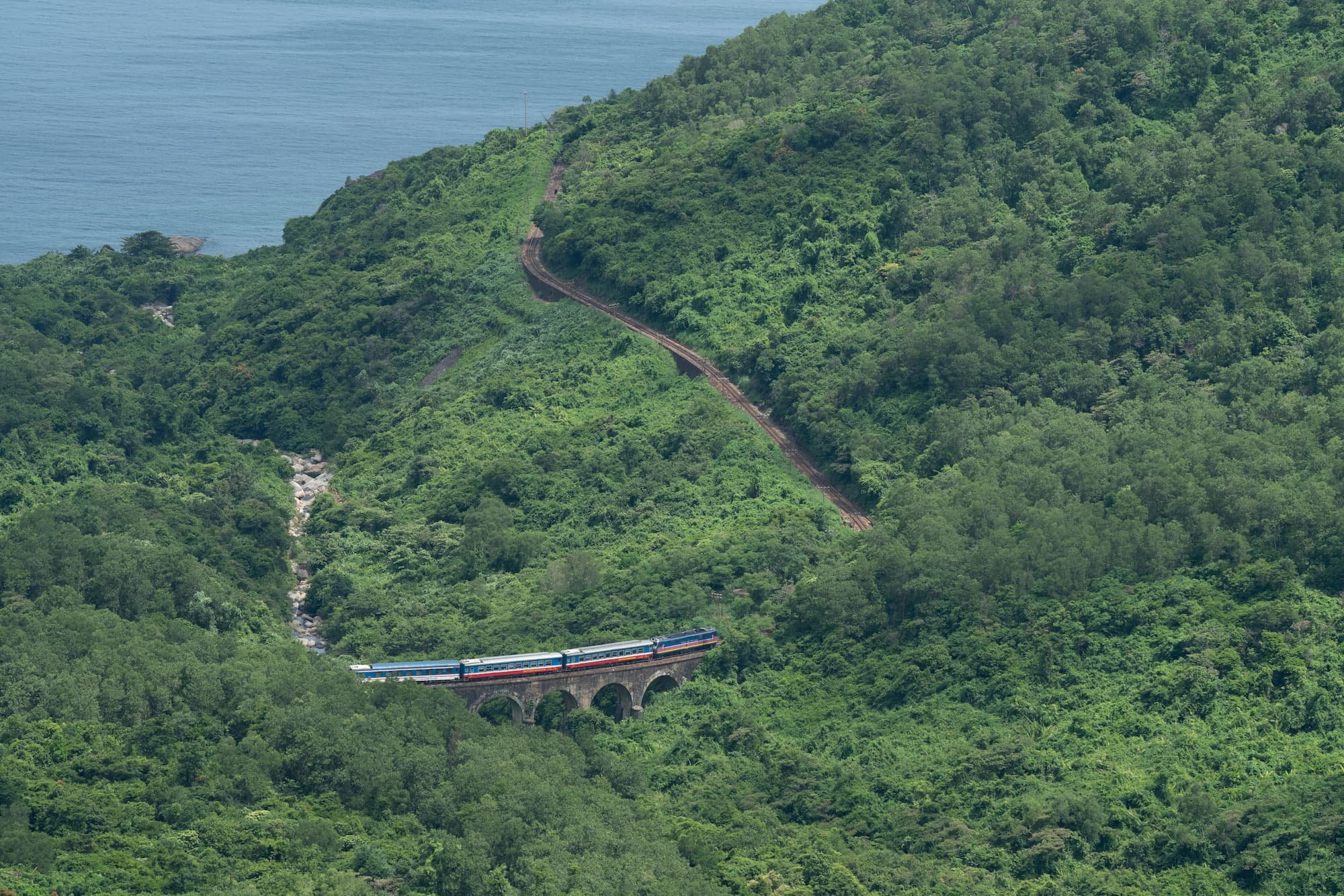
An iconic route.
Another popular option is travelling between Hanoi and central Vietnam.
While it’s a longer journey, waking up to countryside views or watching rural life pass by from your seat gives you a unique travel moment.
What I like about the train is how relaxed it feels.
There’s space to move around, food vendors pass through the carriages, and you’re not rushed. For first-time visitors, it’s one of the easiest ways to see more of Vietnam without adding too much stress to your itinerary.
Best routes: Da Nang to Hue (Hai Van Pass), Hanoi to Da Nang for long-distance scenery.
Time needed: 2–3 hours (Da Nang–Hue) or overnight for longer routes.
Why it’s famous: Coastal views, mountain passes, and everyday Vietnamese life along the tracks.
Booking tip: For the easiest seat selection and schedules, 12GO is the best place to book Vietnam train tickets in advance.
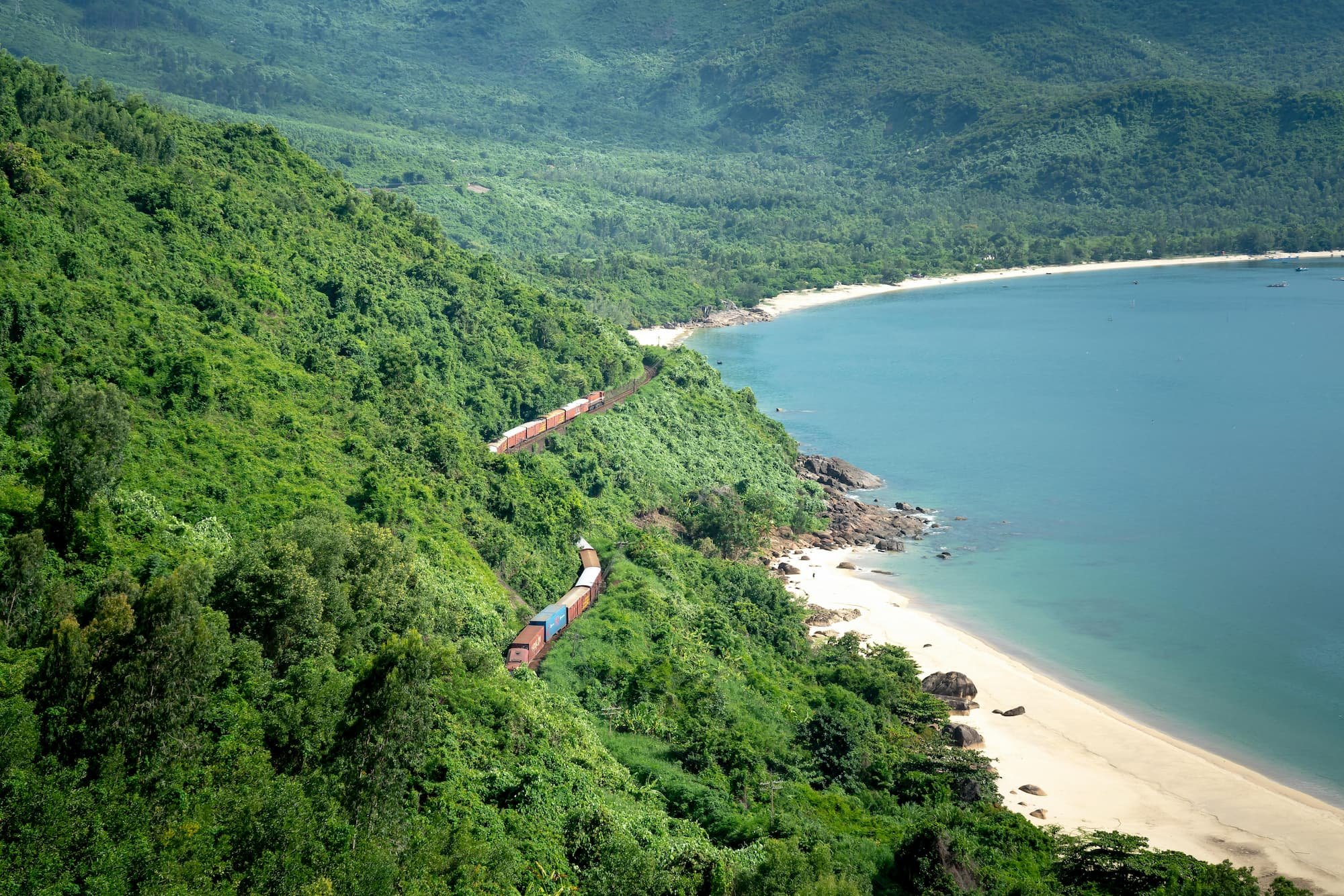
Such an epic adventure.
Walk Through Hoi An’s Ancient Architecture.
Hoi An’s architecture is one of the main reasons the town feels so different from anywhere else in Vietnam.
Unlike the bigger cities, much of Hoi An has been carefully preserved. During my last visit I kept finding relics on every corner. It is like stepping into a time machine.
The Old Town is full of yellow-painted buildings, wooden shutters, old merchant houses, and small temples that reflect centuries of trading history. Chinese, Japanese, and European influences all sit side by side.
I found that this gives the town a layered, lived-in feel rather than a polished museum look.
One of the most recognisable landmarks, and my favourite is the Japanese Covered Bridge.
It’s small, easy to miss if you’re rushing, but worth slowing down for. Built in the 16th century, it’s a reminder of how important Hoi An once was as a trading port, and it still feels like a natural part of the town rather than a standalone attraction.
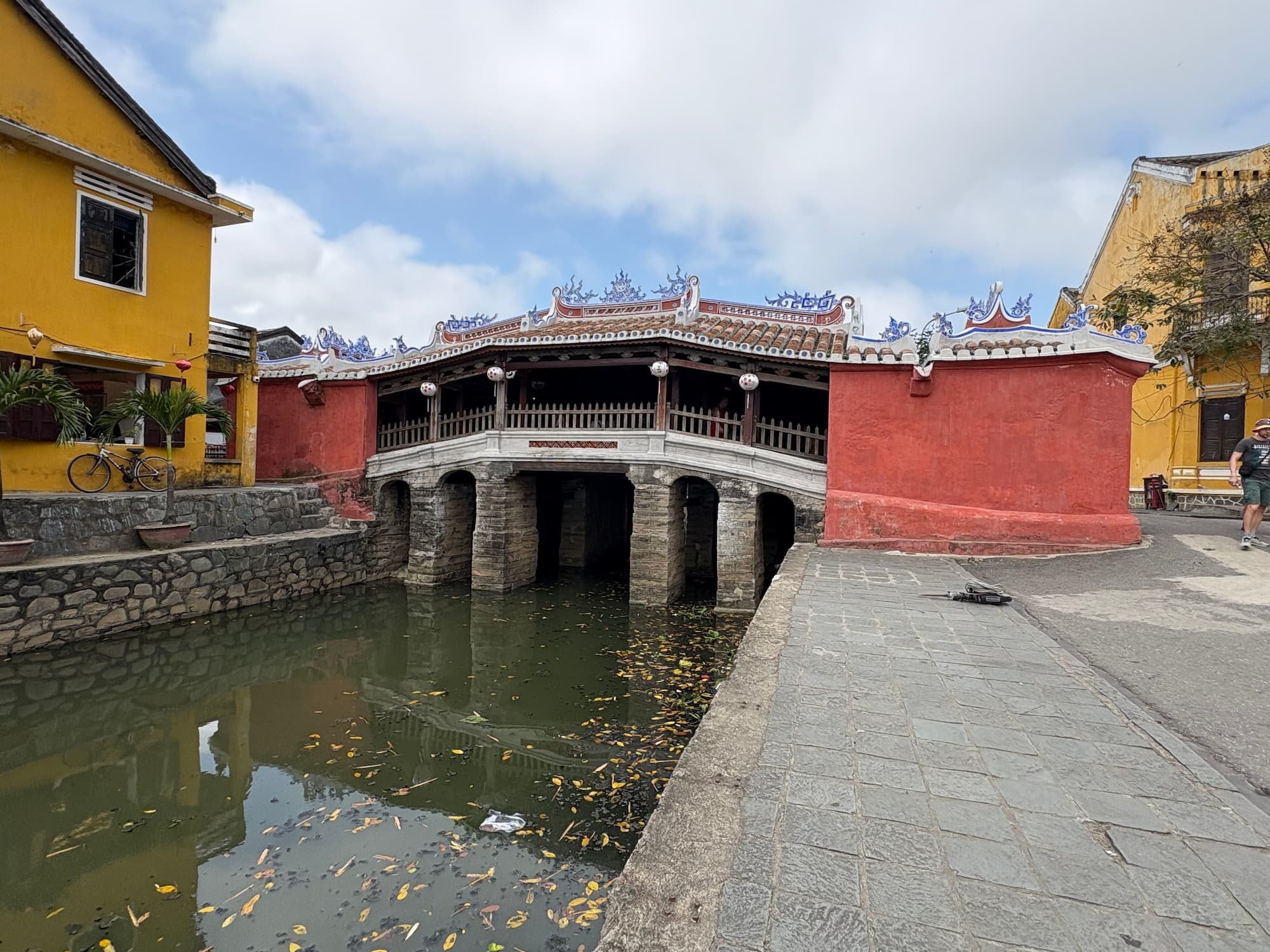
Japanese Covered Bridge.
What makes exploring Hoi An so enjoyable is how simple it is.
Most of the historic buildings, museums, and assembly halls are included in the Hoi An Ancient Town ticket, which gives you access to several sites without needing to pay individually.
It also encourages you to wander, pop into places that catch your eye, and take your time.
Everything is close together, flat, and easy to walk. You don’t need transport, a strict plan, or even a map, just a bit of time. For first-time visitors, it’s one of the easiest places in Vietnam to explore at your own pace.
Best time to go: Morning or late afternoon to avoid peak crowds.
Time needed: 2–3 hours of relaxed walking.
What to expect: Preserved historic buildings, temples, museums, and quiet backstreets.
Good to know: If you want context on the buildings and history as you explore, a guided Hoi An Old Town walking tour is a great way to see the highlights without rushing.
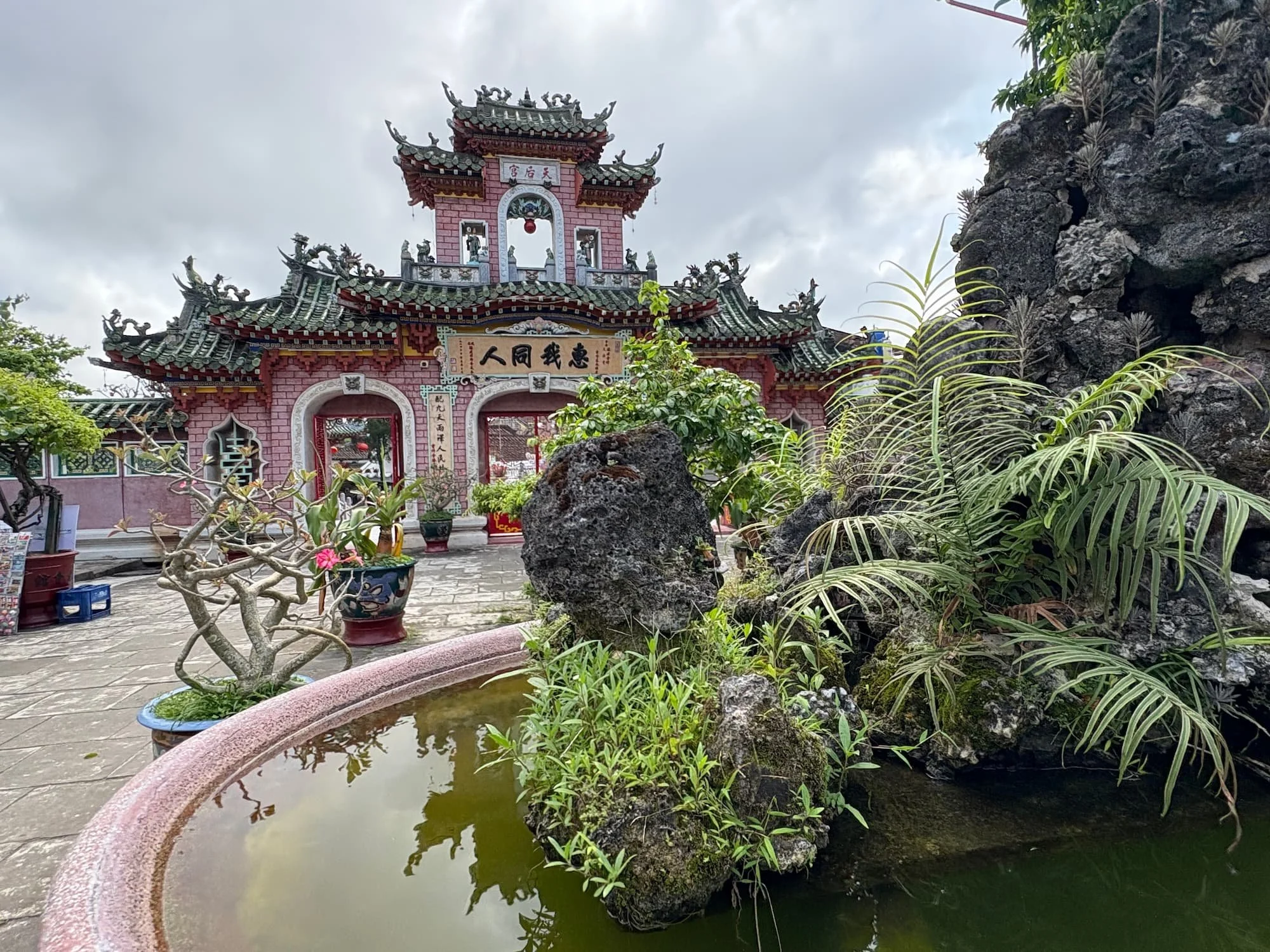
A very interesting pagoda.
Experience Ho Chi Minh City’s Non-Stop Energy.
Ho Chi Minh City hits differently from the moment you arrive.
It’s louder, faster, and more intense than anywhere else in Vietnam, especially at night.
Streets glow with neon lights, traffic never really stops, and the sound of scooters fills the air from morning until late.
Bui Vien Street is where that energy is most obvious. Loud music spills out of bars, bright signs compete for attention, and the street feels 100mph.
I could only handle a short period of time on this street, but it does give you a raw snapshot of the city’s nightlife, and why it has such a reputation.
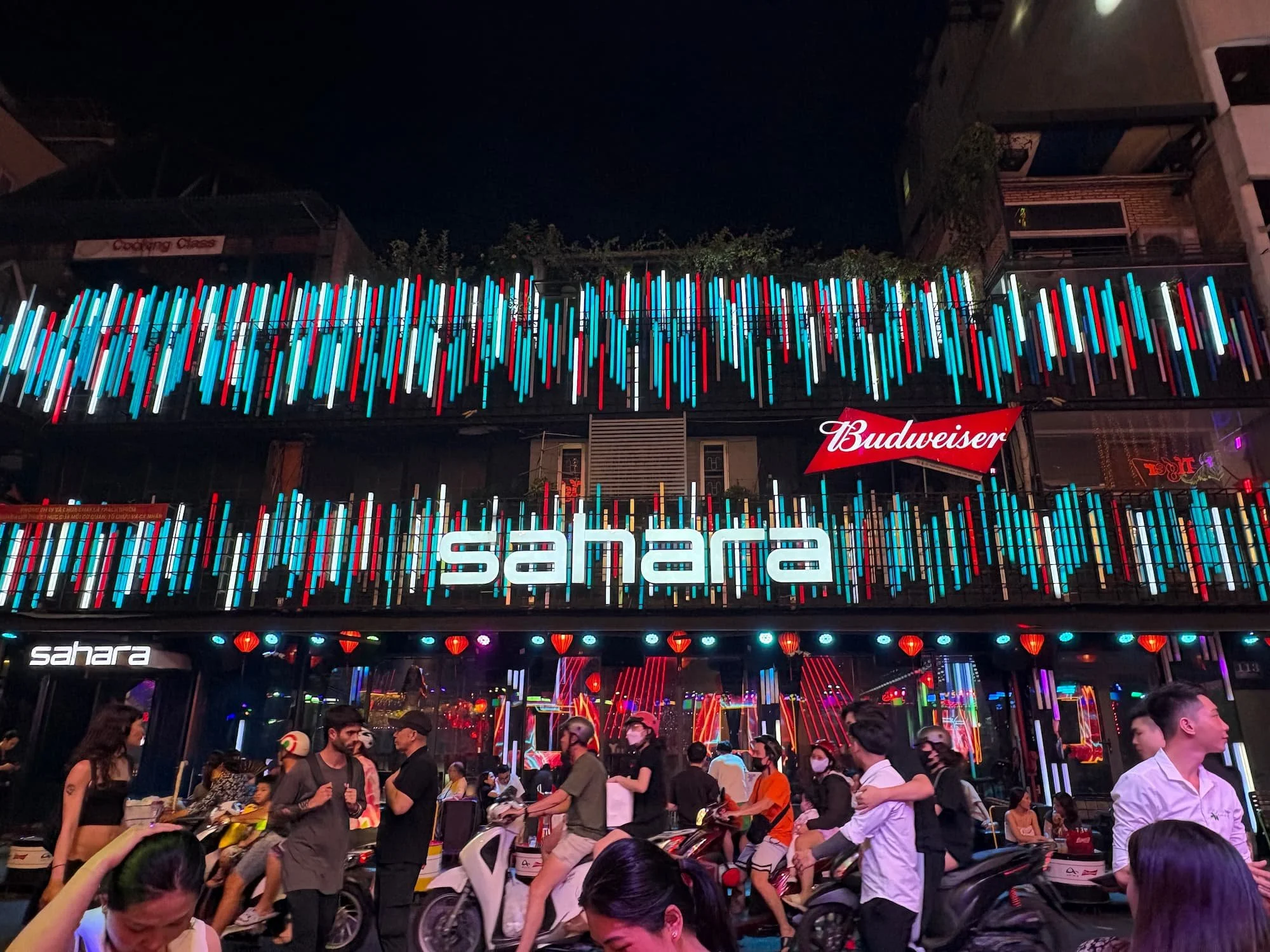
Bui Vien Street is full busy loud bars.
At the other end of the spectrum is the night skyline.
Rooftop bars give you a calmer view of the city, with skyscrapers lighting up the river and traffic flowing far below.
Taking in these views was the perfect way for me to take in just how big Ho Chi Minh City really is.
If you’ve already spent time in the north, the contrast is clear.
Compared to Hanoi, Ho Chi Minh City feels more modern and fast-paced, which really stands out when deciding which city suits you better.
Even with limited time, it’s easy to cover the main highlights by following a simple one-day Ho Chi Minh City itinerary, without feeling rushed.
Best time to go: Evening through late night for atmosphere.
Time needed: 1–2 days.
What to expect: Neon lights, constant movement, rooftop views, and busy streets.
Best moment for photos: From a rooftop bar after dark, or at street level when the lights come on.
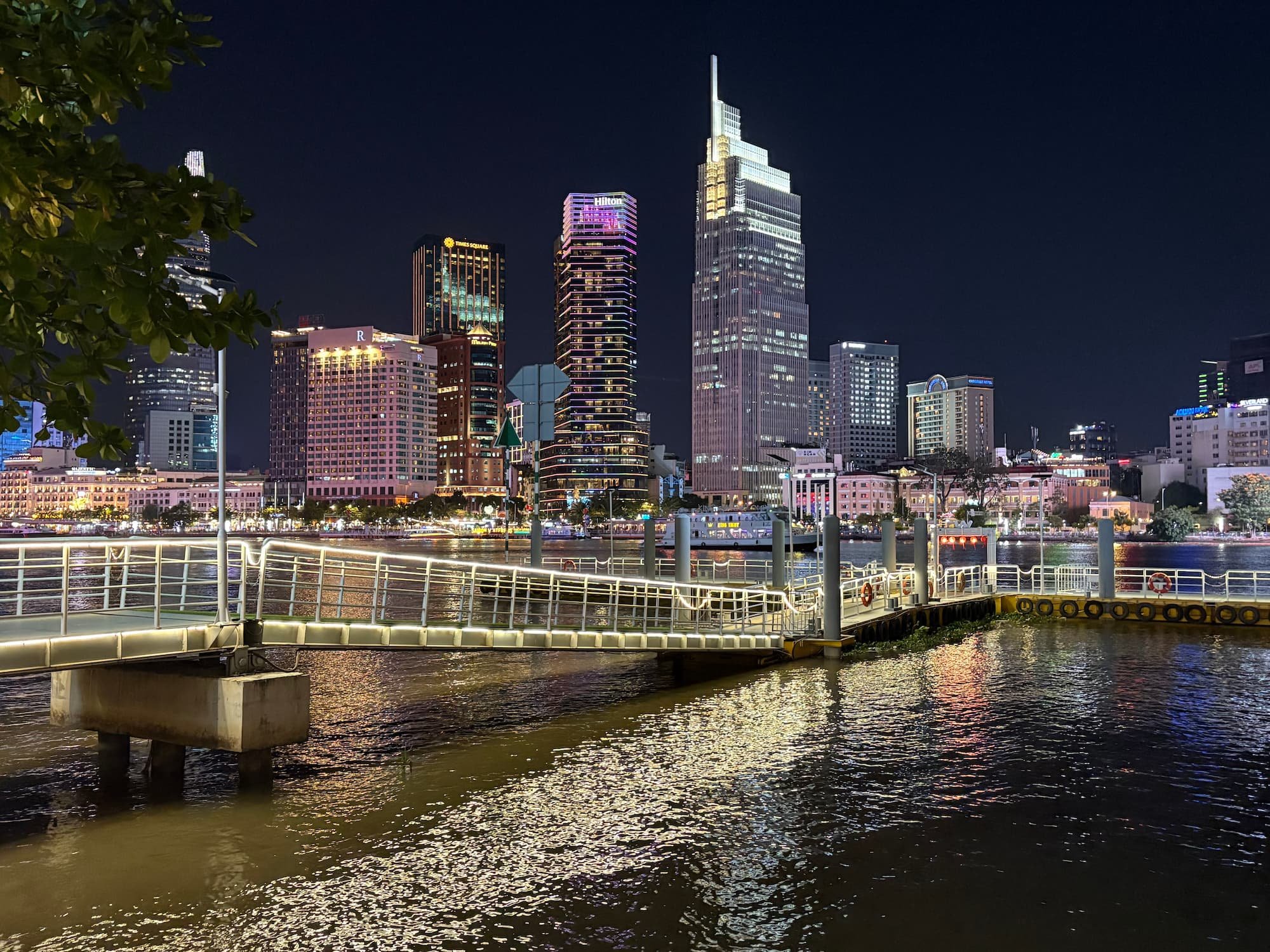
A beautiful sight in the evening.
Step Back in Time at Vietnam’s War Sites.
This one has to be on the list…
It isn’t the fun and Instagram locations of the other experiences, but Vietnam’s recent history is very important, so experiencing it first hand is an essential part of any trip.
One of the most powerful places to do that is at the Cu Chi Tunnels, just outside Ho Chi Minh City.
On the surface, it looks like ordinary countryside, but beneath your feet lies a vast underground network used during the Vietnam War.
Walking through the tunnels is a very different experience to simply learning about them.
I couldn’t believe how narrow, dark, and deliberately cramped they are. It is so hard to get my head around the circumstances which the soldiers lived through just decades ago.
It’s one thing to hear about it, but actually crawling through the space makes the history feel very real.
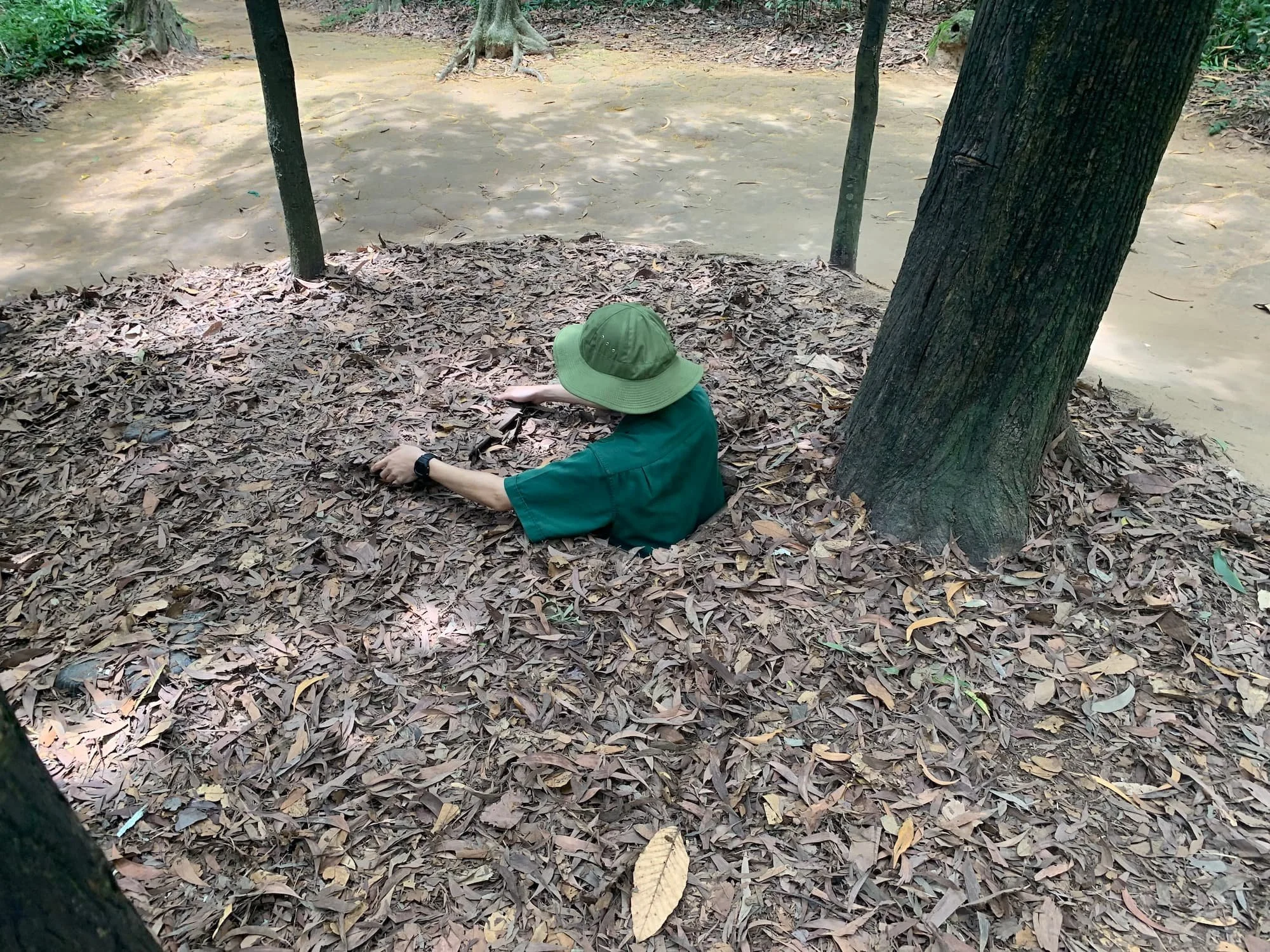
The Ci Chu Tunnels Tour is an eye opener.
Further north, Hanoi’s Hoa Lo Prison offers a different but equally sobering experience.
The prison shows the harsh conditions prisoners were held in during French colonial rule and later conflicts. As with the tunnels at Cu Chi, walking through the cells and displays, it’s hard not to reflect on how recent much of this history actually is.
For first-time visitors, these sites add important context to everything else you see in Vietnam.
The food, the cities, the pace of life, it all makes more sense once you understand what the country has been through.
Best time to go: Morning, before sites get busy.
Time needed: Half day for each site.
What to expect: Cramped spaces, heavy history, and powerful firsthand insight.
Good to know: Guided tours add valuable context and help bring the history together.
🎟️ Recommended Tours.
Cu Chi Tunnels tour – The most popular way to visit, with transport from Ho Chi Minh City and guided explanations throughout.
Hoa Lo Prison history tour – A guided visit that adds depth and context to what you’re seeing inside the prison.
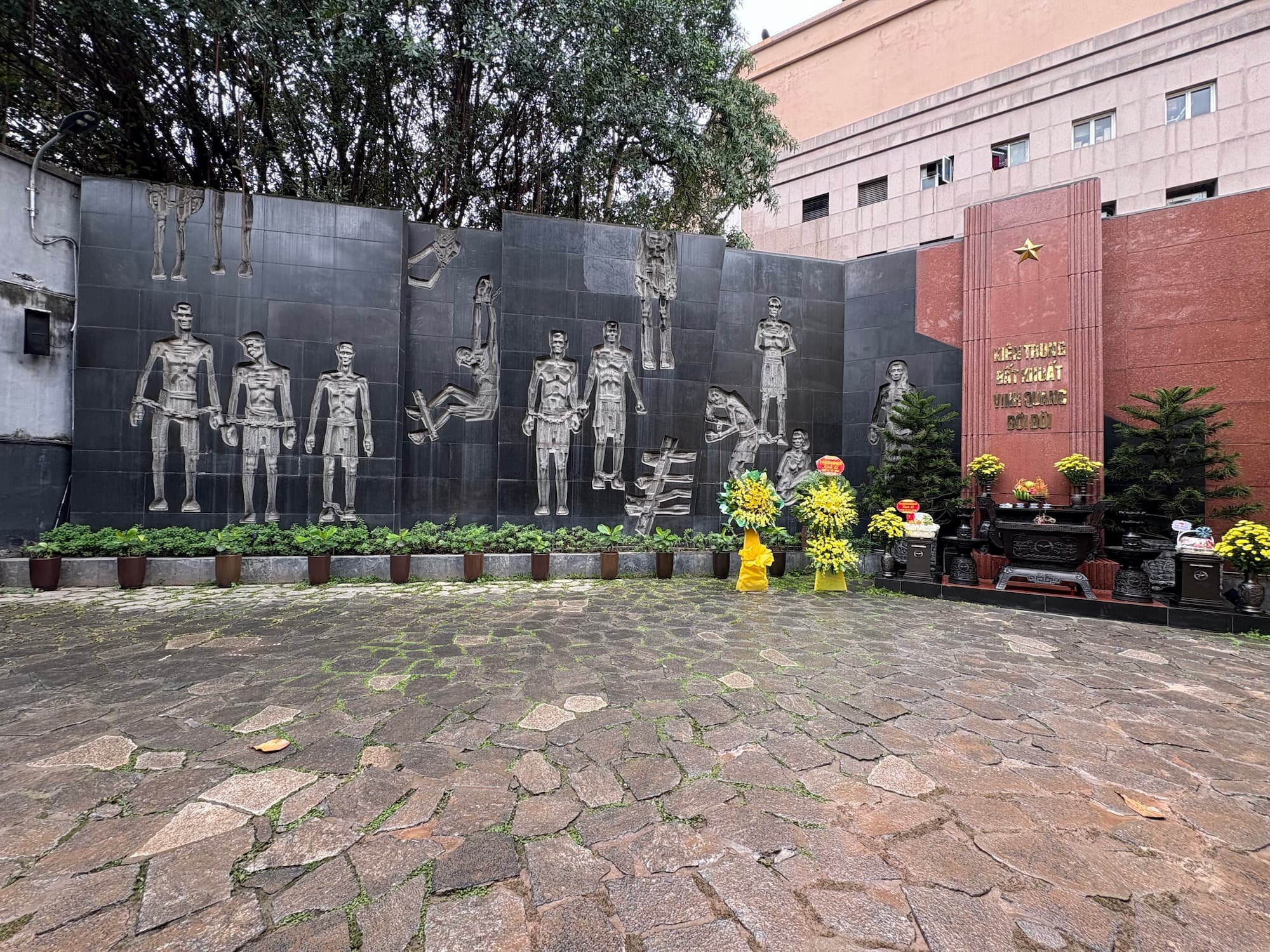
Memorial at Hoa Lo Prison in Hanoi.
Drink Vietnamese Coffee in Local Cafés.
Vietnam’s coffee culture was one of the biggest surprises of my first trip.
My introduction came in Hanoi, sitting in a small café trying egg coffee for the first time. It sounded strange on paper, but one sip was enough to understand why it’s so popular. Rich, sweet, and almost dessert-like, it felt completely unique.
The best place to try it is Cafe Giang, widely known as the birthplace of egg coffee - Simple, traditional, and very popular with locals and tourists.
Just sitting there, surrounded by locals and visitors, enjoying the decor, ambiance, and taste of the egg coffee.
Ahh, I miss them so much!
Hanoi also has some of the quirkiest cafés I’ve visited anywhere.
One standout was Note Coffee, a tiny space covered floor to ceiling in handwritten notes from travellers around the world. It can be overwhelming, but it is certainly a Vietnam experience.
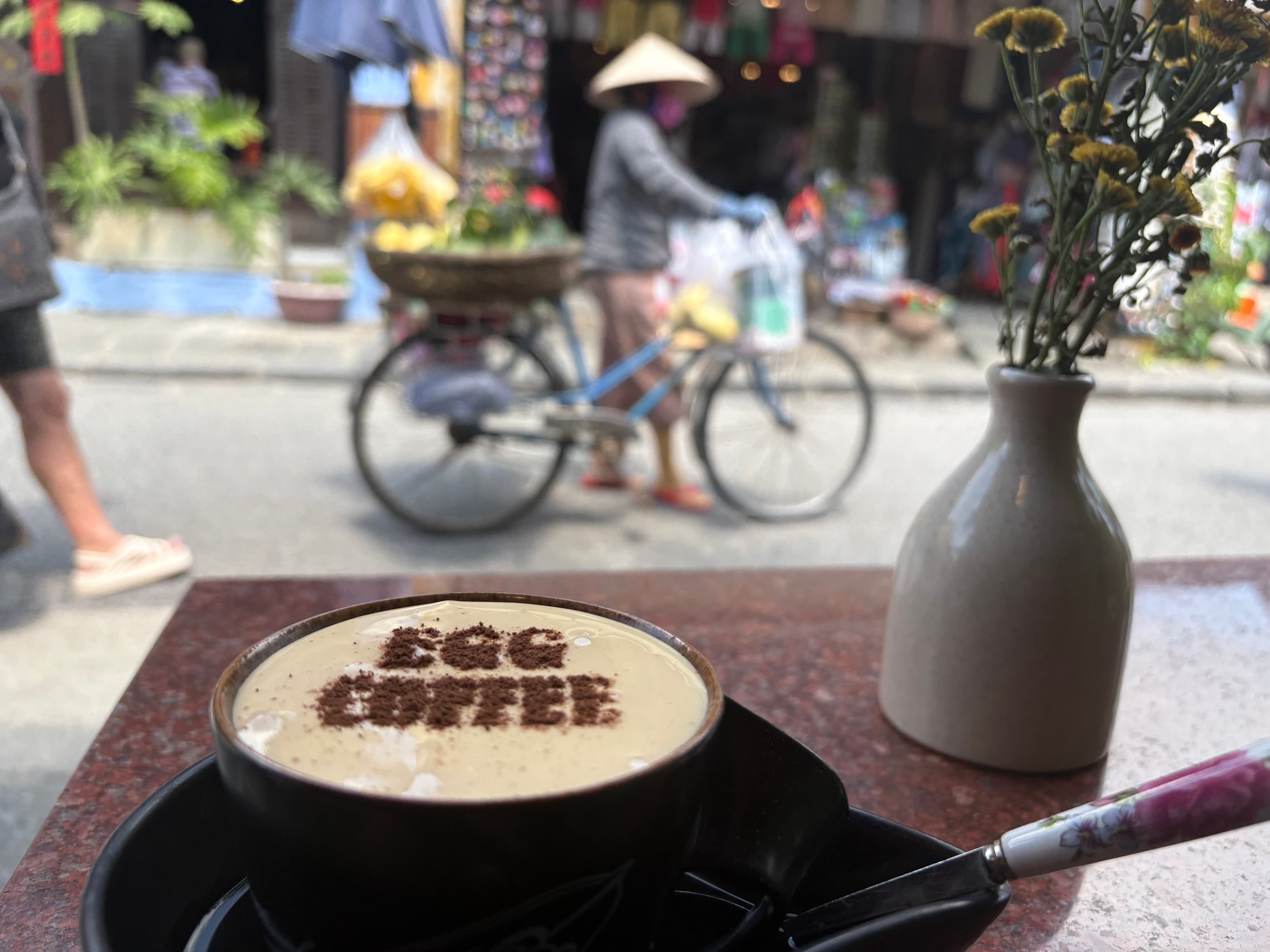
Another delightful egg coffee.
Further south, Da Nang offers a completely different café scene.
The city is full of spacious, modern cafés that are perfect for longer stays and remote working. Good coffee, strong Wi-Fi, and relaxed spaces make it easy to spend hours working or planning your next stop.
I loved my daily routine of CrossFit, beach steps, and café hopping on my longer stay in Da Nang.
Best time to go: Morning for traditional cafés, or afternoon for longer stays.
Time needed: 30 minutes to several hours.
What to expect: Strong coffee, unique styles, and relaxed local spaces.
Must-try: Egg coffee in Hanoi, especially at Cafe Giang.
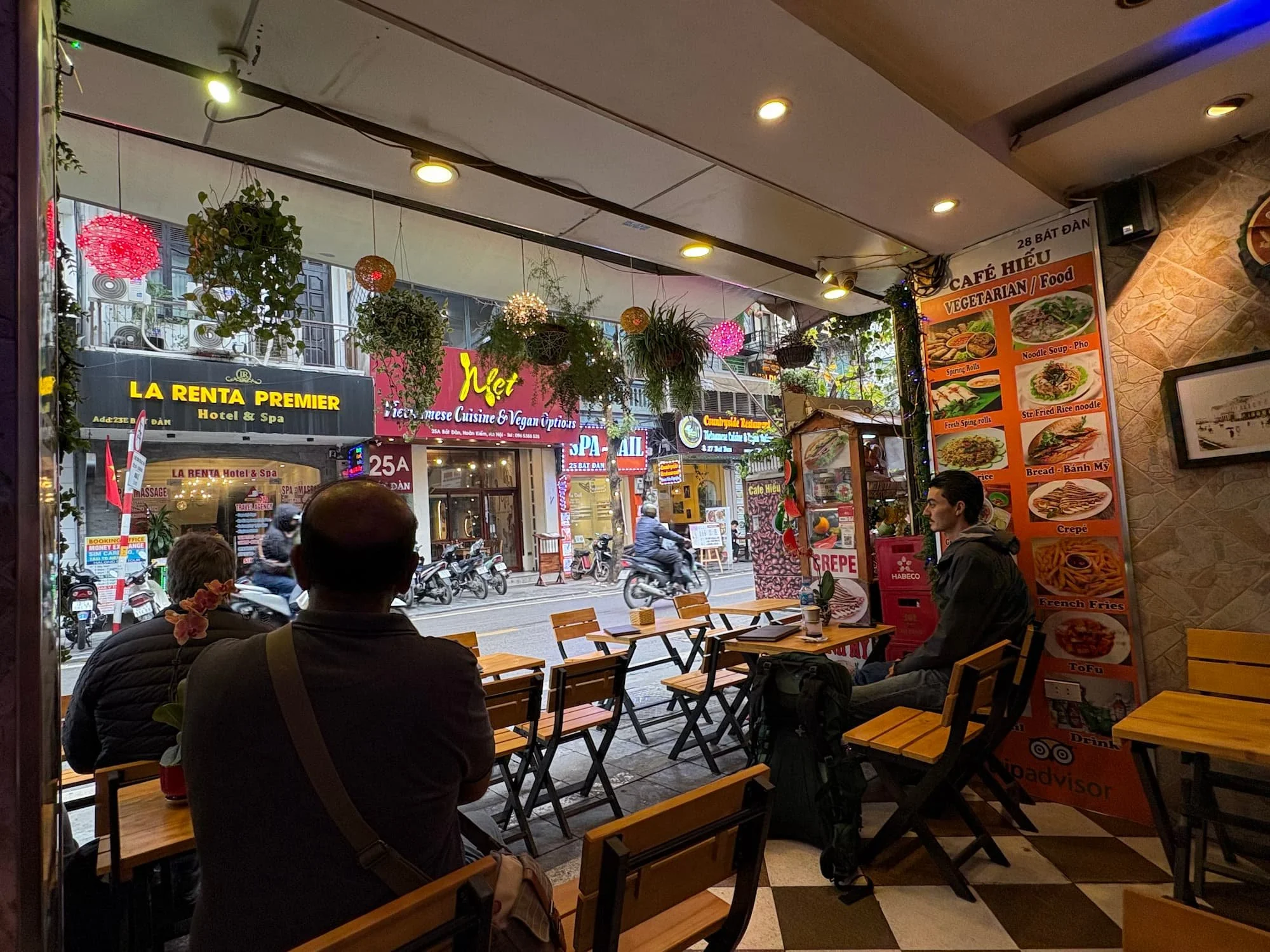
People watching with yet another egg coffee.
Walk Through the Rice Fields of Sapa.
The rice fields of Sapa are one of the most iconic landscapes in northern Vietnam, and seeing them on foot is incredible
We experienced them on a two-day trek from Sapa town into the surrounding villages and back.
After arriving from Hanoi on the overnight bus, we spent the night in town before heading straight into the mountains the next morning.
Leaving the centre behind, the route drops into the Muong Hoa Valley, winding through layered rice terraces, rivers, and small villages scattered across the hillsides.
It doesn’t take long before the picture perfect scenery completely takes over.
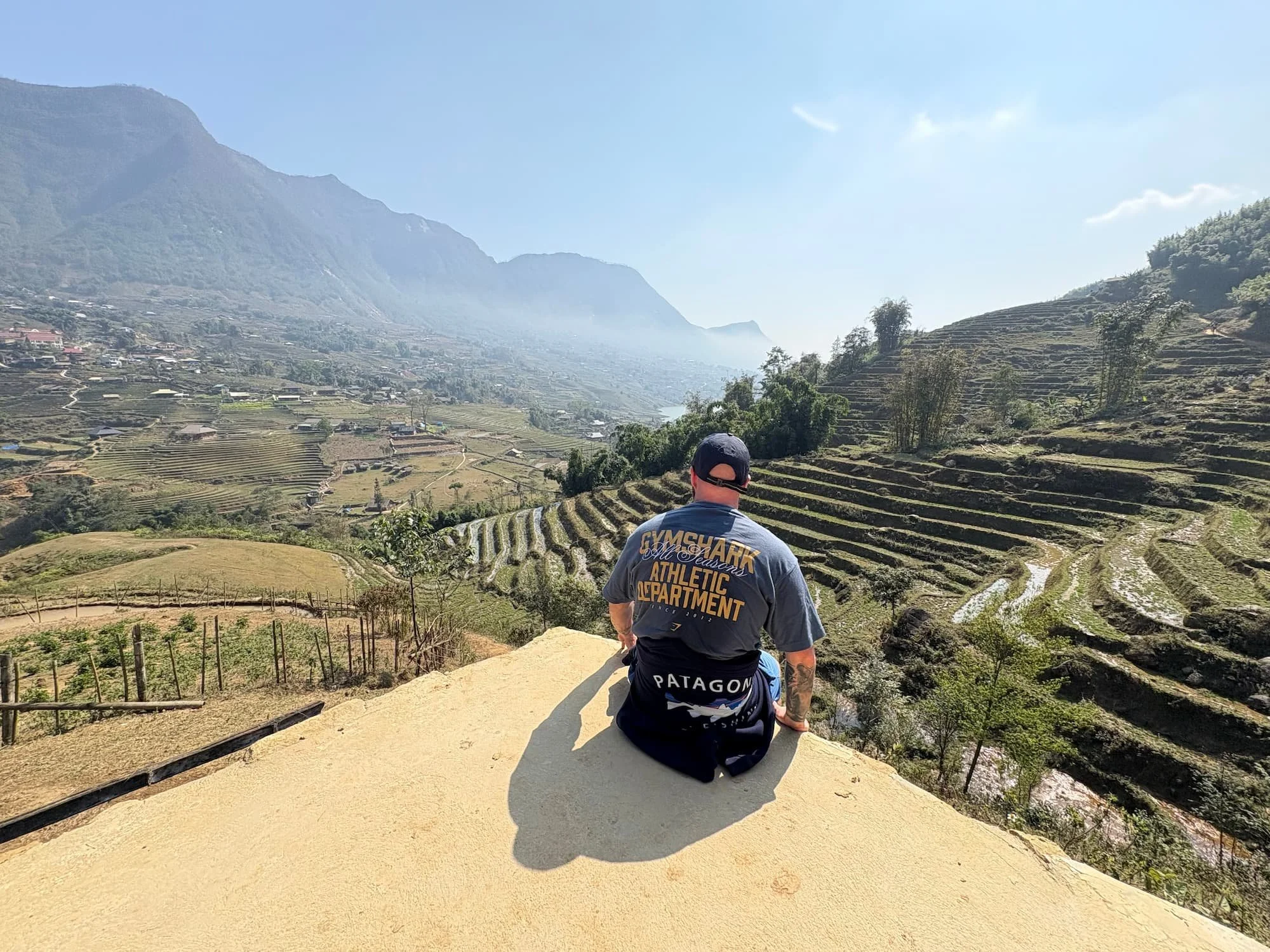
One of the highlights of all of my travels worldwide.
Our overnight stop was at Tả Van Dragon House, a family-run homestay set right beside the rice fields. Simple, welcoming, and perfectly located, it added a real sense of rural life to the trek.
Staying overnight made a big difference. Waking up to mist in the valley and continuing the walk the next morning felt far more immersive than doing the route as a day trip.
On the second day, we followed quieter trails through bamboo forest and streams before looping back to Sapa town in the afternoon.
For first-time visitors wanting both scenery and culture, this is one of the most rewarding experiences in Vietnam.
Trust me!
Best time to go: March–May and September–November for clearer views and greener fields.
Time needed: 2 days (trek + return).
What to expect: Endless rice terraces, ethnic minority villages, rivers, and forest paths.
Best moment for photos: Early morning at the viewpoints above the Muong Hoa Valley.
📍 Book & Travel Tips.
Northern Vietnam Rice Fields Trekking Tour – A popular way to experience the terraces with local guides and planned routes.
Hanoi to Sapa Luxury Sleeper Bus – This is the most common way to get to Sapa (and it’s included in many itineraries), so booking in advance helps secure your spot for the overnight journey.
Tả Van Dragon House Homestay – A family-run stay right beside the rice fields, offering simple rooms, home-cooked meals, and an ideal base for overnight Sapa treks.

Such amazing scenery.
Take a Basket Boat Tour Near Hoi An.
The basket boat tour near Hoi An is one of those experiences that sounds a bit gimmicky at first, but turns out to be genuinely fun and surprisingly memorable.
Just outside the Ancient Town, round bamboo basket boats glide through narrow waterways lined with coconut palms.
What started as a practical fishing solution has become a popular way to experience a quieter, more rural side of central Vietnam.
I liked how different it felt from the rest of Hoi An.
Local rowers guide the boats through the palms, show traditional fishing techniques, and often add a bit of humour along the way, including the famous spinning demonstrations.
One way to become far too dizzy!
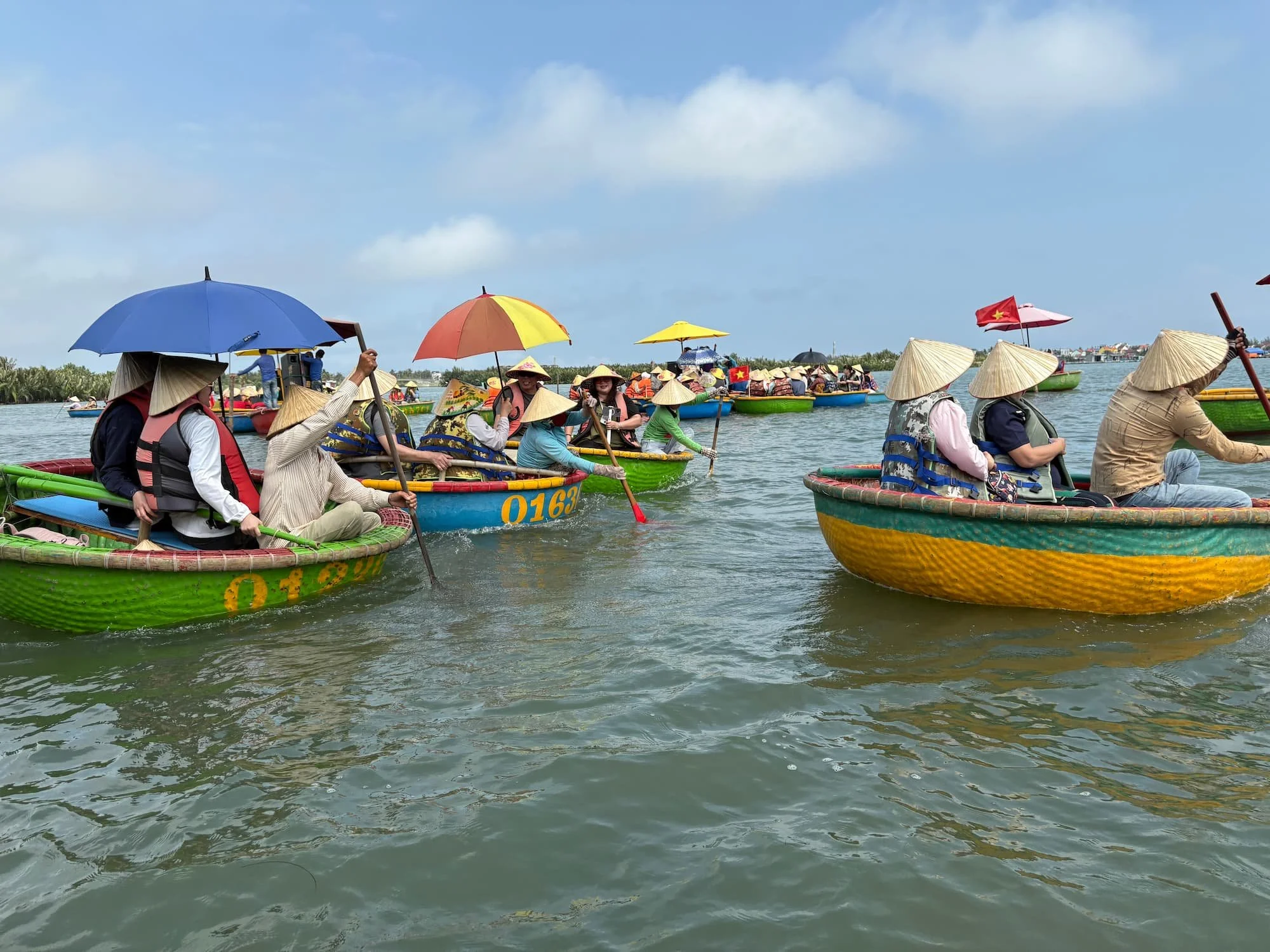
My favourite experience in Vietnam.
Wearing a simple straw hat and drifting through the greenery felt like a small glimpse into everyday life outside the tourist centre.
It didn’t feel rushed or overly polished, just light-hearted and local.
For first-time visitors, this works well as an easy half-day activity. It’s close to Hoi An, doesn’t require much planning, and adds something completely different to the trip without feeling like a big commitment.
Best time to go: Morning or late afternoon to avoid the heat.
Time needed: 1–2 hours.
What to expect: Coconut palm waterways, traditional boats, and relaxed local interaction.
Best moment for photos: During the basket boat spinning demonstrations among the palms.
🚣 Best Basket Boat Experience Near Hoi An.
Joining a guided basket boat tour is the easiest way to experience this area, with local rowers, short transfers from Hoi An, and time to enjoy the waterways without organising anything yourself.
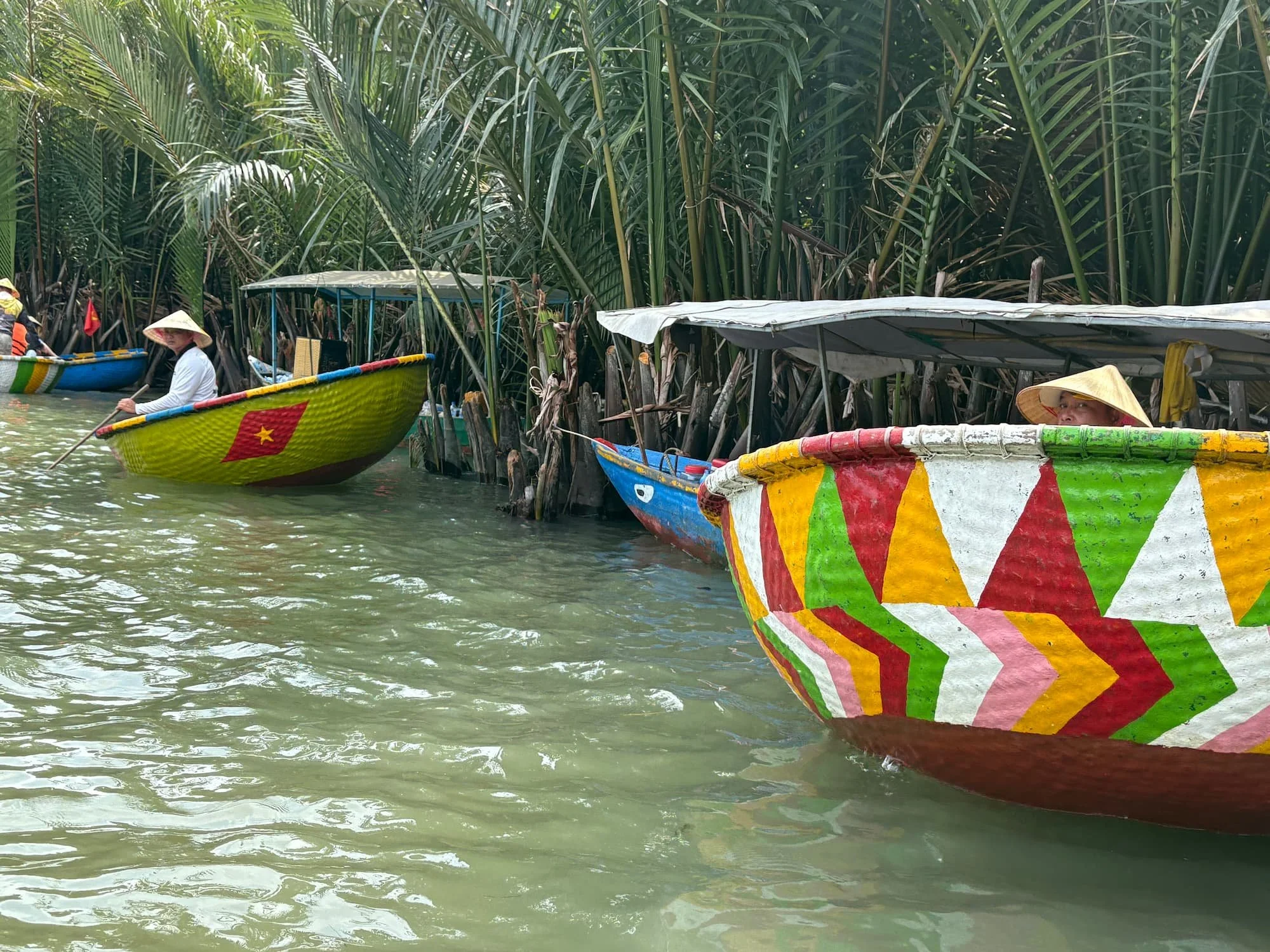
So much fun.
Discover Quirky Streets & Hidden Art.
Some of Vietnam’s most interesting spots aren’t big landmarks, they’re hidden down side streets and woven into everyday neighbourhoods.
Hanoi’s Train Street is the most famous example.
Running straight through a narrow residential area, it feels unreal the first time you see it.
When the train isn’t passing, locals sit outside cafés just inches from the tracks. When it does arrive, everything pauses briefly before life carries on as normal.
Nearby, Phung Hung Mural Street offers a quieter contrast.
The arches beneath the railway line are covered in murals showing scenes from old Hanoi, street vendors, historic buildings, and everyday life. It’s less hectic than Train Street, therefore easier to explore at your own pace.
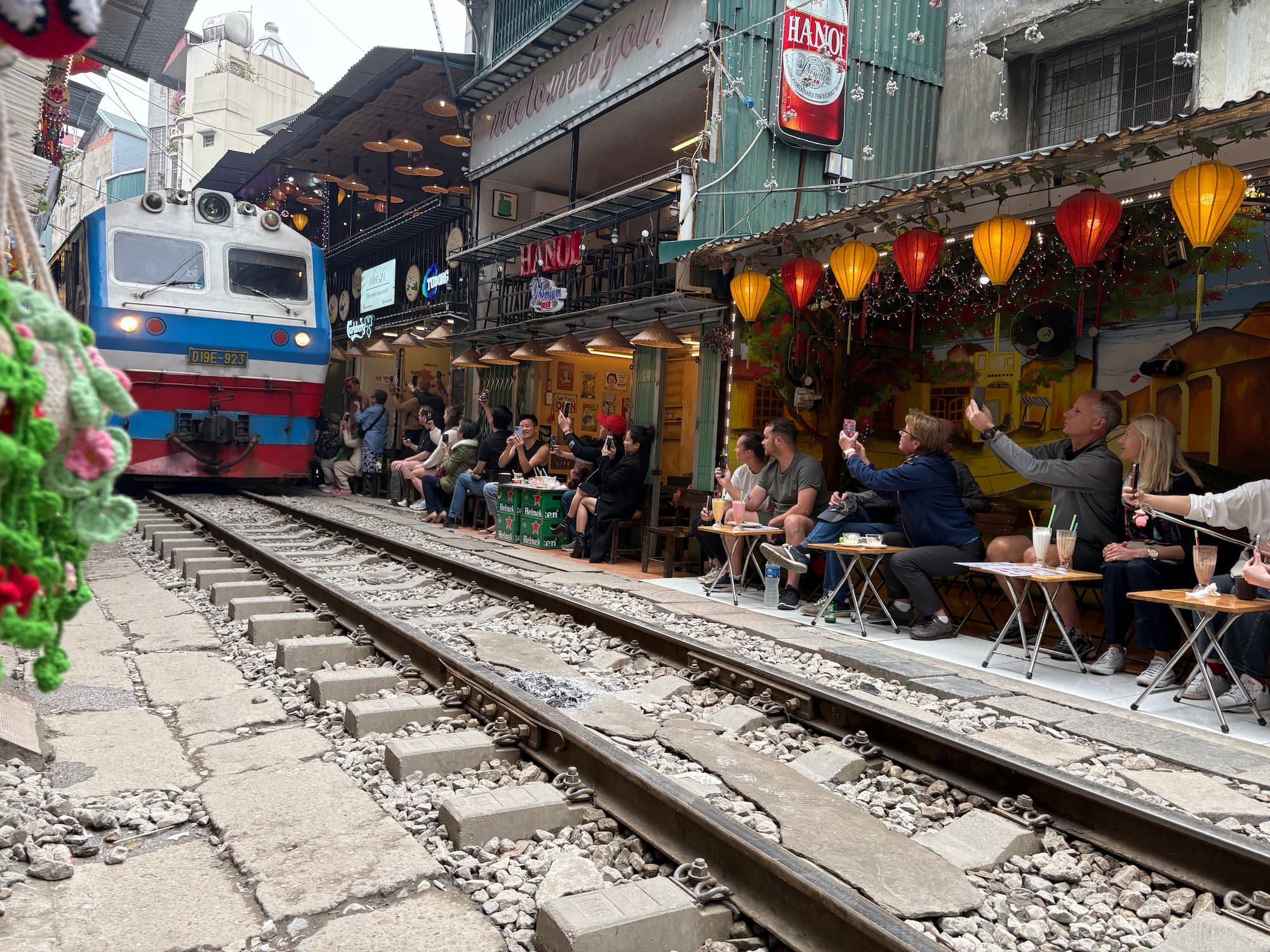
The famous Train Street in Hanoi.
Hoi An doesn’t have much modern street art, but that’s part of its appeal.
Instead, the town itself feels like a living artwork, with weathered yellow walls, lanterns, and small details tucked away in backstreets.
In Ho Chi Minh City, creative spaces tend to pop up in alleyways rather than designated art areas. Cafés, colourful streets, and changing murals reflect the city’s more modern, fast-moving character.
For first-time visitors, seeking out these smaller pockets adds another layer to the trip and has always lead to the most memorable moments during my times in Vietnam.
Best time to go: Early morning or late afternoon for quieter streets.
Time needed: 1–2 hours per area.
What to expect: Murals, narrow streets, local life, and unexpected photo spots.
Best moment for photos: When streets are quieter and everyday life is unfolding naturally.
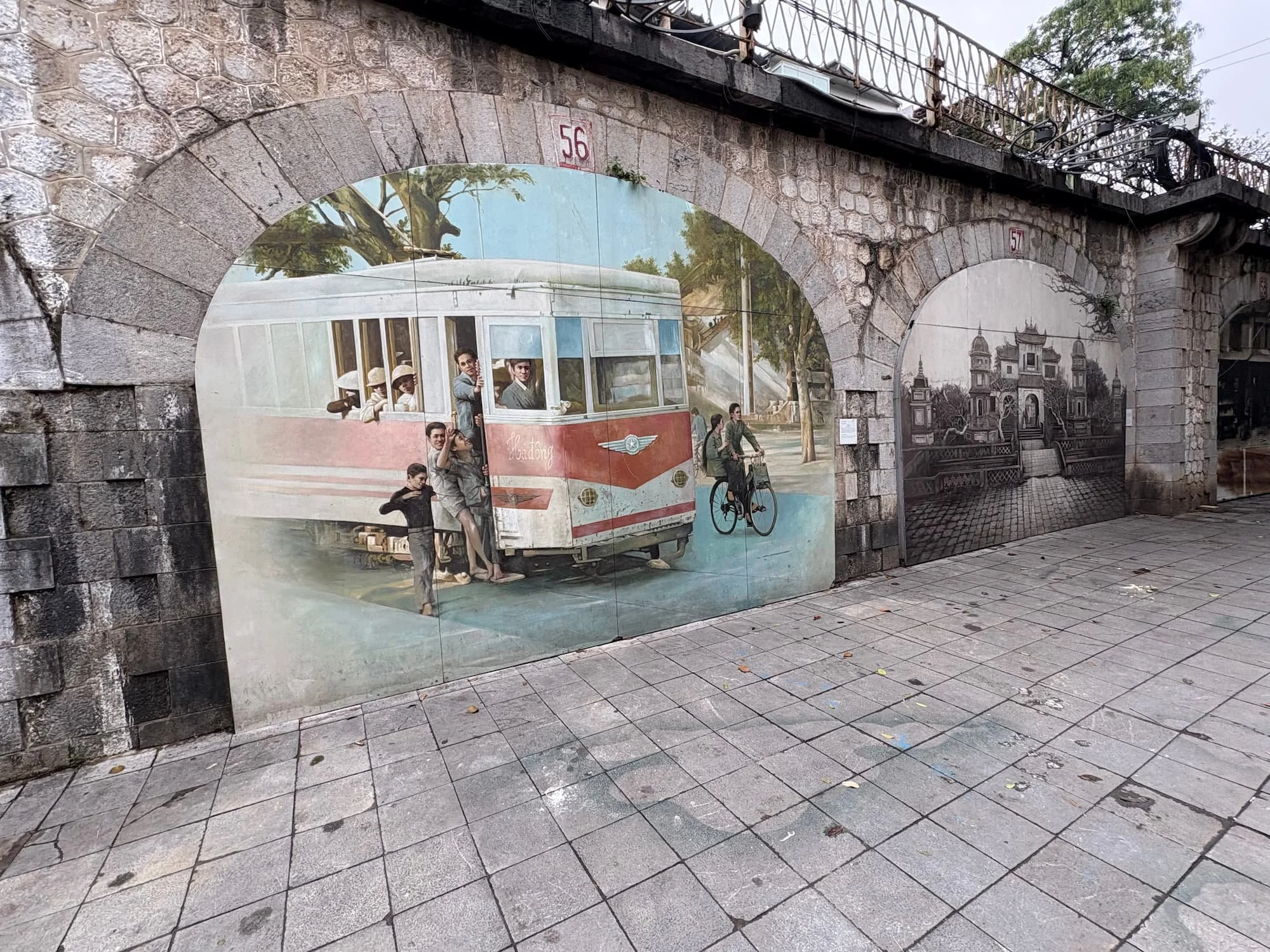
Phung Hung Mural Street.
Visit a Floating Market in the Mekong Delta.
Visiting a floating market in the Mekong Delta offers a very different side of Vietnam to the big cities.
Early in the morning, boats gather along the river, piled high with fruit, vegetables, and local produce.
Traders call out to each other, small kitchens operate from wooden boats, and everyday life plays out on the water rather than on land.
I have been to touristy floating markets in Asia, however, these delta ones feel more like they are part of daily life on the Delta. Seeing them in person gives useful insight into how life here has traditionally revolved around the river.
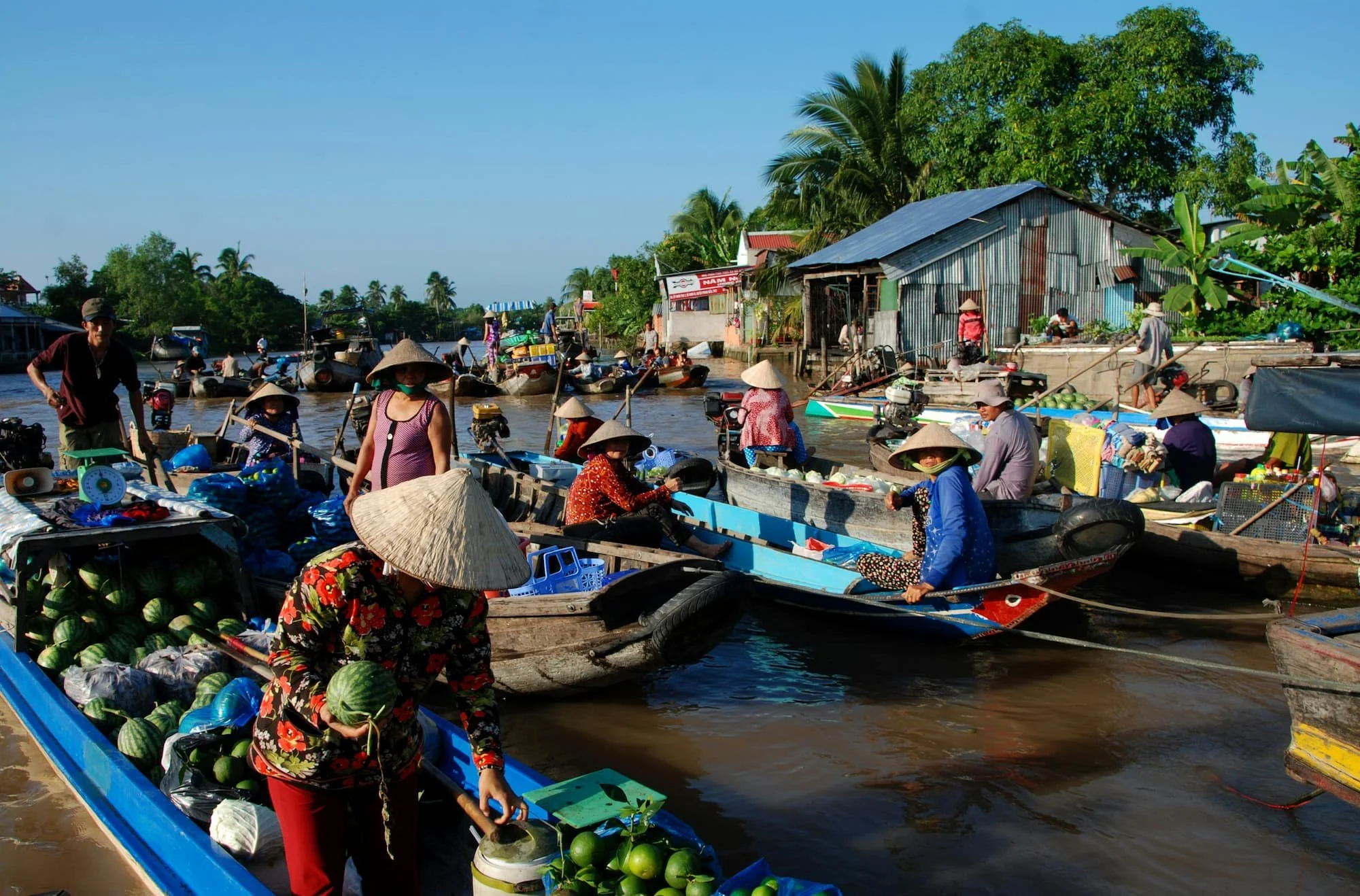
A very popular spot.
For first-time visitors, a floating market works best as a half-day trip from Ho Chi Minh City.
It’s not about spending hours there, but about understanding a slower, river-based way of life that contrasts sharply with Vietnam’s fast-moving cities.
Best time to go: Early morning, ideally around sunrise.
Time needed: Half day from Ho Chi Minh City.
What to expect: Boats trading produce, river life, and busy waterways.
Best moment for photos: Sunrise, when the market is at its liveliest.
🚤 Best Floating Market Tour in the Mekong Delta.
The easiest way to visit is by joining a top-rated Mekong Delta floating market tour, which includes transport from Ho Chi Minh City and early-morning access to the busiest markets.
👉 View the best-rated Mekong Delta floating market tour here.
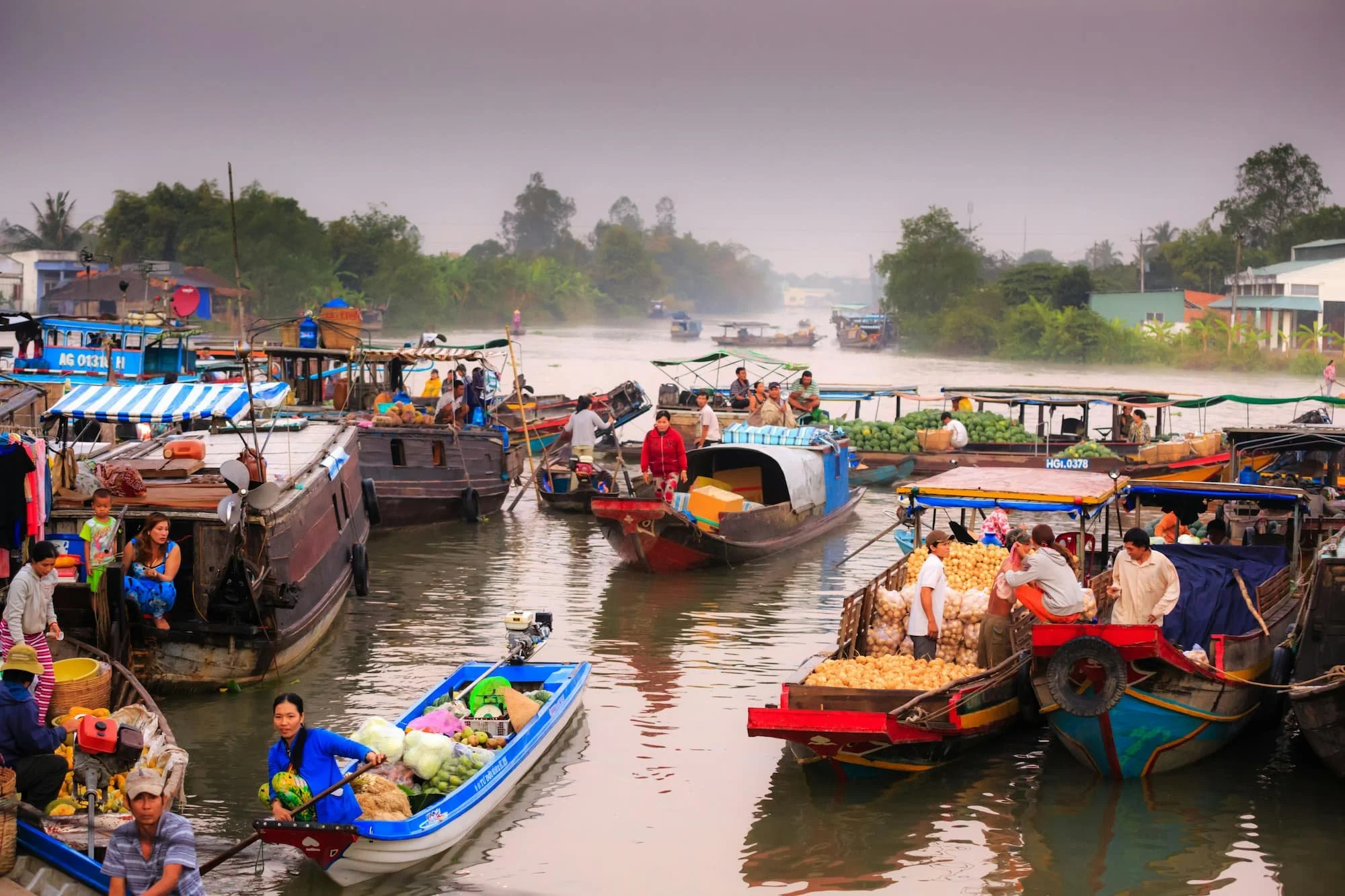
Market day.
My favourite moment in Vietnam.
Choosing a single favourite moment in Vietnam isn’t easy.
The country has such a strong mix of culture, nature, and history that every part of the trip feels different.
One day you’re wandering chaotic city streets, the next you’re surrounded by mountains or drifting through calm countryside. It’s that contrast that makes Vietnam so memorable.
But if I had to pick one experience that really stuck with me, it would be the basket boat tour through the coconut palm forests near Hoi An.
Sitting low in the water, wearing a simple straw hat, and drifting slowly through narrow jungle waterways felt like a glimpse of a quieter, more traditional side of Vietnam.
What I liked most was how simple it felt. No big landmarks, no rushing, just local life, water, and greenery all around.
Vietnam is full of big moments, so everyone will have different favourites.
Time to go and find yours!
Disclosure: I sometimes use affiliate marketing. This will not cost you anything, but helps with my travel costs. I only recommend companies I use myself.