
3 Days in Hoi An Itinerary (2026): An Incredible Ancient Town Escape.
Wandering through Hoi An Ancient Town for the first time was genuinely fascinating…
Relics of Vietnamese, Chinese, and Japanese influence sit side by side, a reminder of Hoi An’s past as one of Southeast Asia’s most important trading ports.
I explored wooden merchant houses, old Cantonese temples, and my favourite, the Japanese Covered Bridge, each revealing a different chapter of the town’s history.
Hoi An is far more than just its Old Town though.
Beyond the historic streets, there are peaceful river walks along the Thu Bồn, fun coconut basket boat tours through palm-lined waterways, hands-on Vietnamese cooking experiences, and laid-back beaches like An Bang just minutes away.
If you’re planning 3 days in Hoi An, this itinerary shows you how to experience it properly.
through combining the Ancient Town with quieter moments, local experiences, and time to slow down. The Old Town may be the headline act, but exploring Hoi An at my own pace ended up being my favourite part.

The very fun Cam Thanh Coconut basket boat tour.
Disclosure: I sometimes use affiliate marketing. This will not cost you anything, but helps with my travel costs. I only recommend companies I use myself.
🏨 Before you go: Where to stay & what to do in Hoi An.
Location matters in Hoi An.
Stay close to the Ancient Town and you’ll enjoy quiet mornings, walkable lantern nights, and zero taxi hassle.
Top hotels near the centre:
👉 La Siesta Hoi An Resort & Spa – ⭐⭐⭐⭐⭐
Best overall stay near the Old Town.
Spacious rooms, beautiful pools, and a peaceful setting just a short walk from the lantern-lit streets — ideal if you want comfort without the crowds.
👉 Allegro Hoi An – A Little Luxury Hotel & Spa – ⭐⭐⭐⭐⭐
Closest boutique hotel to the action.
A stylish boutique stay just minutes from the Ancient Town, perfect for dipping in and out of cafés, markets, and lantern nights on foot.
👉 Hoi An Central Boutique Hotel & Spa – ⭐⭐⭐⭐
Best value within walking distance.
Comfortable, affordable, and well-located — a smart choice if you want to stay central without paying luxury prices.
Top Experiences (Worth Booking Ahead).
👉 Hoi An Ancient Town Private Walking Tour – The best way to understand the Old Town’s history, architecture, and hidden corners with a local guide.
👉 Cam Thanh Coconut Basket Boat Experience – A fun, short countryside escape just outside Hoi An, perfect to break up sightseeing days.
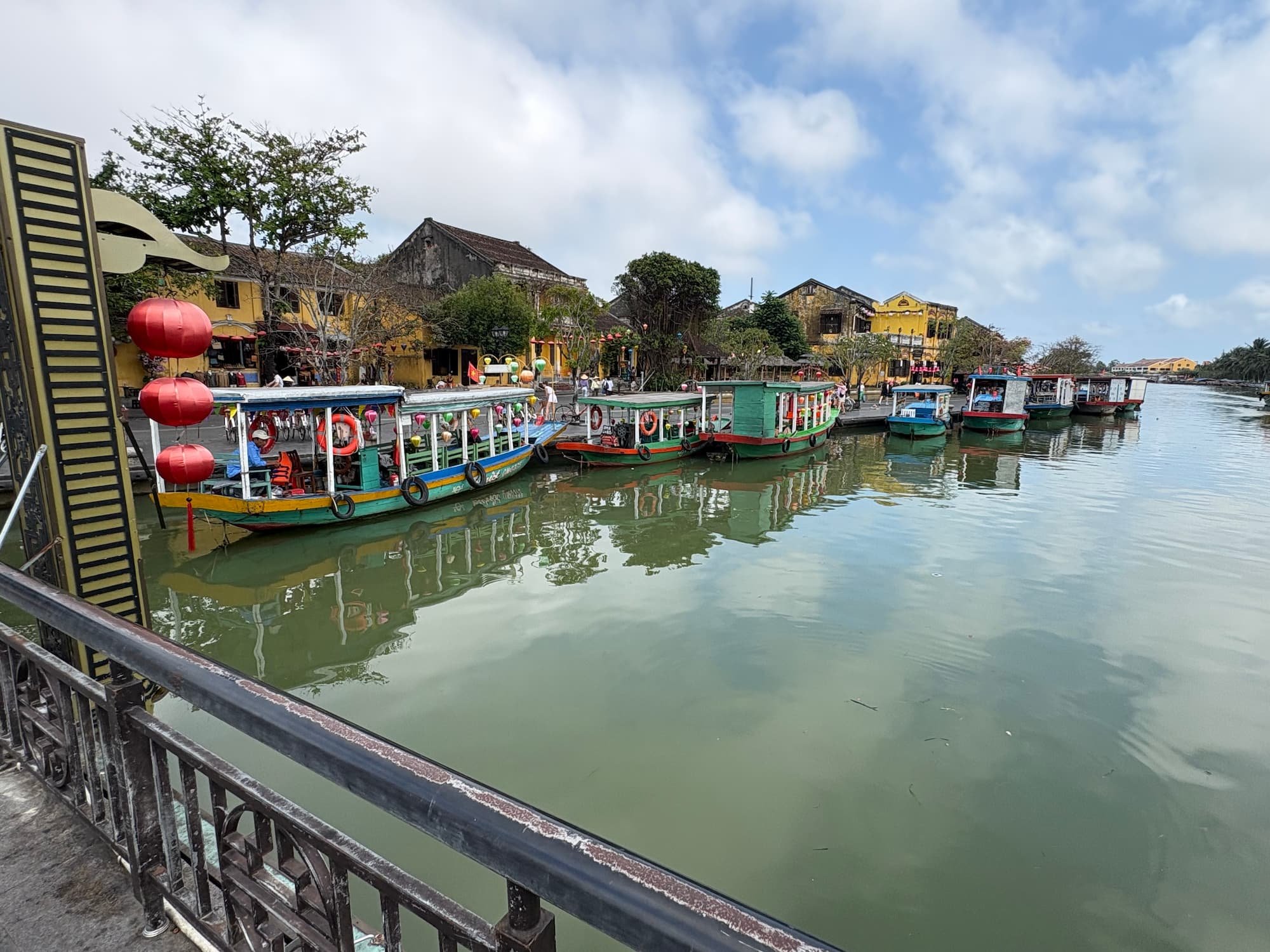
The famous riverside.
Day 1 – Hoi An Ancient Town & Lantern Nights.
Your first day in Hoi An is all about easing into the town’s rhythm. There’s no need to rush or over-plan, the Ancient Town is compact, walkable, and made for wandering rather than ticking things off.
I still remember arriving on my scooter for the first time and instantly feeling drawn in by my surroundings.
The sunshine lit up the yellow buildings, flowers hung from balconies, and greenery popped up everywhere you looked. It felt bright, open, and welcoming straight away.
What stood out most was the architecture. It’s clearly well preserved, but it doesn’t feel like a museum.
People live and work inside these buildings, cafés spill onto the street, and everyday life carries on around them. That combination gives Hoi An a very different feel to Vietnam’s bigger cities. Calmer, and much more relaxed.
Your first day is about getting your bearings, understanding Hoi An’s layered history, and soaking up the unique vibe that makes it one of the most loved destinations in Vietnam.
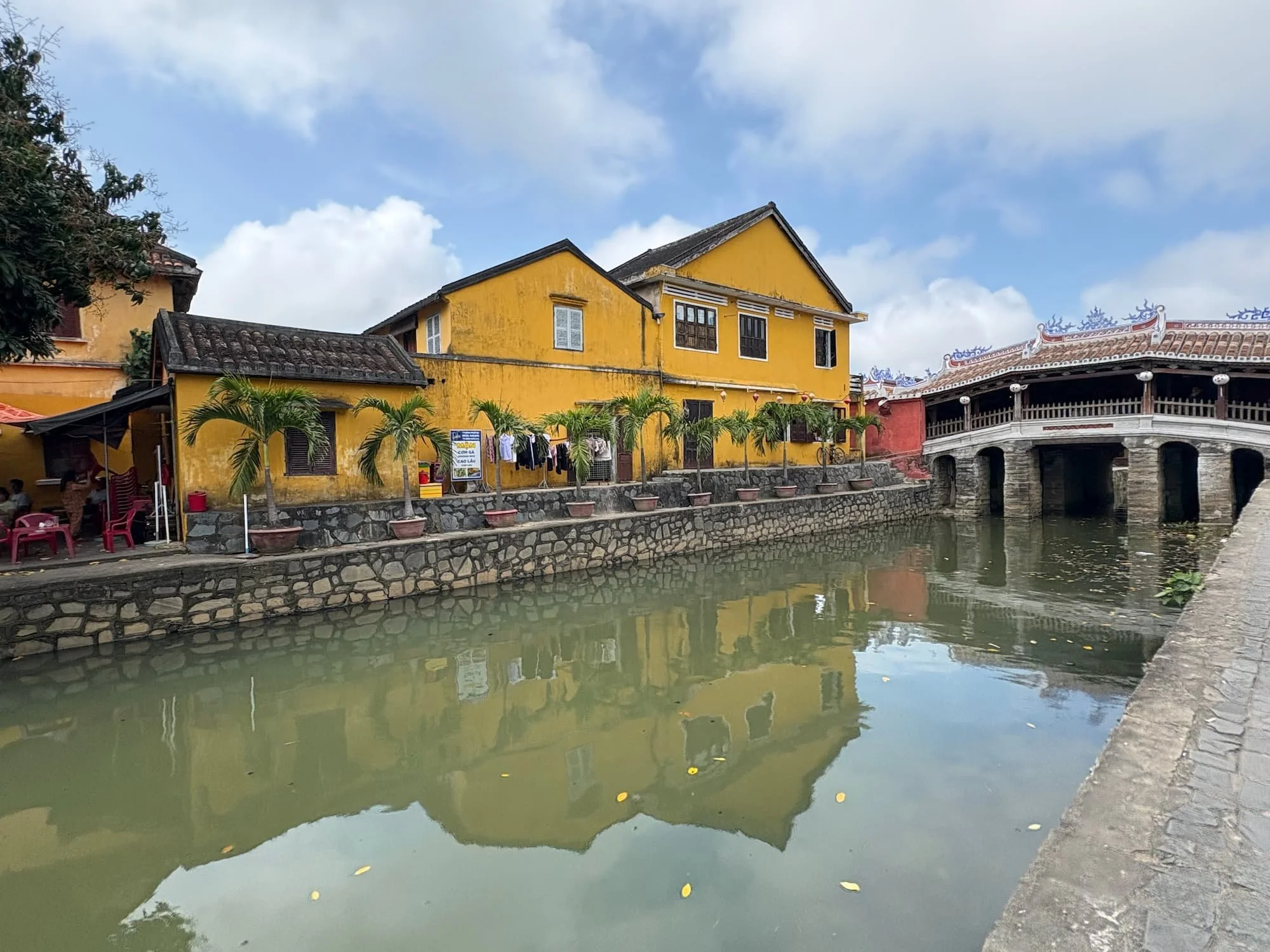
The Old Japanese Covered Bridge.
Morning: Exploring Hoi An Ancient Town.
As with all of the amazing places I have visited, I started my first morning with simply walking, and seeing what I could find.
No route, no checklist, just letting the Old Town unfold naturally, which is the best way to experience Hoi An for the first time - undoubtedly!
The first thing I noticed was how colourful everything is.
Yellow buildings line the streets, with wooden shutters, lantern hooks, and plants breaking things up so it never looks boring.
Bicycles are parked outside shops, café tables spill onto the pavements, and the whole area feels relaxed.
Chill vibes in the Old Town.
Unlike bigger Vietnamese cities, there’s very little traffic inside the Ancient Town.
This makes it perfect to wander or sit and enjoy the town’s atmosphere, where locals and tourists both coexist in a unique way.
I could feel Hoi An’s layered history immediately…
Vietnamese, Chinese, and Japanese influences sit side by side, not as museum pieces, but as working buildings still used daily. Shops operate at street level, families live upstairs, and cafés spill into courtyards that have existed for centuries.
In many ways it is like stepping into a time machine when you arrive in Hoi An.
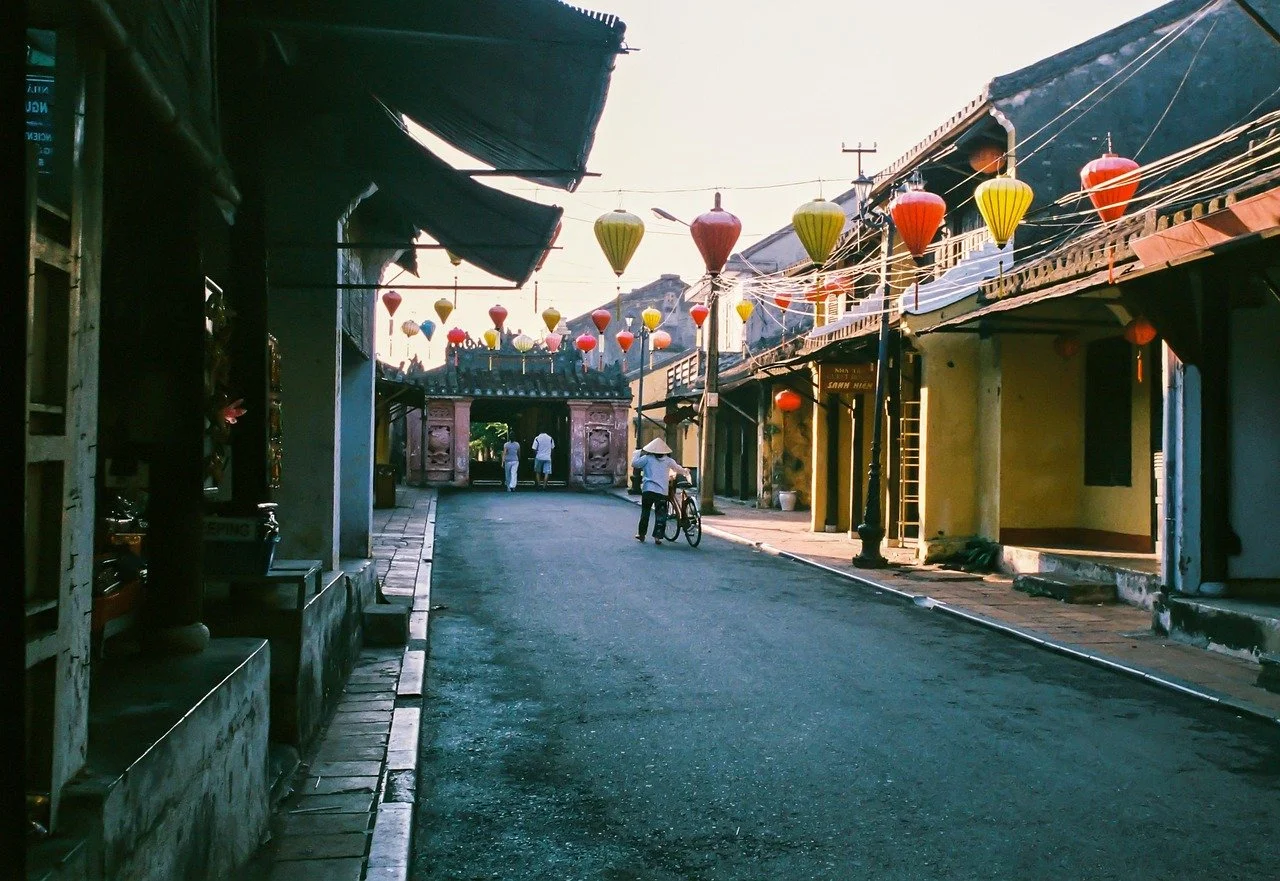
There is something special about an empty Hoi An.
I found morning time to be the ideal time to explore.
Beating the crowds, so you can enjoy the Old Town before it becomes busier later in the day.
Vietnam is a lot different to Thailand, however, the quirky side of Hoi An very much reminded me of Pai in the mountains of Thailand.
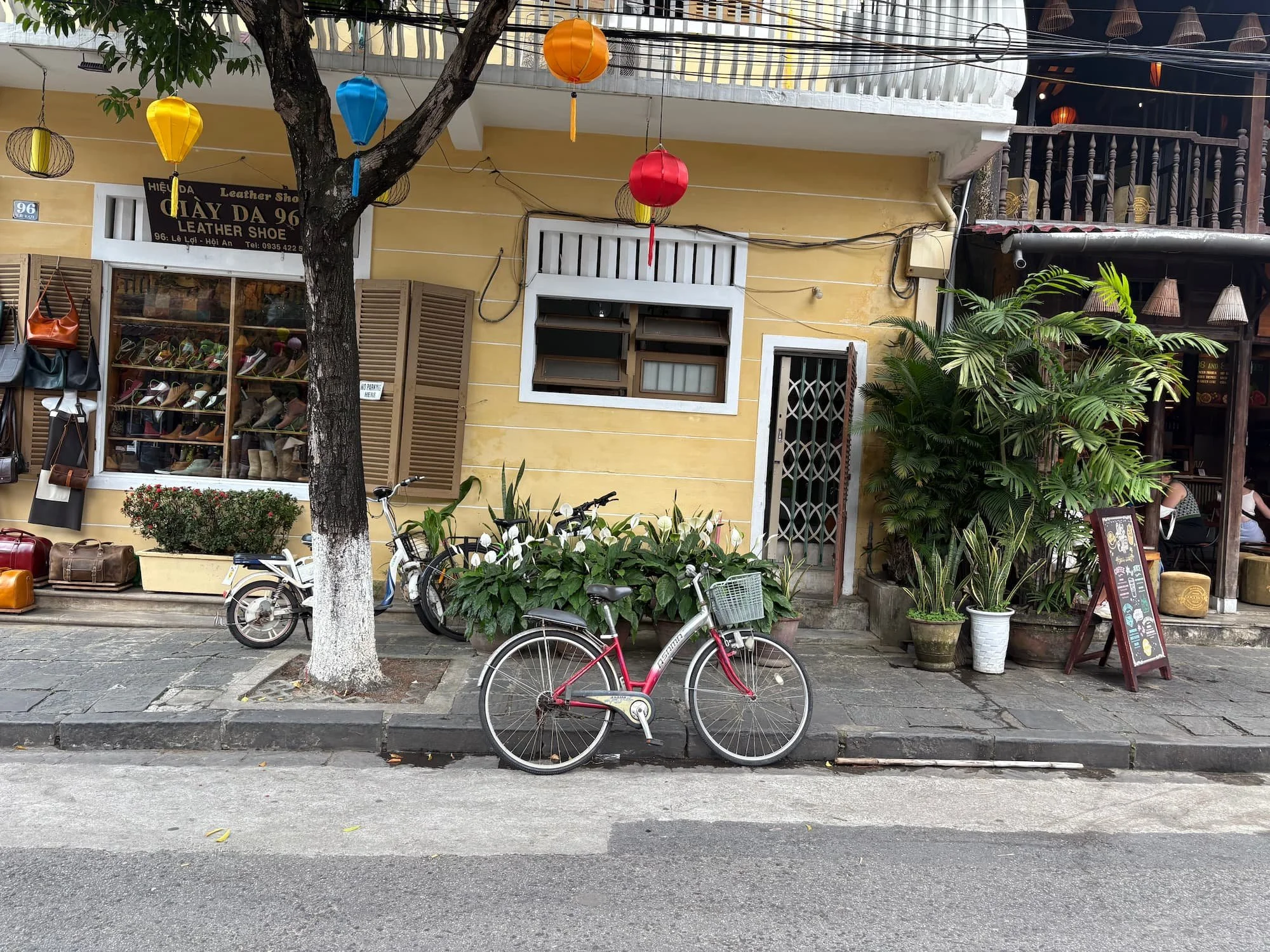
A very quirky place.
Late Morning: Japanese Covered Bridge & Old Town Highlights.
By late morning, I made my way toward Hoi An’s most famous landmark, the Japanese Covered Bridge.
Small in size but rich in symbolism, the bridge was built in the early 17th century to link the Japanese and Chinese quarters of the town.
It’s one of the oldest surviving structures in Hoi An and has become the unofficial symbol of the Ancient Town.
One reason it’s so instantly recognisable is that the bridge even appears on Vietnam’s 20,000 VND banknote, which adds to its status as a national landmark rather than just a local one
For many visitors, seeing it in person feels like ticking off a piece of Vietnam they’ve already seen in everyday life.
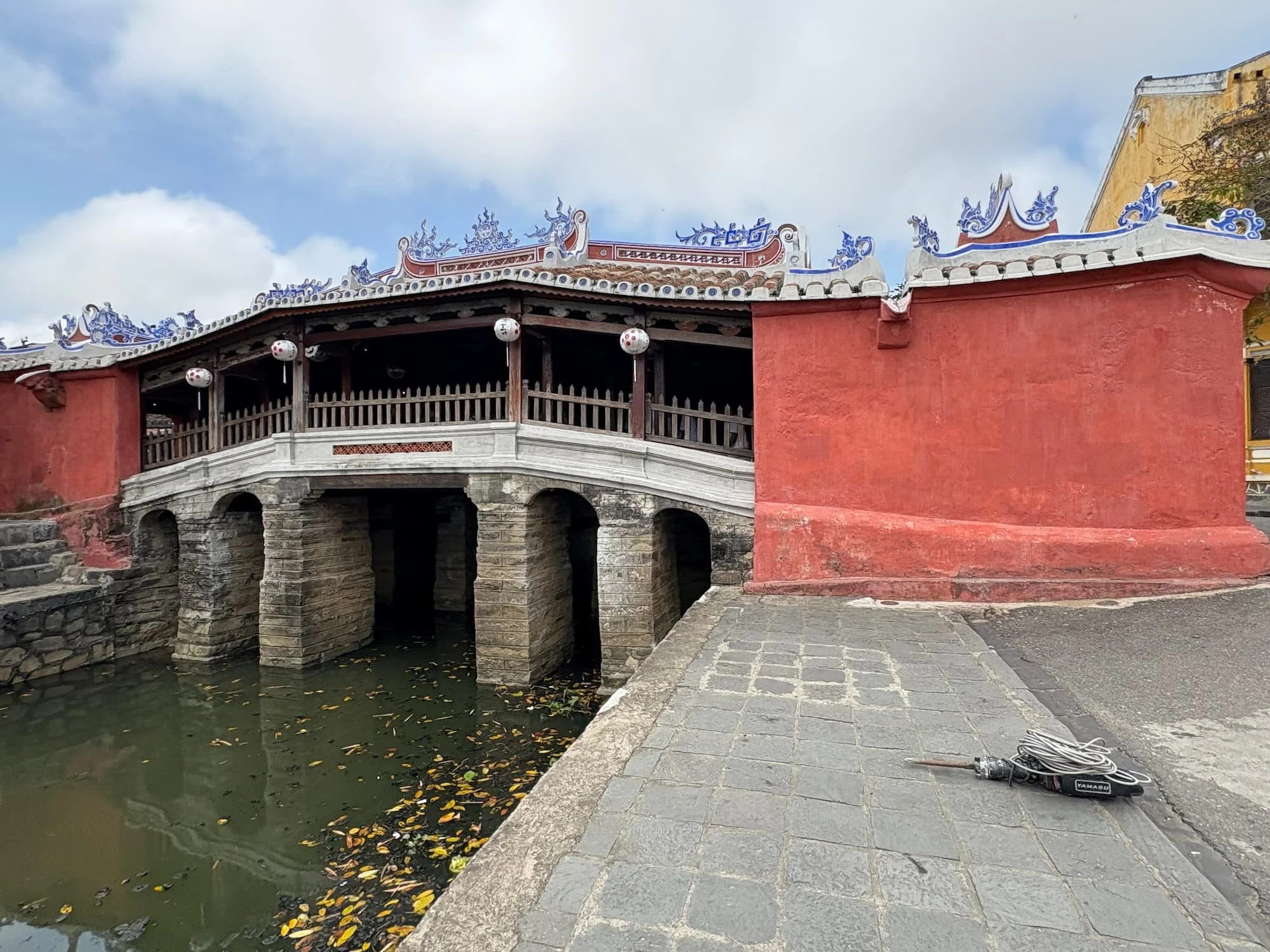
The Japanese Covered Bridge.
The bridge is popular with tourists because it’s easy to access, visually unique, and packed with history in a very small space.
Unlike larger monuments, you don’t need much time here, you can appreciate the curved roof, the small temple structure, and the worn stonework in just a few minutes.
It does get busy, especially late morning and early evening, but it’s still worth stopping by.
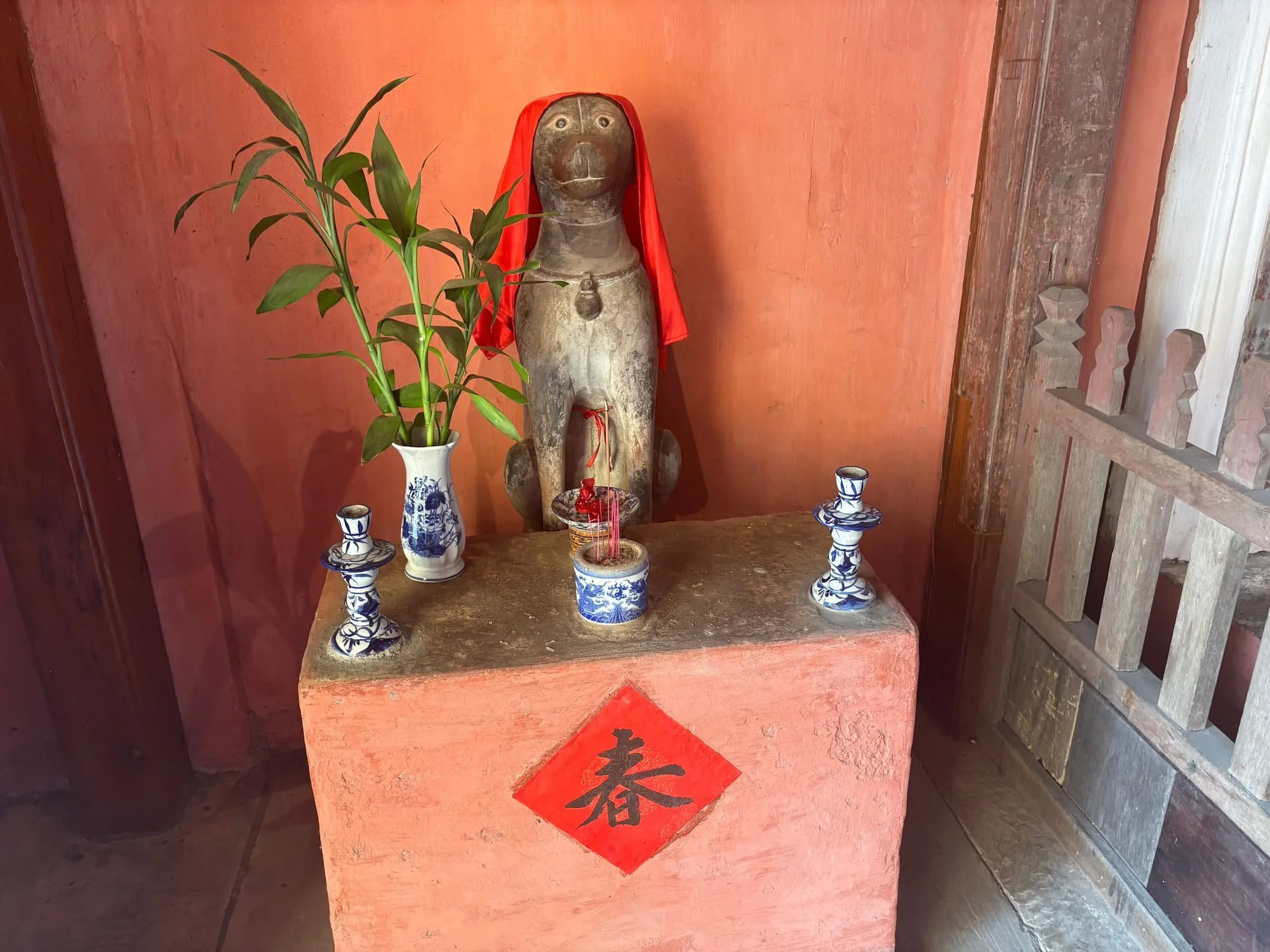
A relic inside the bridge.
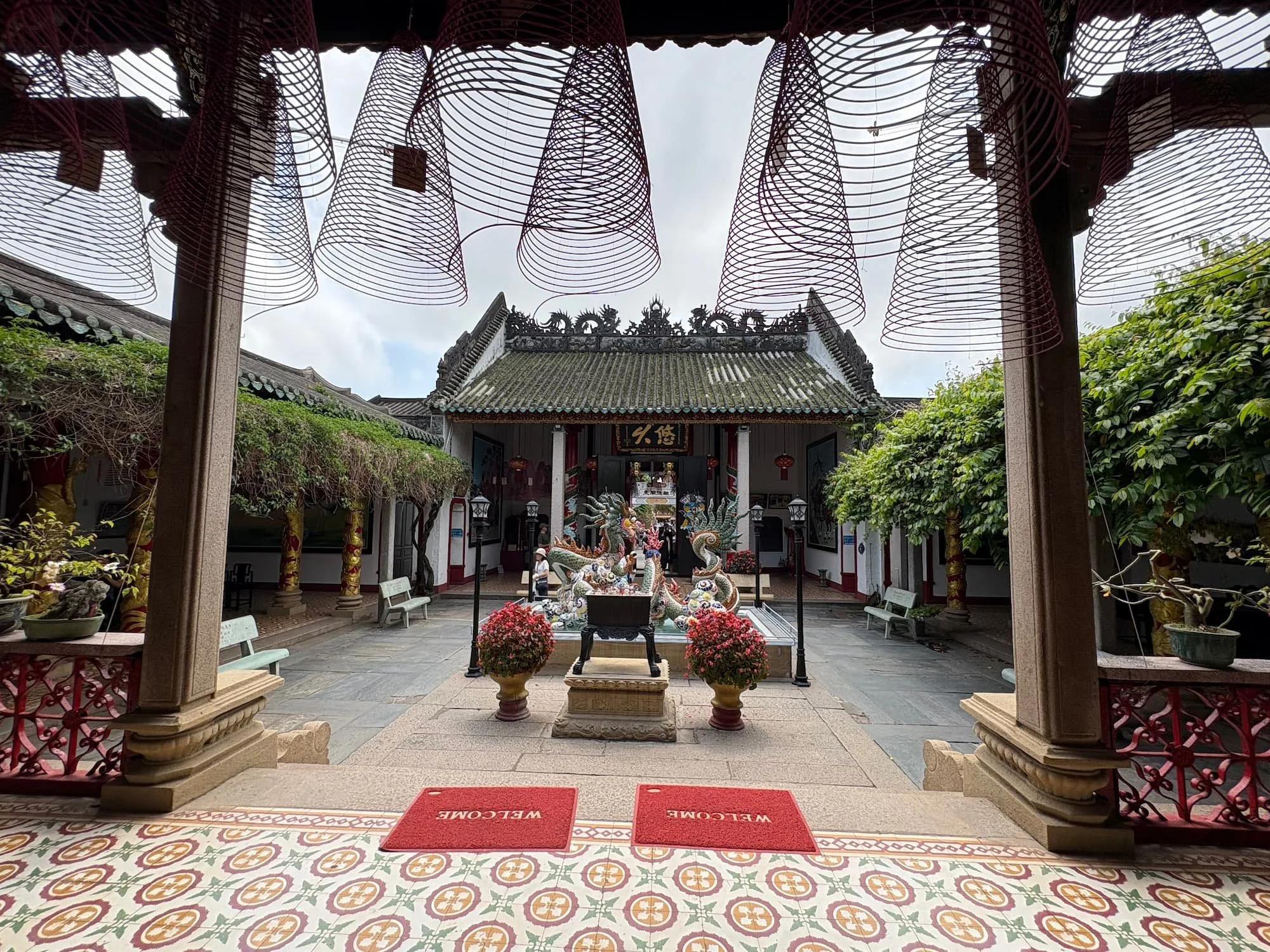
Inside a Cantonese Pagoda.
From here, the Old Town opens up into a collection of historic highlights. Nearby are Cantonese assembly halls, ornate pagodas, and old merchant houses that once belonged to wealthy trading families.
These buildings give you a real sense of how important Hoi An once was as a regional port.
I enjoyed taking my time here, strolling through shaded courtyards, stepping inside cool stone buildings, and observing the small relics and details that have been left behind, carved wooden beams, old altars, faded tiles, and family shrines tucked into corners.
I had seen something similar at Marble Mountain in Da Nang.
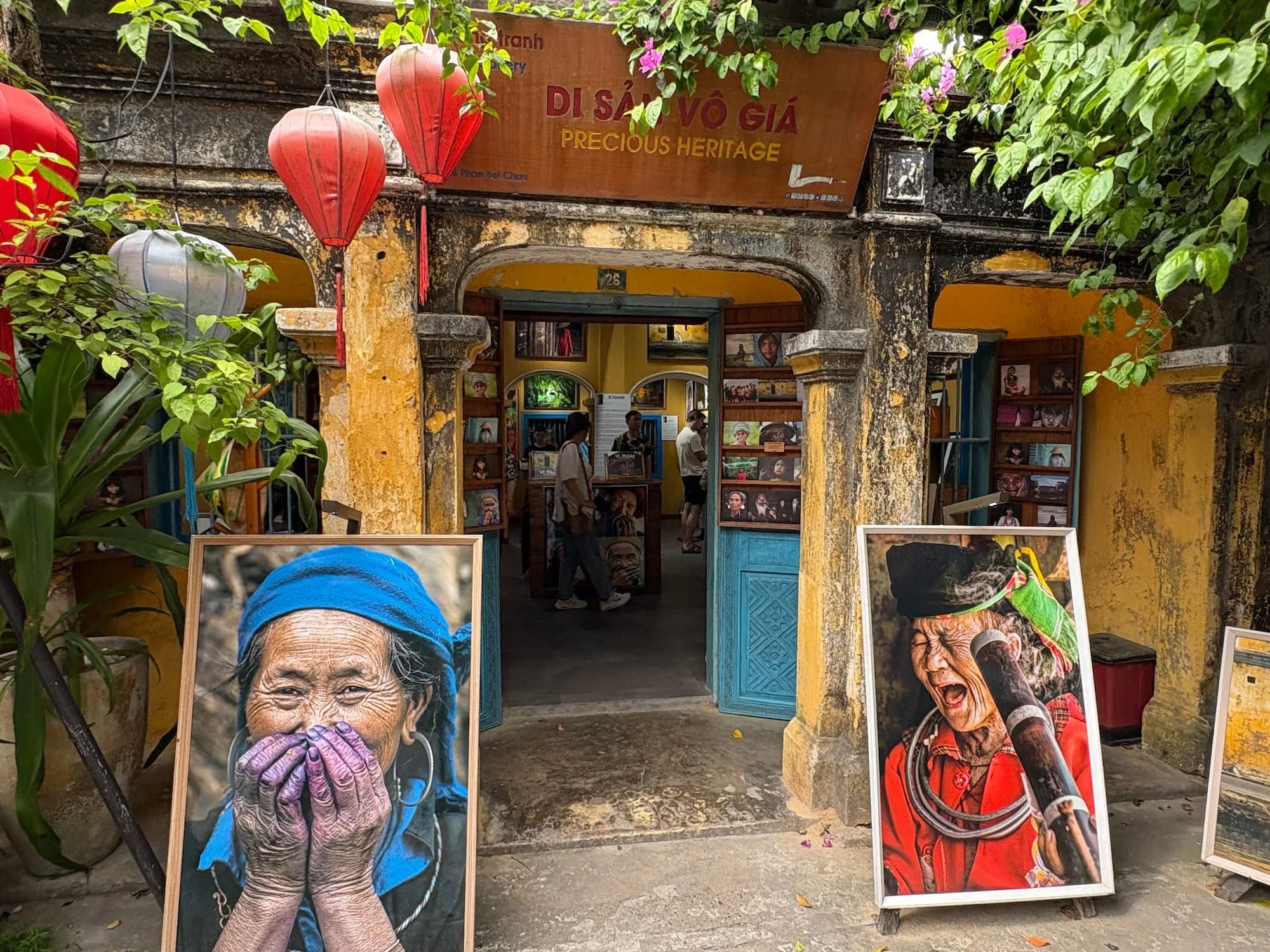
A very interesting museum.
One of the most interesting stops is the Precious Heritage Museum, which focuses on Vietnam’s many ethnic groups and their traditional dress.
What makes it stand out is how clearly everything is presented.
The displays show detailed photographs, traditional clothing, and short explanations that are easy to follow, even if you don’t usually spend much time in museums. It’s not large or overwhelming, but it’s very well done.
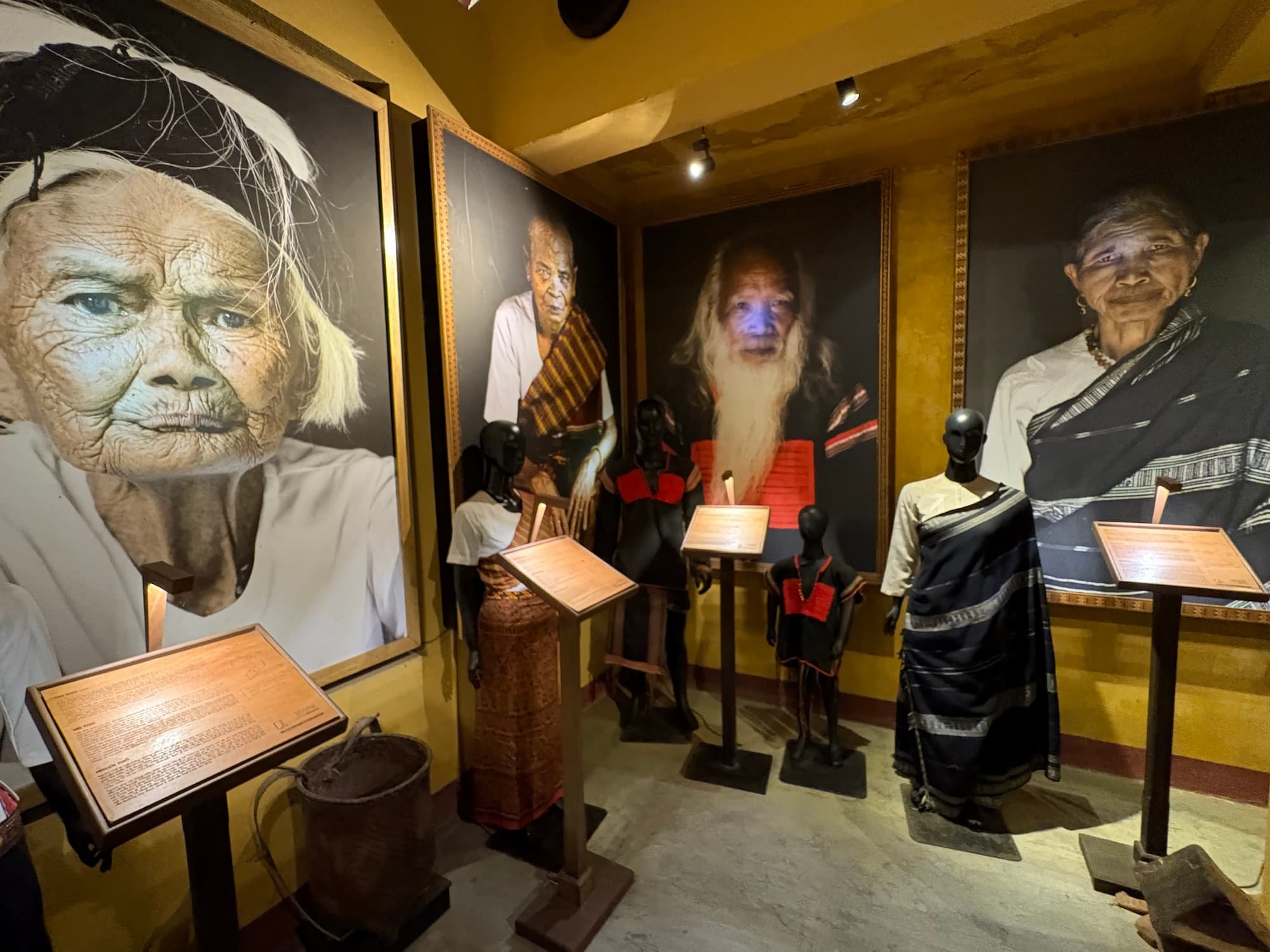
One of the many fascinating rooms.
Visiting here helps put Hoi An into a wider context.
While the Old Town tells the story of trade and architecture, this museum shows just how diverse Vietnam is beyond its cities, with dozens of ethnic groups, each with their own customs, textiles, and way of life
If you’re spending a few days in Hoi An, this is a worthwhile stop to add depth to your Ancient Town walk without taking up too much time.
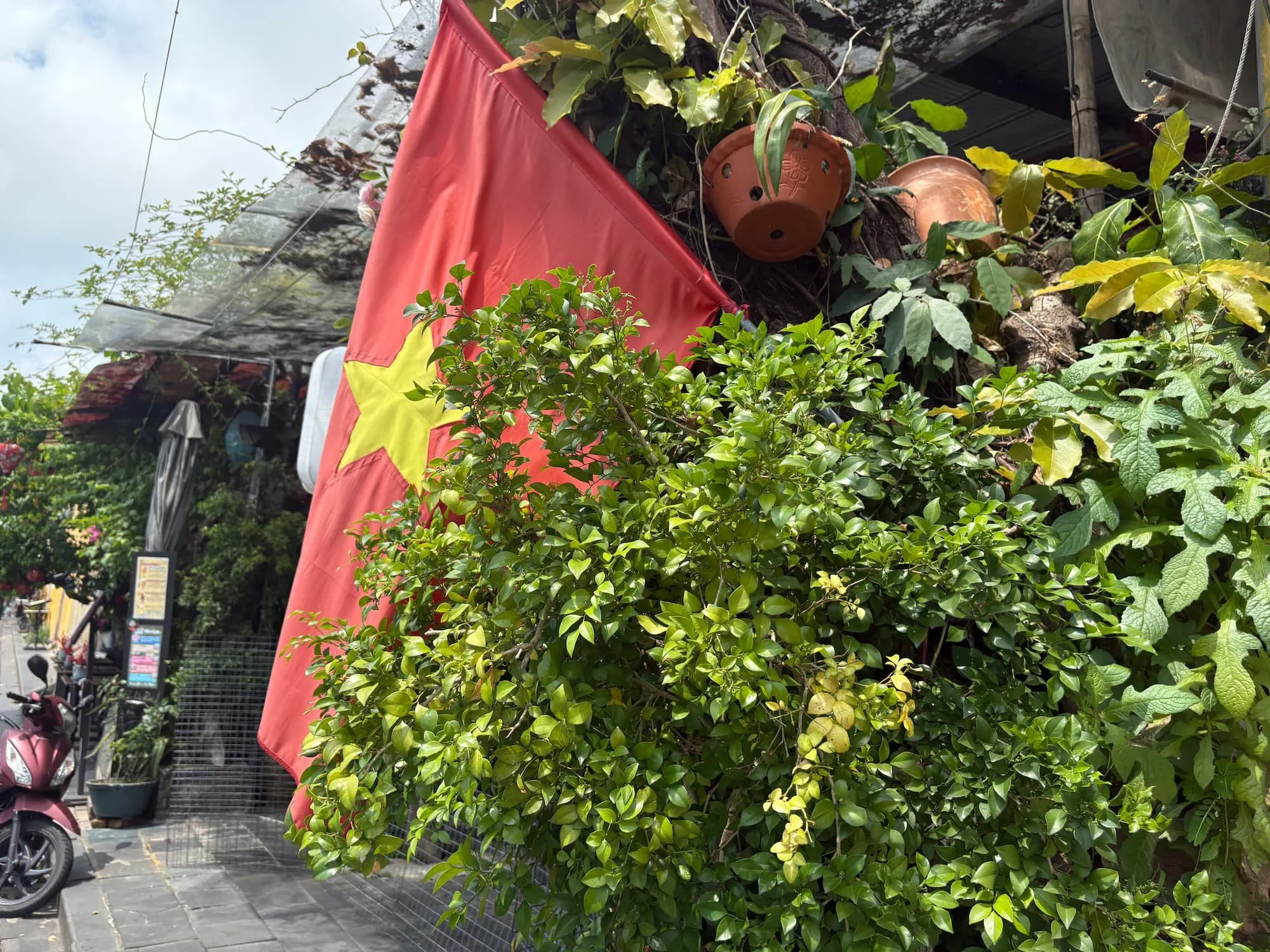
A proud town.
Afternoon: Cafés, Riverside Wandering, & Local Traditions.
As the afternoon heat builds, Hoi An naturally encourages you to try and cool down.
This was the perfect time to duck into a café, find some shade, and watch the town go by.
Hoi An’s café scene is one of my favourites in Vietnam, as it’s very relaxed, creative, and very quirky. Note Coffee in Hanoi would fit right in here!
Every café here feels slightly different. Some spill into leafy courtyards, others overlook the river, and many are tucked inside old houses that still retain their original wooden beams and tiled floors.
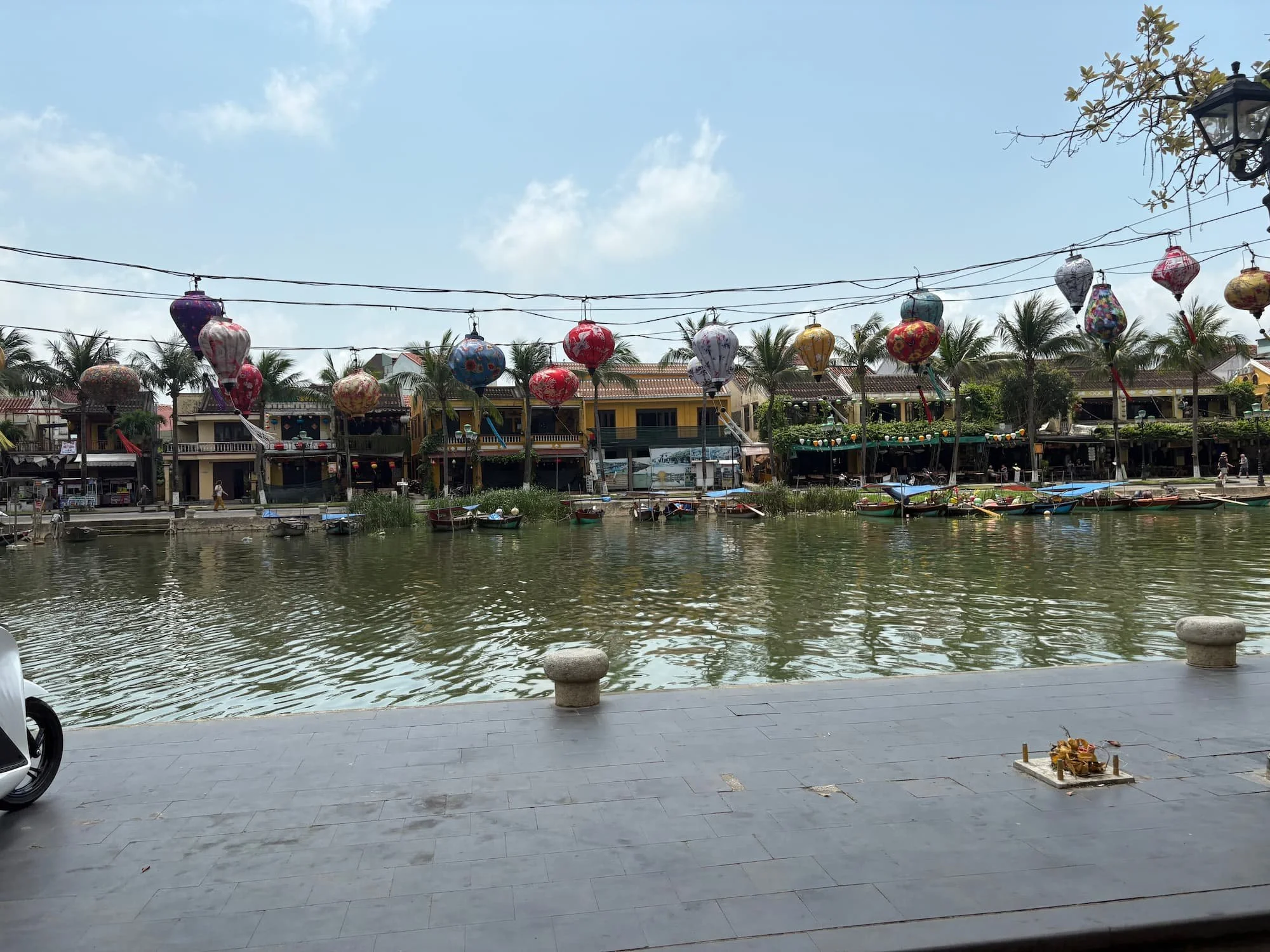
Loved my riverside wanders.
Wandering again after coffee, I passed lantern makers carefully assembling silk shades, tailors measuring fabrics for custom suits, and fruit sellers arranging neat piles of mangoes and dragon fruit.
These small moments are easy to miss if you rush, but they’re what give Hoi An its everyday charm.
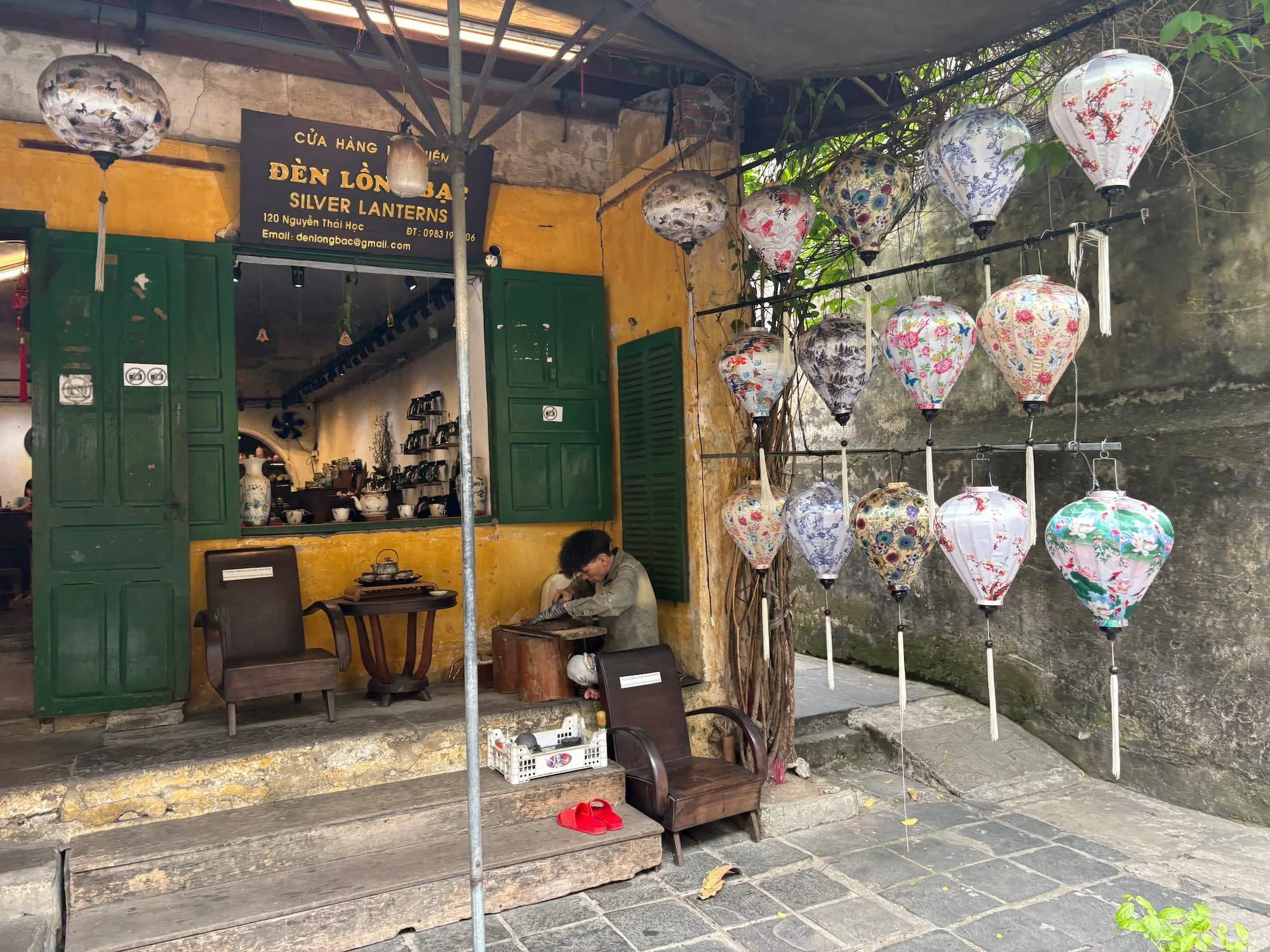
A traditional corner.
By this point, lunch becomes the hardest decision of the day.
Bistros, riverside restaurants, street food stalls, and tucked-away family kitchens all compete for attention. Whether you’re craving a quick bowl of noodles, a fresh banh mi, or a longer sit-down meal by the river, Hoi An makes it almost impossible to choose badly.
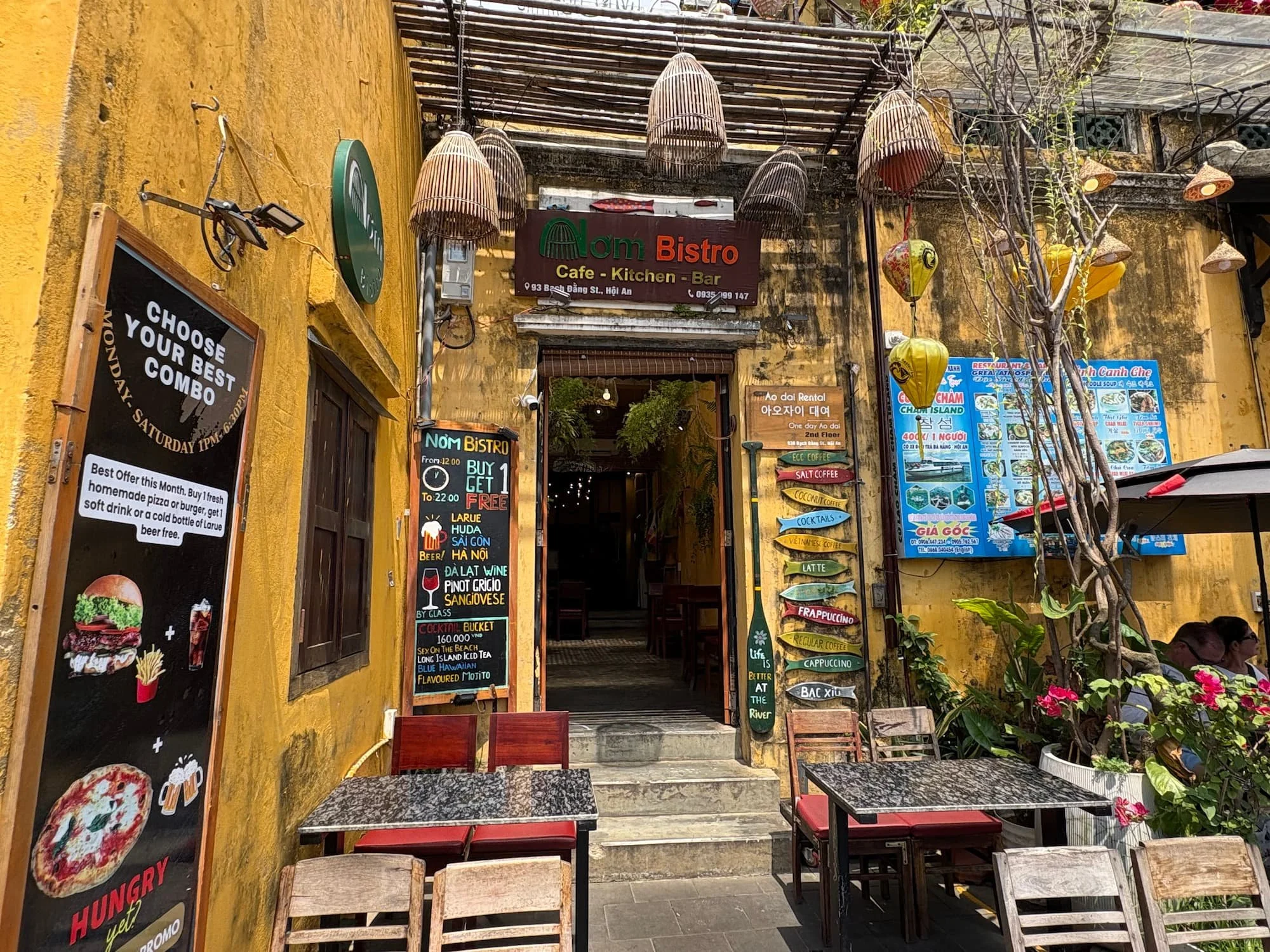
There are some very nice restaurants and bars.
One place I really enjoyed for lunch was Nôm Bistro.
I came across it while wandering the Old Town and ended up staying longer than planned.
It’s set inside a classic yellow Hoi An building, with a relaxed courtyard-style setup that feels cool and shaded even in the afternoon heat. The menu mixes Vietnamese favourites with a few Western options, which makes it an easy choice if you want something reliable but still local.
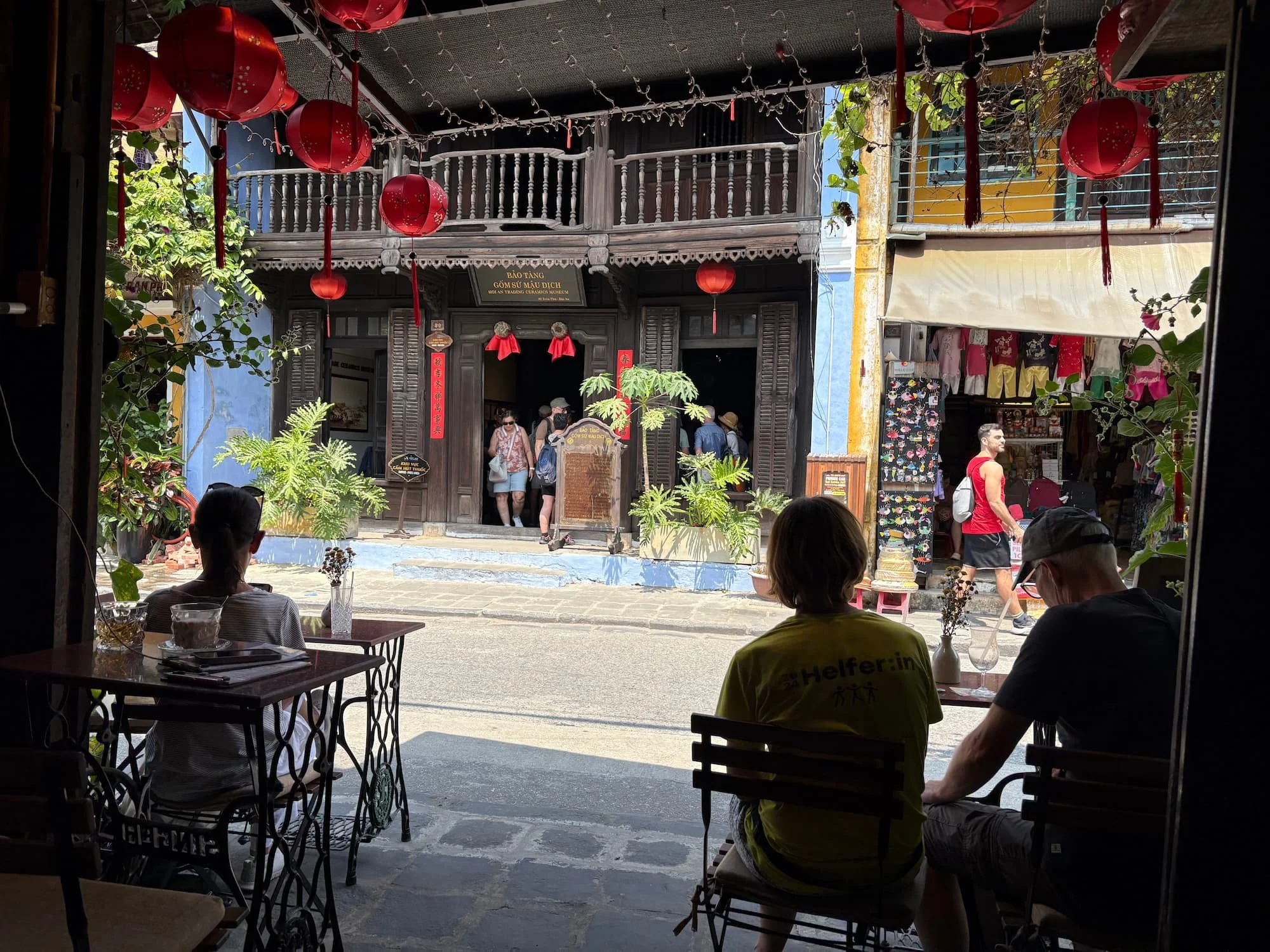
I could have happily people watched all day long.
Evening: Lanterns & the Thu Bon River.
Hoi An is most famous for its fantastic evenings.
It doesn’t take long for the lanterns to switch on across the streets and along the Thu Bồn River, and the area becomes noticeably busier.
The riverside promenade fills with small stalls, lantern boats move up and down the river, and there’s a relaxed, social feel to the whole area.
It felt very lively, and it’s easy to walk around without feeling too rushed.
If you want something hands-on, there are lantern-making classes nearby, which are a simple but enjoyable way to take home a meaningful souvenir. I met some other solo travellers who thoroughly enjoyed their class.

Hoi An comes alive at night.
What really stood out to me was how different Hoi An feels in the evening compared to other Vietnamese nightlife areas.
It’s nothing like the busy streets of Old Quarter Hanoi or the intensity of Bui Vien Street in Ho Chi Minh City.
Even at its busiest, Hoi An manages to keep a calm, easy-going atmosphere.
The streets are lively, but they never feel frantic, which makes evenings here enjoyable whether you want to explore, eat by the river, or simply sit and observe.
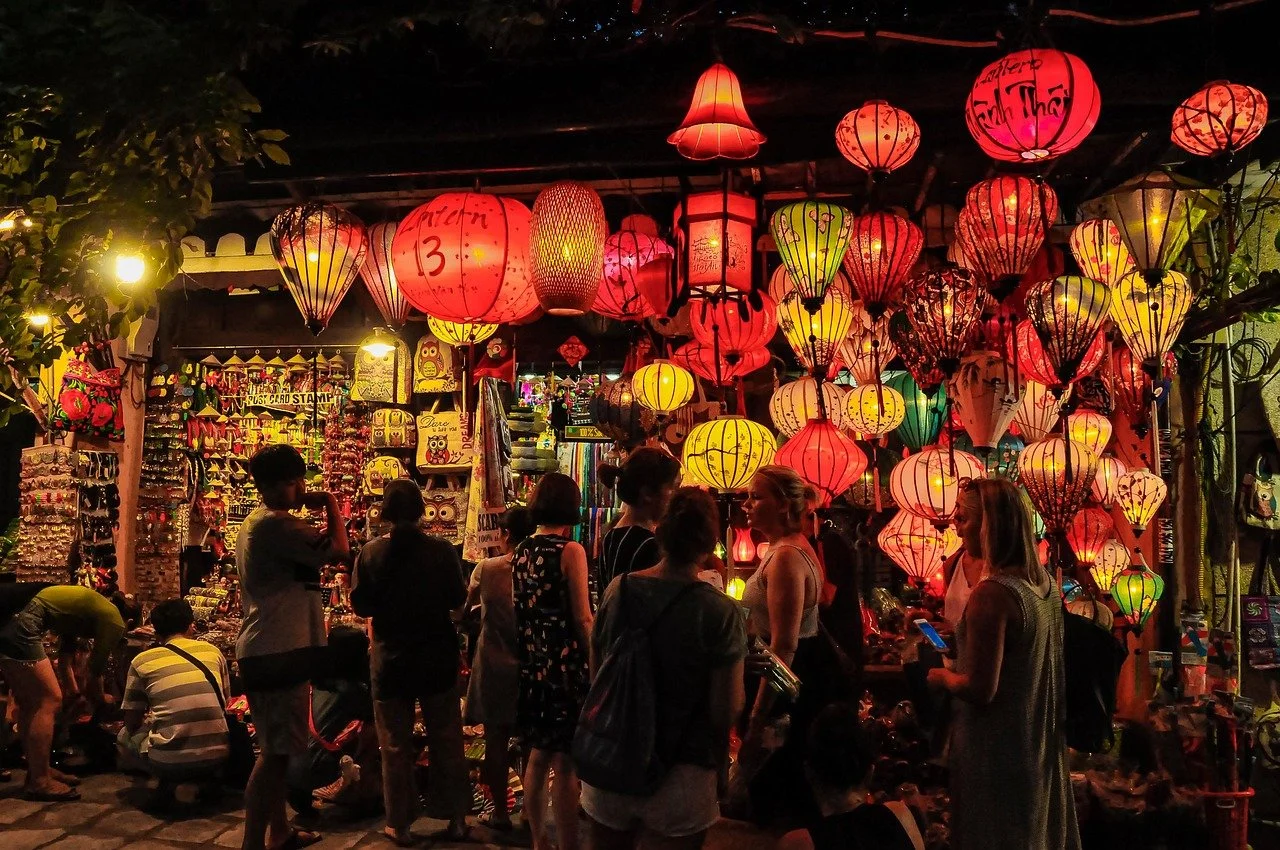
Lanterns, lanterns, and more lanterns.
I finished the night with a Vietnamese meal by the river, watching the boats pass and taking it all in. It was a great way to end the first day and sets the tone for the rest of your stay — slower, more relaxed, and easy to enjoy.
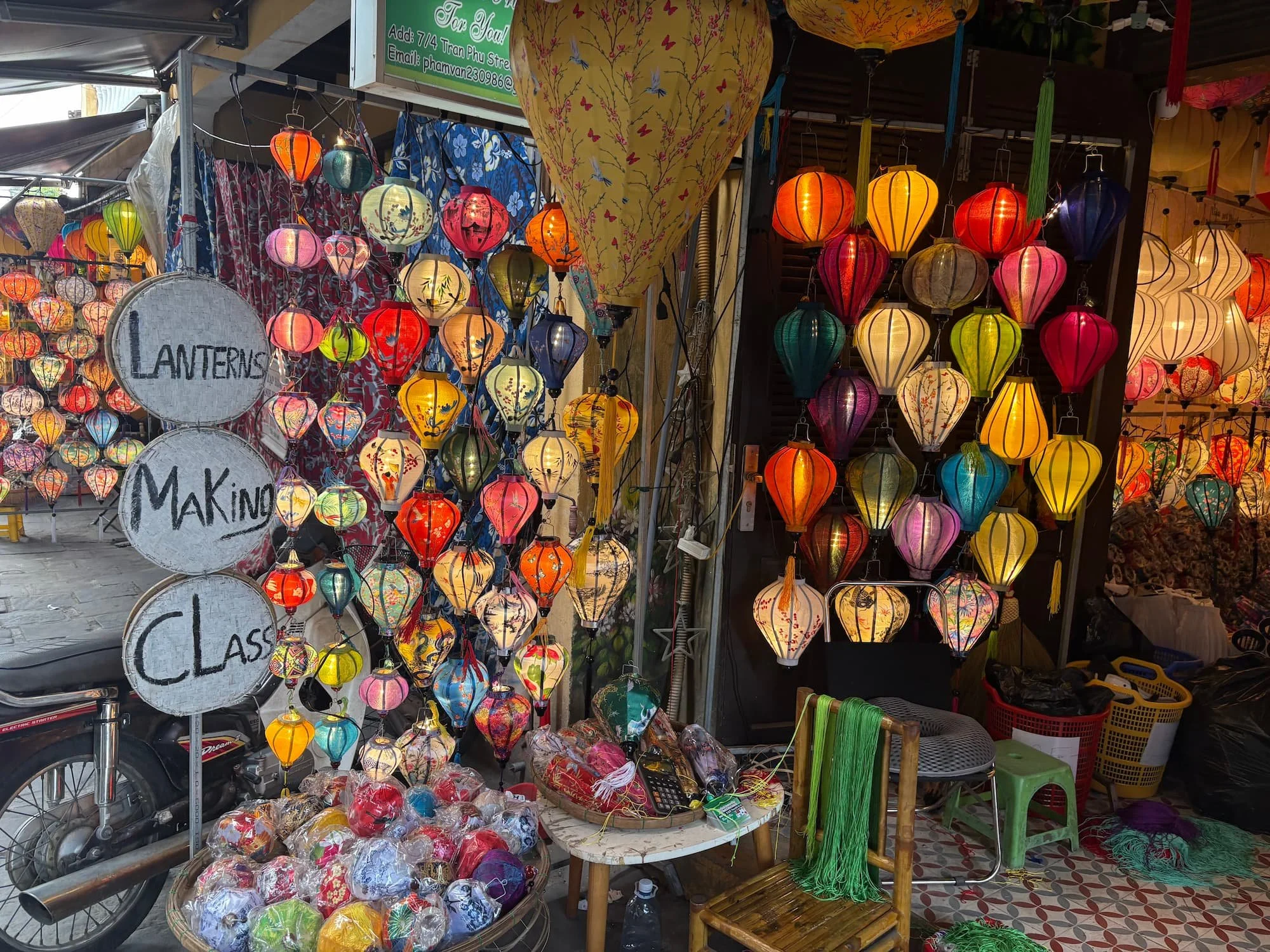
A fun option for tourists.
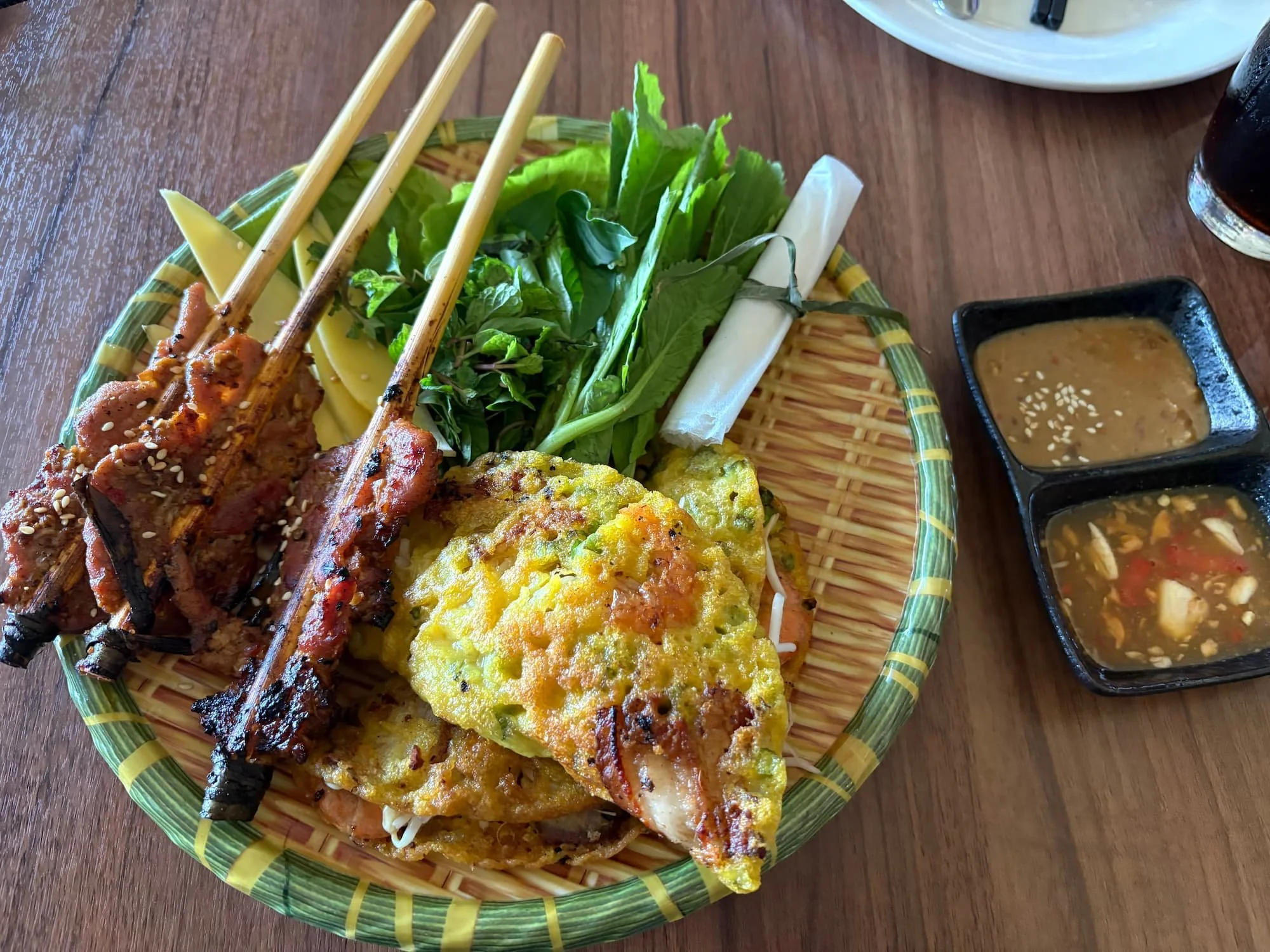
A delicious meal to finish my first day.
Day 2 – Empty streets, Cooking & Coconut Baskets.
If you start early, day two in Hoi An feels completely different. Exploring the Ancient Old Town in a ghost like setting is a very surreal experience.
It felt much bigger and quieter, with a slightly eerie stillness in certain corners.
After the lantern crowds of the night before, this day slows everything right down, and brings some peace and quiet to your Central Vietnam itinerary, in the morning at least.
It begins with early-morning walks through an almost empty Old Town, when the streets feel calm and private. From there, the pace gently picks up as you head into the countryside for a playful coconut basket boat ride, full of laughter and energy.
And by evening, it ends on a social note, with a local market visit and hands-on cooking class that brings Vietnamese food and culture together in the best way.
I found my first day to be a lot of wandering, and exploring (in a good way), however, day 2 is more varied, and offers nature, culture, and some delicious food.
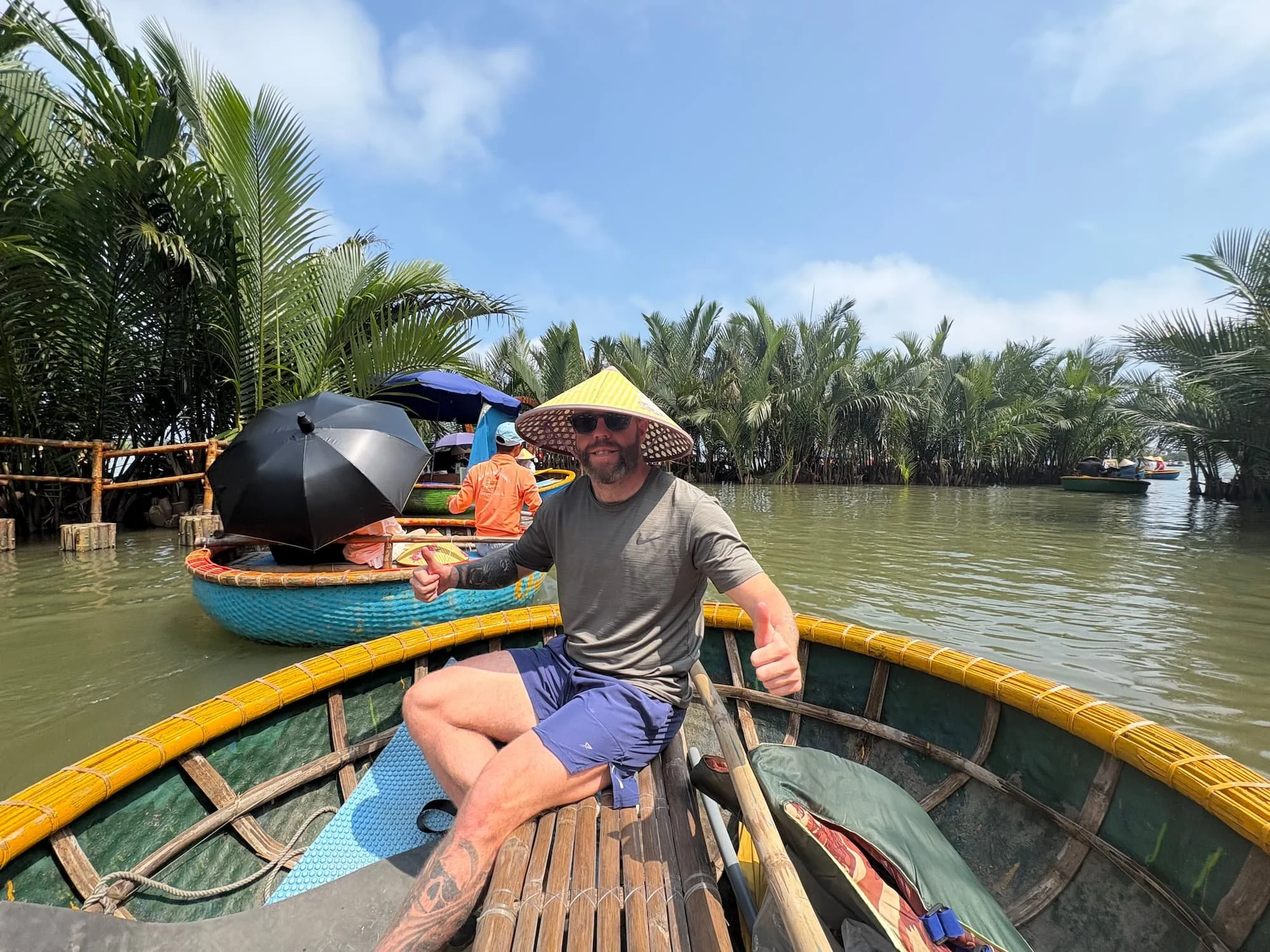
My favourite moment.
Morning: Empty streets in Hoi An Old Town.
I started the morning early, heading back into the Ancient Town just after sunrise.
This was one of my favourite moments in Hoi An, it was a world away from my Hanoi experiences.
The streets were almost empty, and still filled with lanterns, but it was a completely different experience compared to the lit up streets the night before.
I found walking the riverside at this hour was especially peaceful. There was the odd skipper waiting for the busy day ahead, but very few tourists were around
If you enjoy photography, this is easily the best time to explore Hoi An Old Town.
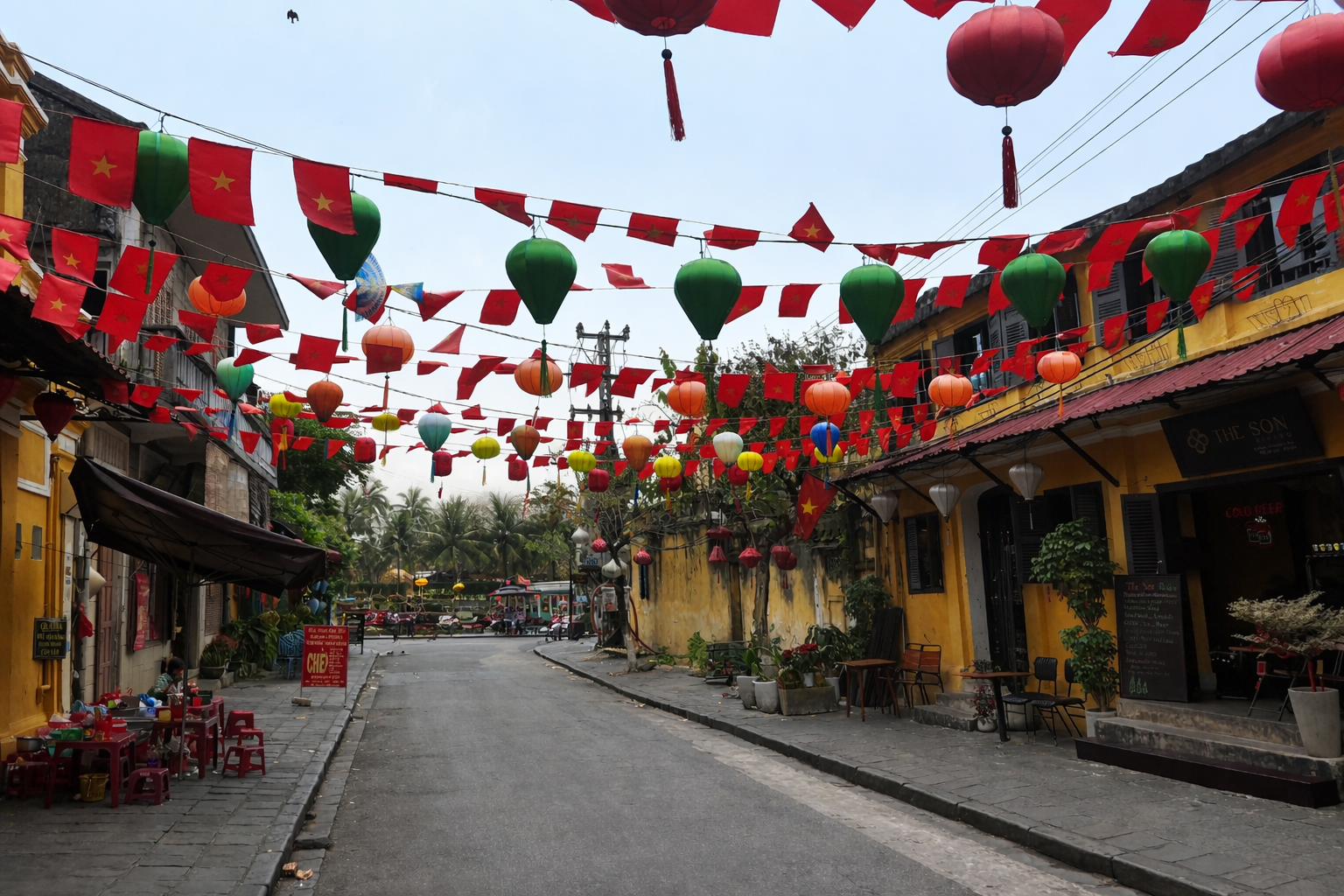
Hoi An is a ghost town first thing.
With the empty streets I could fully focus on the beautiful architecture in Hoi An, and that’s when the town really shines.
Without crowds, the details stand out, with faded yellow buildings, wooden shutters, tiled roofs, and small courtyards shaped by centuries of living.
It felt very different to places I had visited earlier in my trip, like Phung Hung Mural Street in Hanoi, where murals tell stories of the past through modern creativity. Hoi An doesn’t reinterpret its history, it is still very much in it.
The buildings here are functional, lived-in, and still used exactly as they were intended.
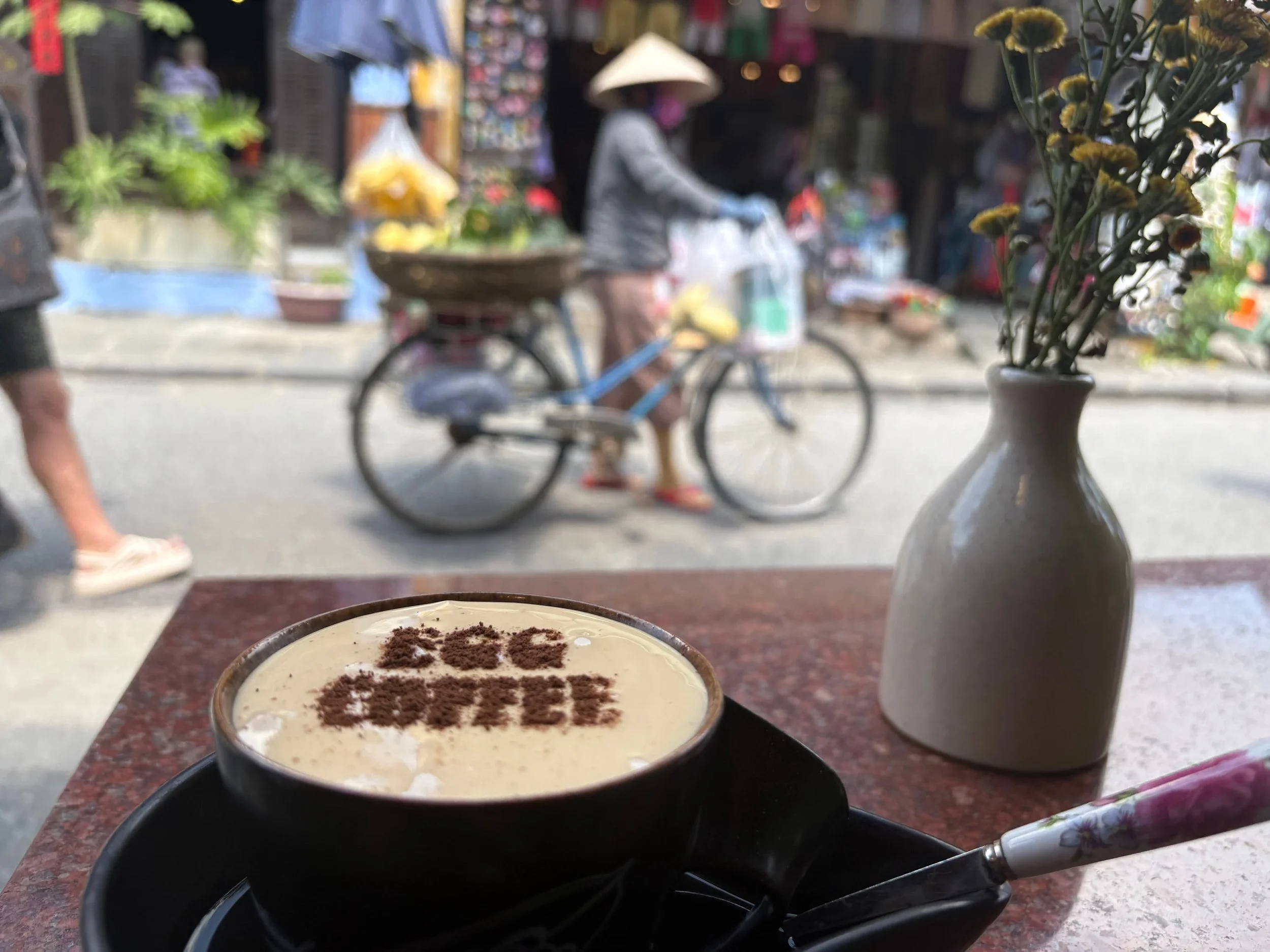
I can also confirm that a nice sit down with an egg coffee, with some peace and quiet, was bliss, and this is a side of Hoi An many never experience.
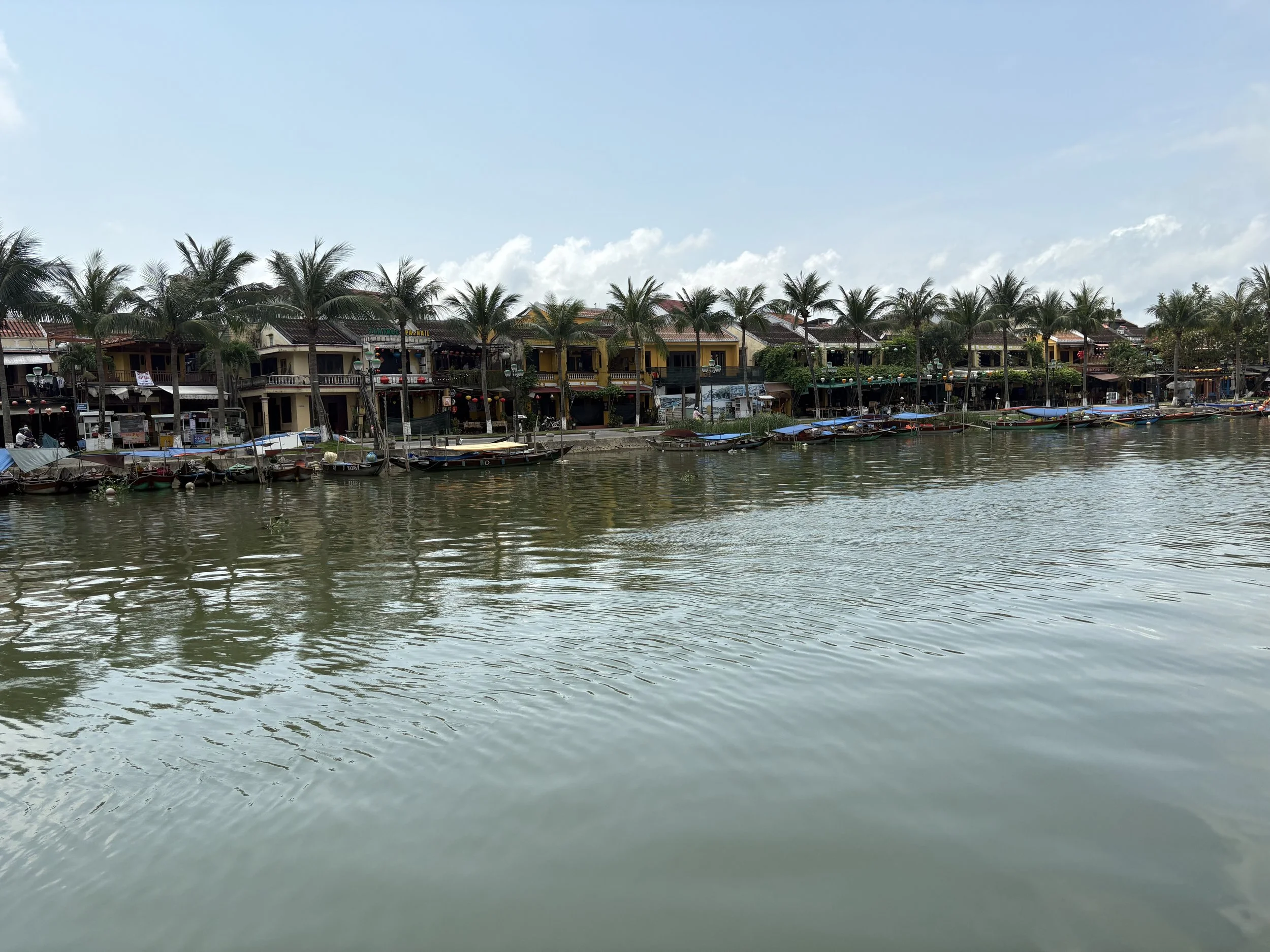
A quiet riverside in the morning.
Early afternoon - Coconut Basket Boats in Cam Thanh Coconut Village.
Without a doubt, the coconut basket boat tour was easily one of the most fun experiences I had in Hoi An, and honestly, one of the most memorable tours of my entire Vietnam trip.
From the moment I stepped into the round bamboo boat at Cam Thanh Coconut Village, and posed with my straw hat on, it was clear this wasn’t going to be a quiet float down the river.
My boat driver was full of energy, cracking jokes, singing, dancing, and somehow managing to steer, entertain, and take photos all at the same time… He earned his tip!
He didn’t mind acting photographer on demand, and he was needed often, as we glided through some very picturesque nature.
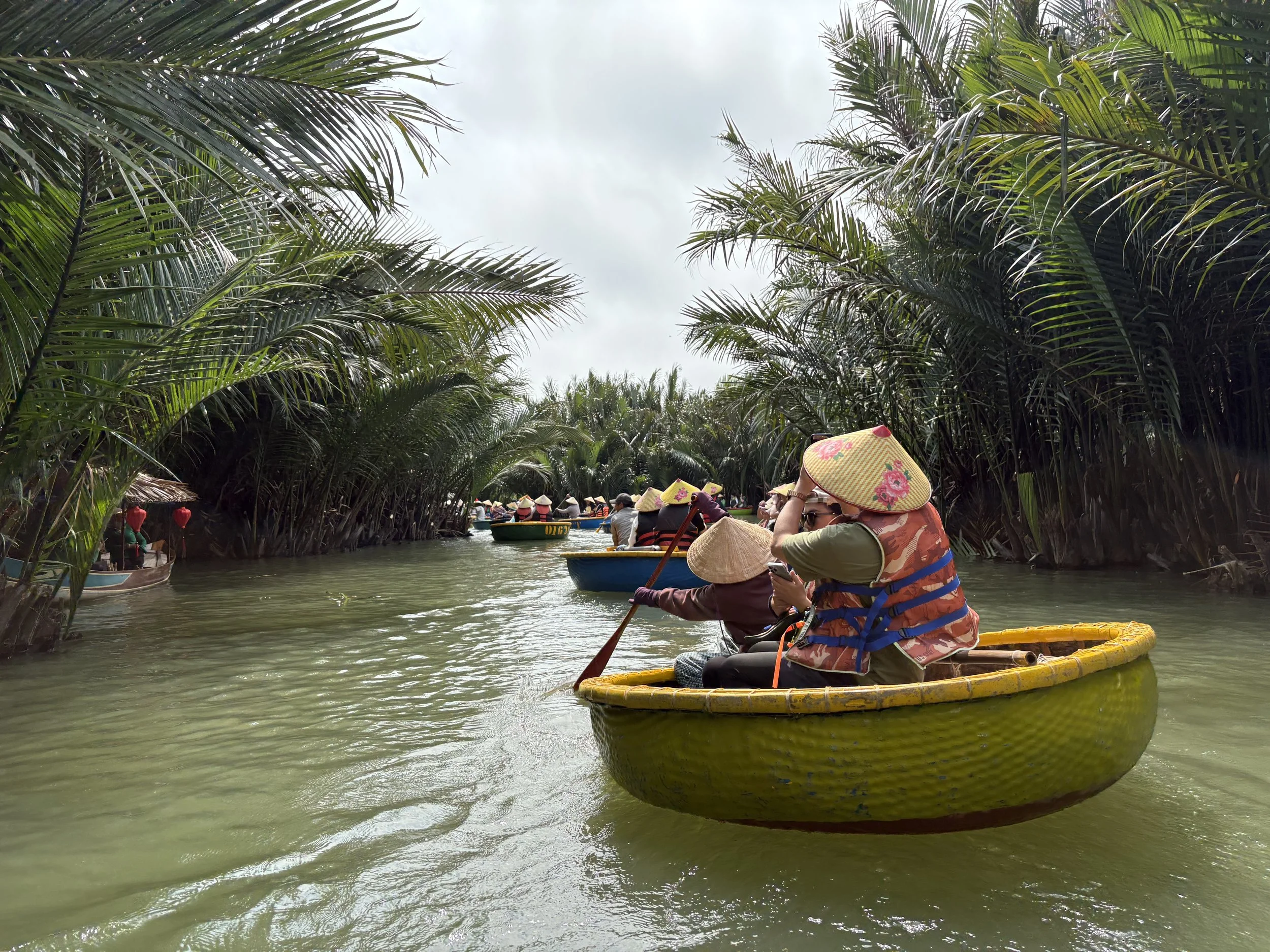
Just gliding through the Vietnamese jungle.
The spinning was the unexpected highlight of our awesome tour.
Exhilarating, slightly chaotic, and impossible not to laugh through, however, I felt very dizzy afterwards, so it doesn’t come for free.
It felt playful rather than staged, and all of the guides genuinely put effort into making sure everyone was having a good time.
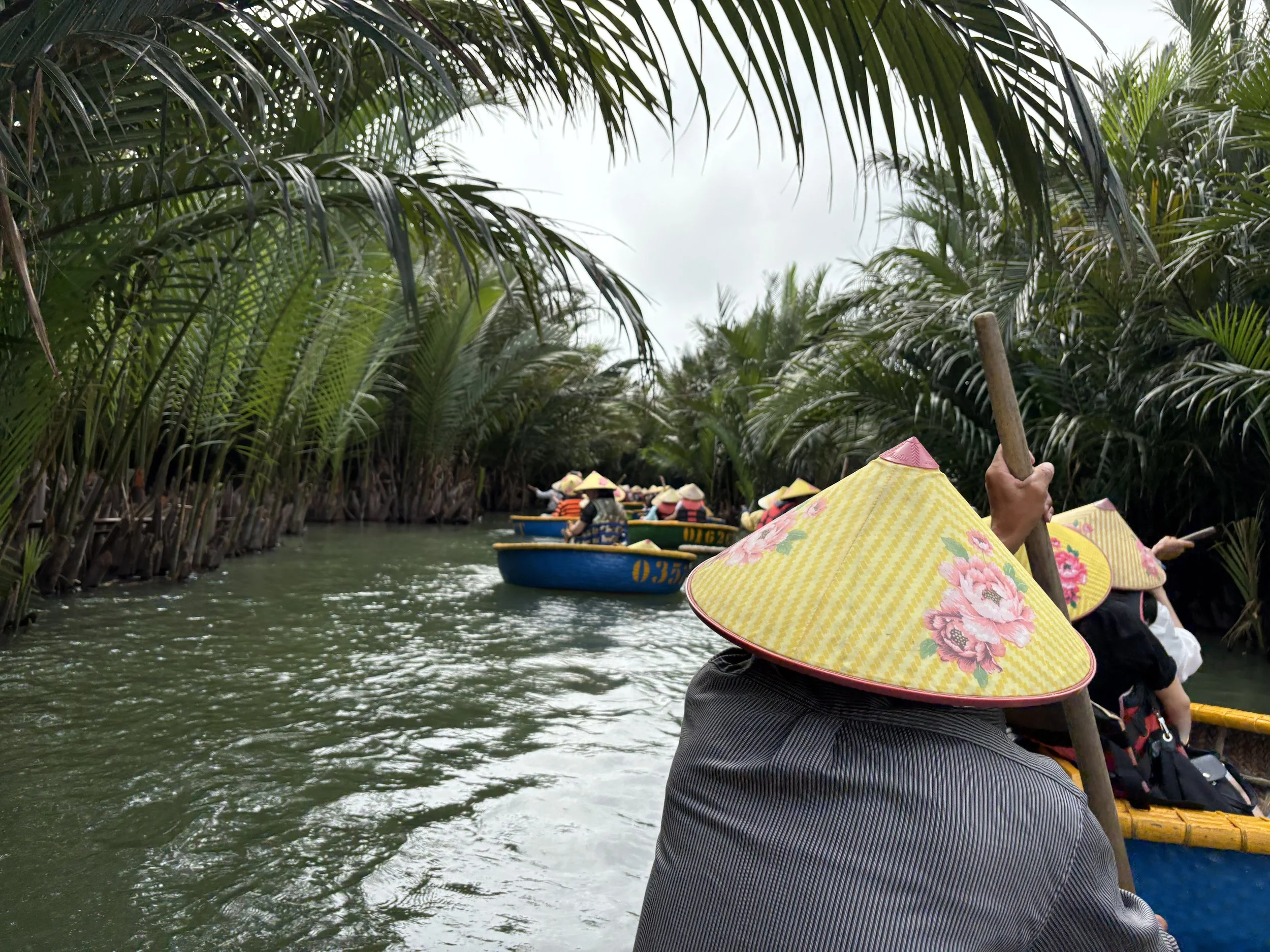
A fun moment.
I loved how good the vibe was throughout the experience.
All around me, the staff were friendly, relaxed, and clearly proud of what they do.
Some tours also include lantern making afterwards, which is a lovely extra and a great souvenir to take home.
It didn’t feel rushed, it didn’t feel pushy, just some very friendly locals creating a genuinely fun experience.
👉 If you’re choosing just one countryside activity in Hoi An, this coconut basket boat tour is the one I’d recommend.
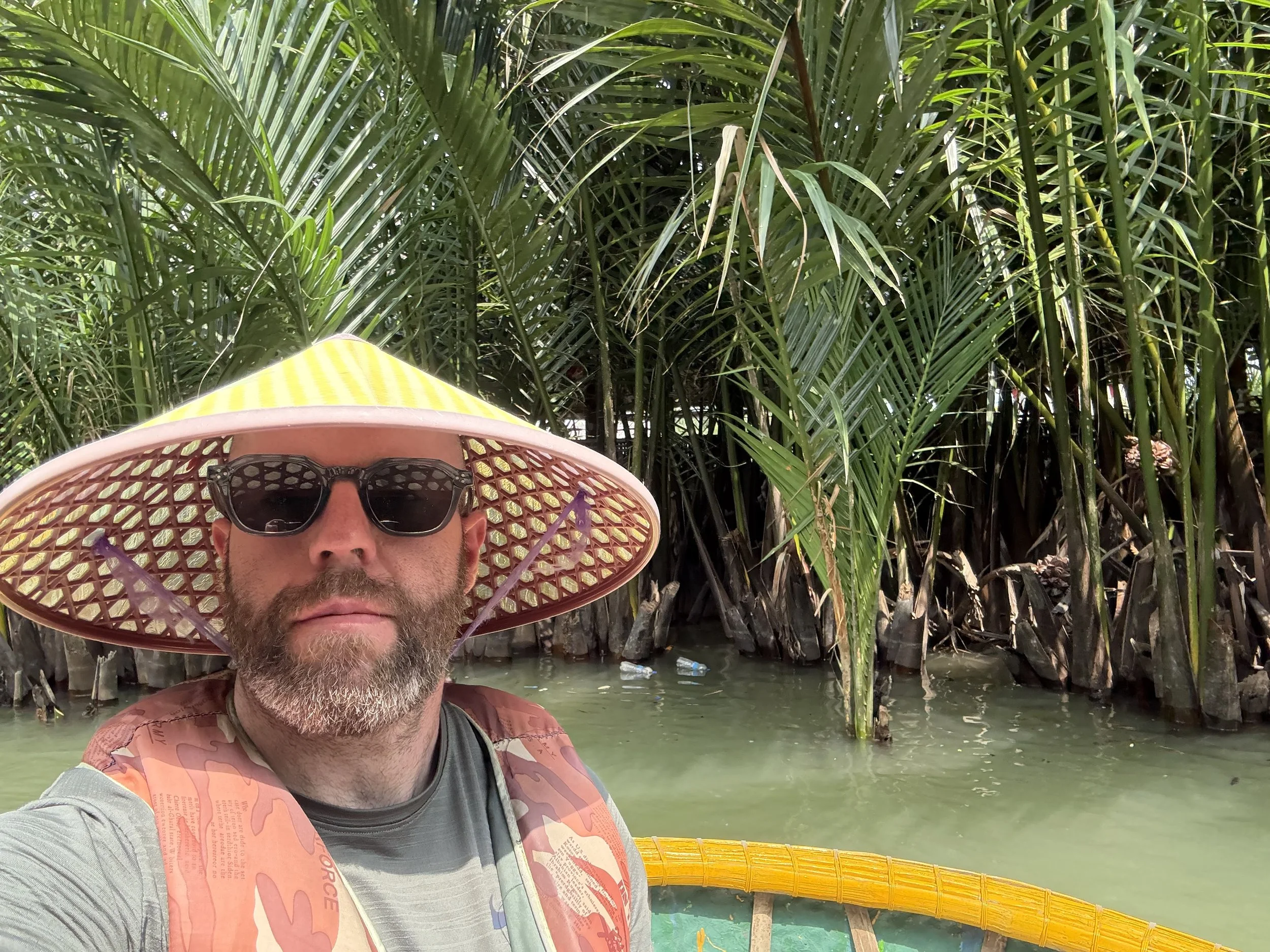
Jungle selfie.
Afternoon - Local market visit & cooking experience.
Later in the afternoon, I got more involved with the local way of life, through a market experience and cooking class.
Hoi An is one of the best places in Vietnam to take a Vietnamese cooking class, and as mine did, most experiences begin with a guided visit to a local market.
The cooking class ended up being one of my favourite experiences in Hoi An, and it started long before we even started cooking.
We began with a guided walk through Hoi An Market, which was full-on, but in a good way.
The colours, smells were a sensory overload, but so interesting, and having a local guide made all the difference.
Our guide and chef, Li, explained what everything was used for, where it came from, and how it fits into everyday Vietnamese cooking. Even a vegetarian in our tour group felt completely catered for, as they offer great alternatives for every dish.
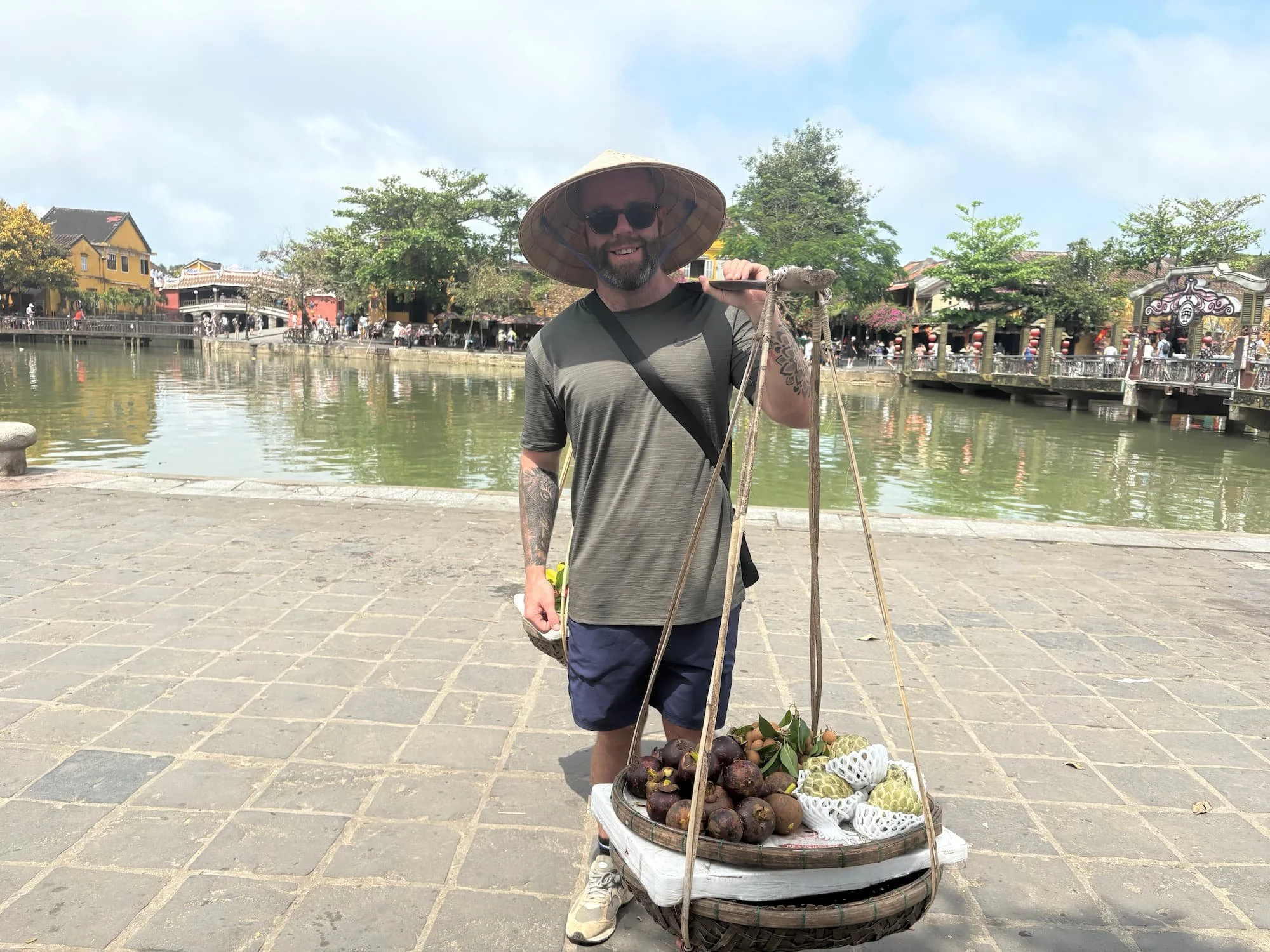
Collecting the fruit.
After the market, we headed to a beautiful outdoor kitchen space, which immediately set the tone… It felt relaxed, social, and very welcoming.
Li was fantastic throughout, explaining techniques clearly, helping everyone individually, and keeping the atmosphere fun.
We cooked four traditional Vietnamese dishes, including fresh spring rolls, and every single one turned out better than I ever expected.
The best part came at the end, sitting down at a long table with people I’d only just met, sharing the food we’d cooked together. Our guide genuinely loved what she was doing, which made it a memorable travel experience.
If you enjoy food-focused travel, this popular Hoi An cooking class with market visit is a great way to spend an evening and one of the most rewarding experiences in town.
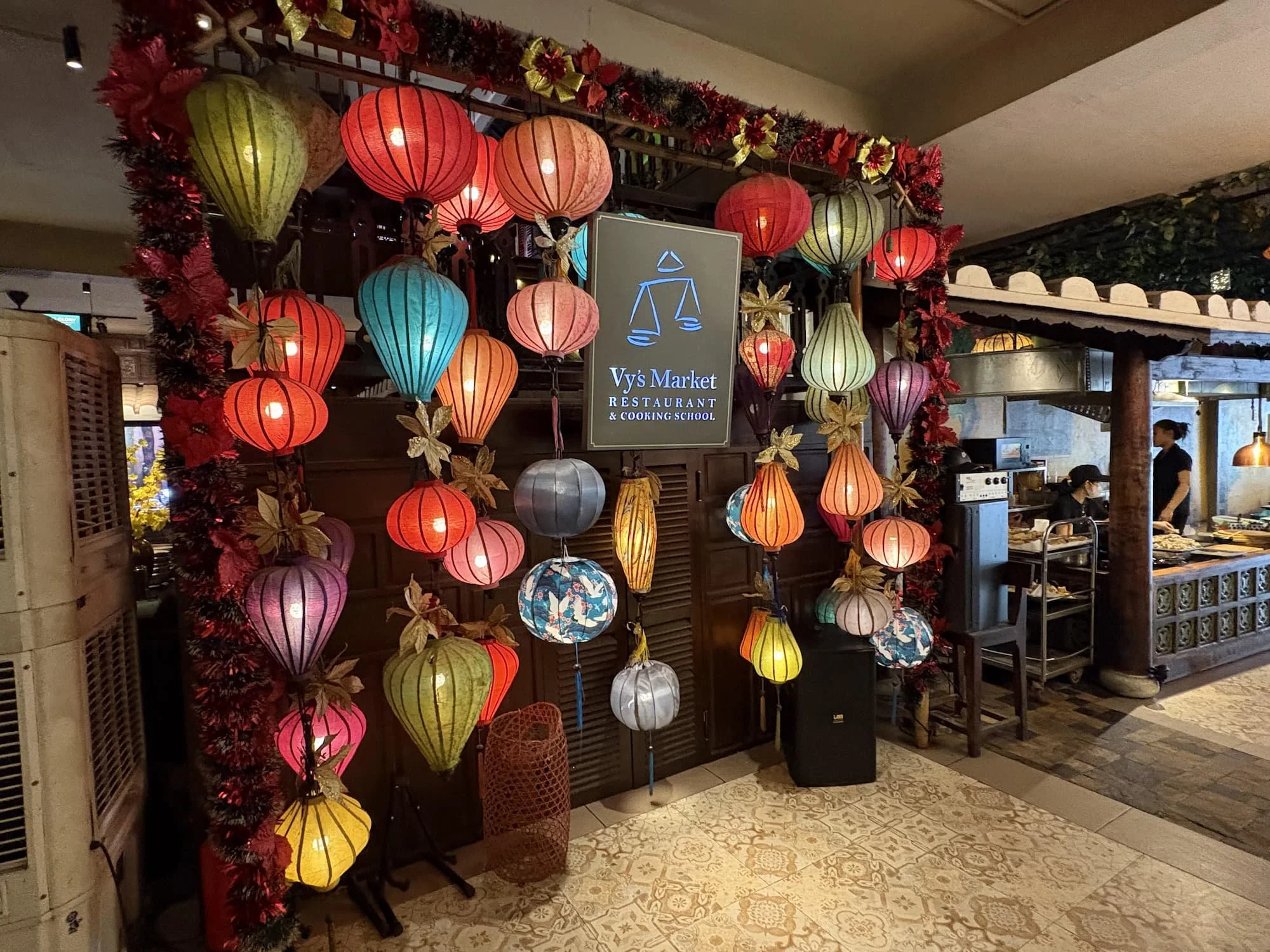
A highly rated cooking school.
Day 3 – An Bang Beach.
After two days exploring Hoi An’s Old Town and countryside, day three is all about the beach, and An Bang Beach is the perfect place to explore, or relax.
An Bang is the most popular beach near Hoi An, and for good reason.
It’s close enough to the Ancient Town to visit easily, but far enough away to feel relaxed and uncrowded compared to Vietnam’s bigger coastal cities.
I stayed in the popular My Khe Beach area of Da Nang for easy access to the beach, however, this isn’t necessary in Hoi An.
From the Old Town, it only took me around 10–15 minutes by scooter, however, bicycle rental is also very popular, and many hotels can arrange this for you.
The beach itself is long, sandy, and lined with laid-back cafés and beach bars rather than high-rise hotels.
That’s what gives An Bang its charm. It feels casual and local, with sun loungers scattered along the shore and restaurants serving fresh seafood, smoothies, and cold drinks just steps from the sand.
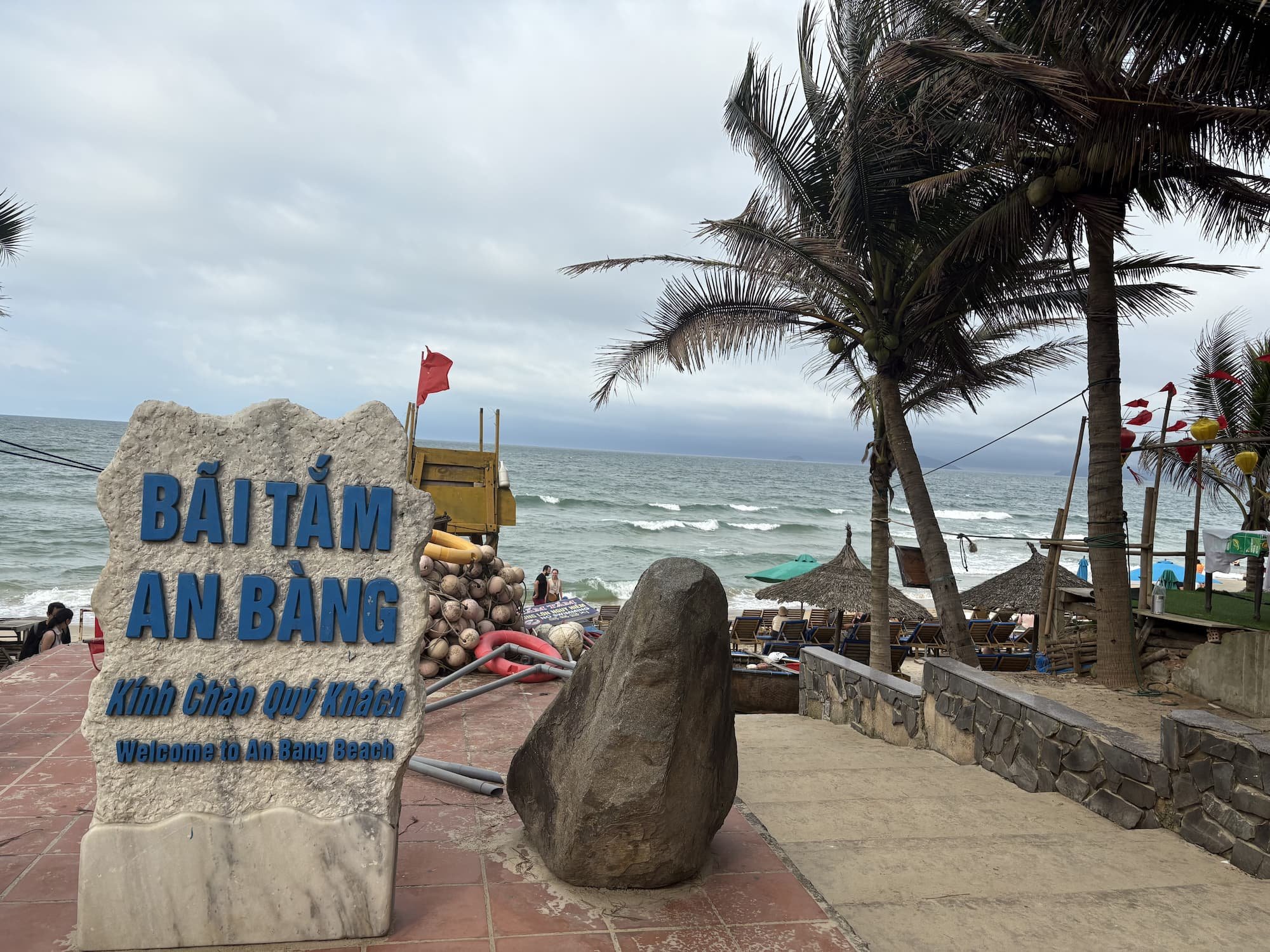
Arrived on a windy, but hot day.
One thing I noticed straight away was how different the atmosphere felt compared to my time Da Nang.
Da Nang feels like Miami, with wide beaches, plenty of palm trees, and a modern skyline.
An Bang, on the other hand, is more intimate and low-key… Both are great, but An Bang takes the win for a relaxing beach.
An Bang brought another change of pace on my South East Asia trip.
Weather-wise, An Bang is warm year-round, but it can often be windy, especially from late morning onwards.
On hotter days, that breeze is actually a bonus, keeping things comfortable even when the sun is strong. Swimming conditions are usually good in the dry season, though like most of central Vietnam, the sea can get rougher during the rainy months.
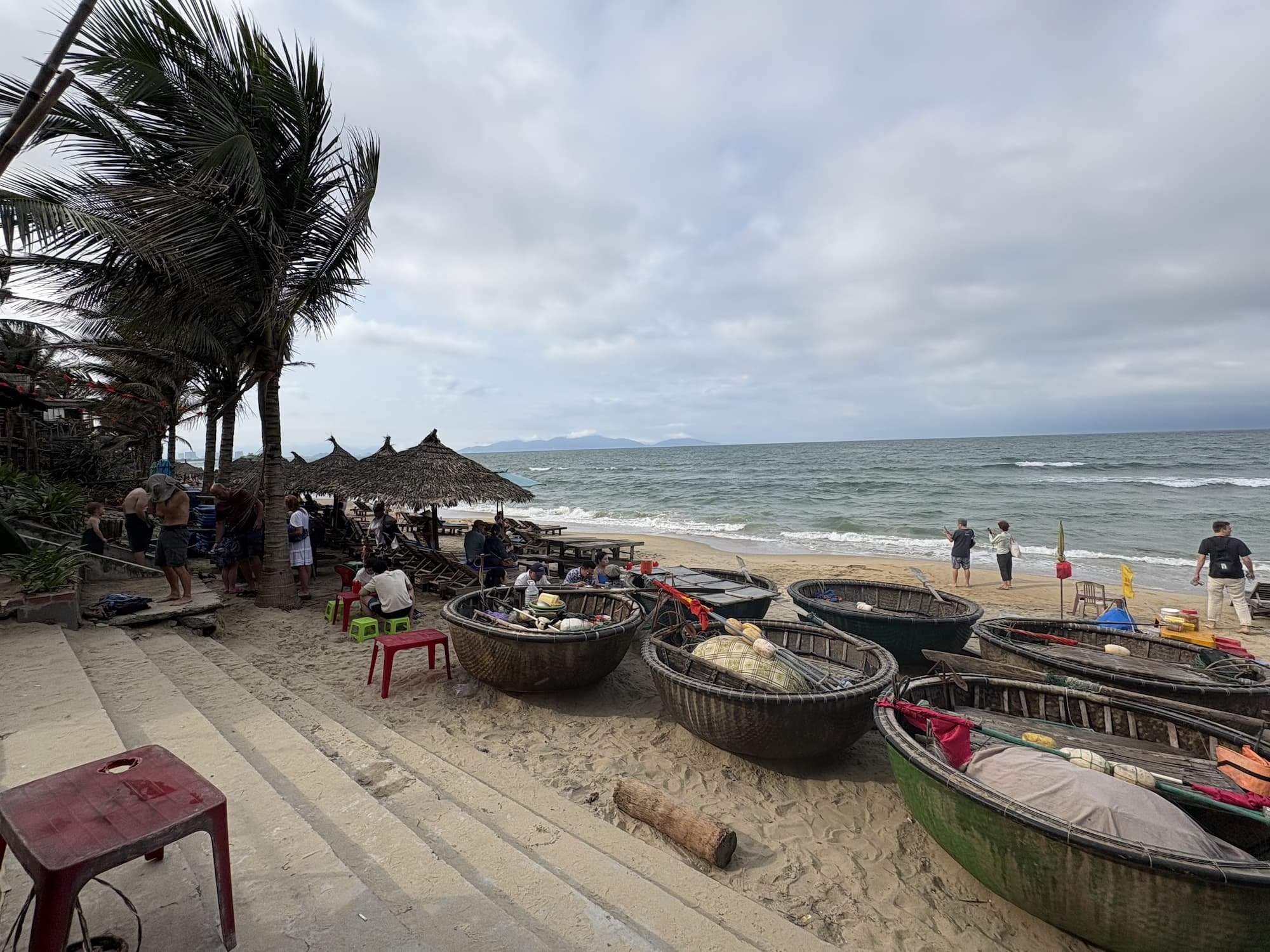
Basket boats on An Bang Beach in Vietnam.
I spent most of my time here chilling, swimming, writing, and eating lunch at a really nice Italian restaurant breaking up my sunbathing and naps.
After a busy Vietnam itinerary that included busy cities and cultural day trips, my chill day at An Bang was much needed.
If you’re visiting Hoi An for three days, this beach day balances the trip perfectly.
You need to experience the beach in Central Vietnam, it is so good!
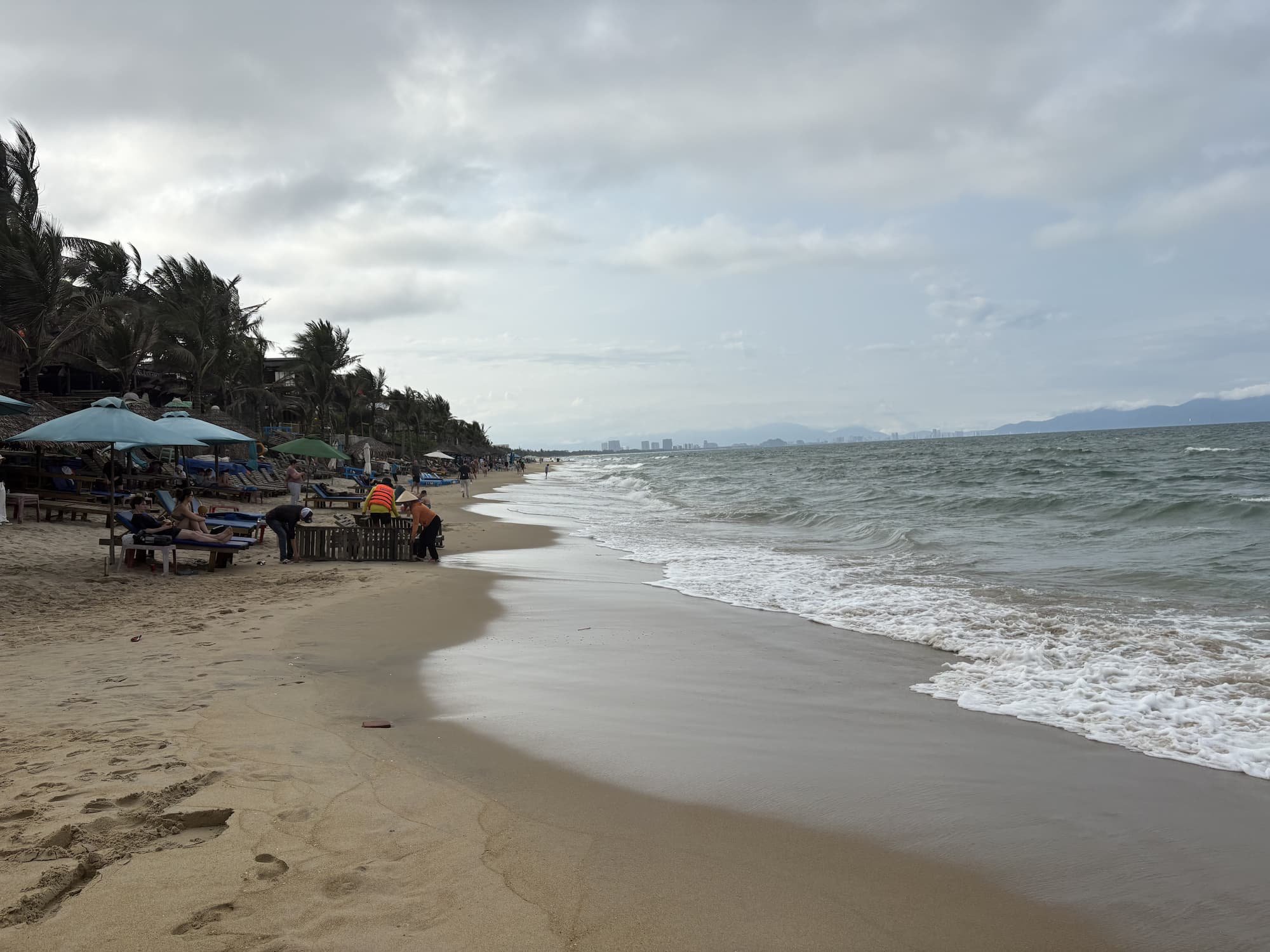
A beautiful coastline.
Which Hoi An experience was my favourite?
If I had to pick just one experience in Hoi An, it would be the coconut basket boat tour.
I just loved gliding through the jungle with my local friend…
The narrow waterways lined with dense coconut palms is a world away from the lantern crowds of the Old Town.
The scenery is calm, very green, and surprisingly peaceful, however, my experience was a long way from this, with so many laughs, awesome photos, and feeling like a local wearing my straw hat.
The local boatmen turn what could be a simple ride into something very memorable, sharing stories, laughing, and showing off impressive (and slightly chaotic) spins along the way.
👉 If you’d like to experience it yourself, this highly rated coconut basket boat tour in Cam Thanh Coconut Village is the one I’d recommend.
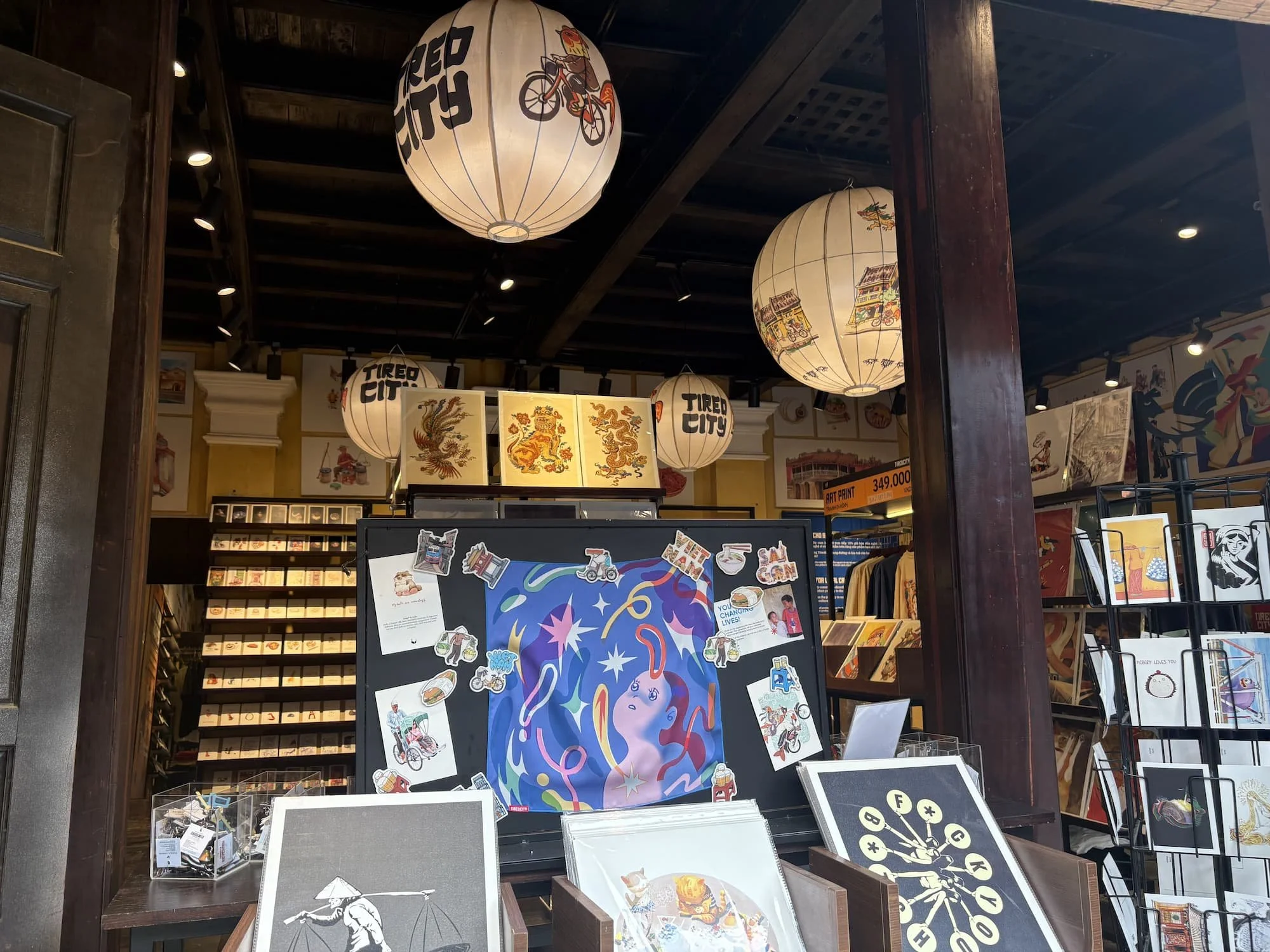
I love the quirky shops throughout Hoi An.
The Hoi An Ancient Town Ticket.
If you’re visiting Hoi An Ancient Town, you’ll quickly hear about the Hoi An Ancient Town ticket, and it often causes confusion.
Here’s the simple breakdown.
You do not need a ticket to walk around the Old Town.
You can freely explore the streets, riverside paths, cafés, lantern areas, and night markets without paying anything.
However, to enter the historic buildings, which is the true Hoi An, you will need a ticket.
What does the ticket include?
The ticket allows entry to five heritage sites, chosen from:
Ancient merchant houses.
Chinese assembly halls.
Small museums.
The Japanese Covered Bridge (My favourite).
You don’t have to use all five at once, which works well if you’re on a longer Vietnam itinerary, and in Hoi An for a few days.
How much is the Hoi An Ancient Town ticket?
120,000 VND (around £4 / $5).
Purchased at ticket booths around the Old Town.
For a UNESCO World Heritage Site, it’s very affordable, and helps fund preservation.
Is it worth it?
Yes, especially if you’re staying 2–3 days.
If you’re only visiting briefly, you can skip it. But if Hoi An is a proper stop on your Vietnam itinerary, the ticket adds depth and meaning to your time here.
👉 Hoi An Old Town easily earns its place in my best things to do in Vietnam list, alongside Hanoi’s famous cafes, the Cu Chi Tunnels, and Ha Long Bay.
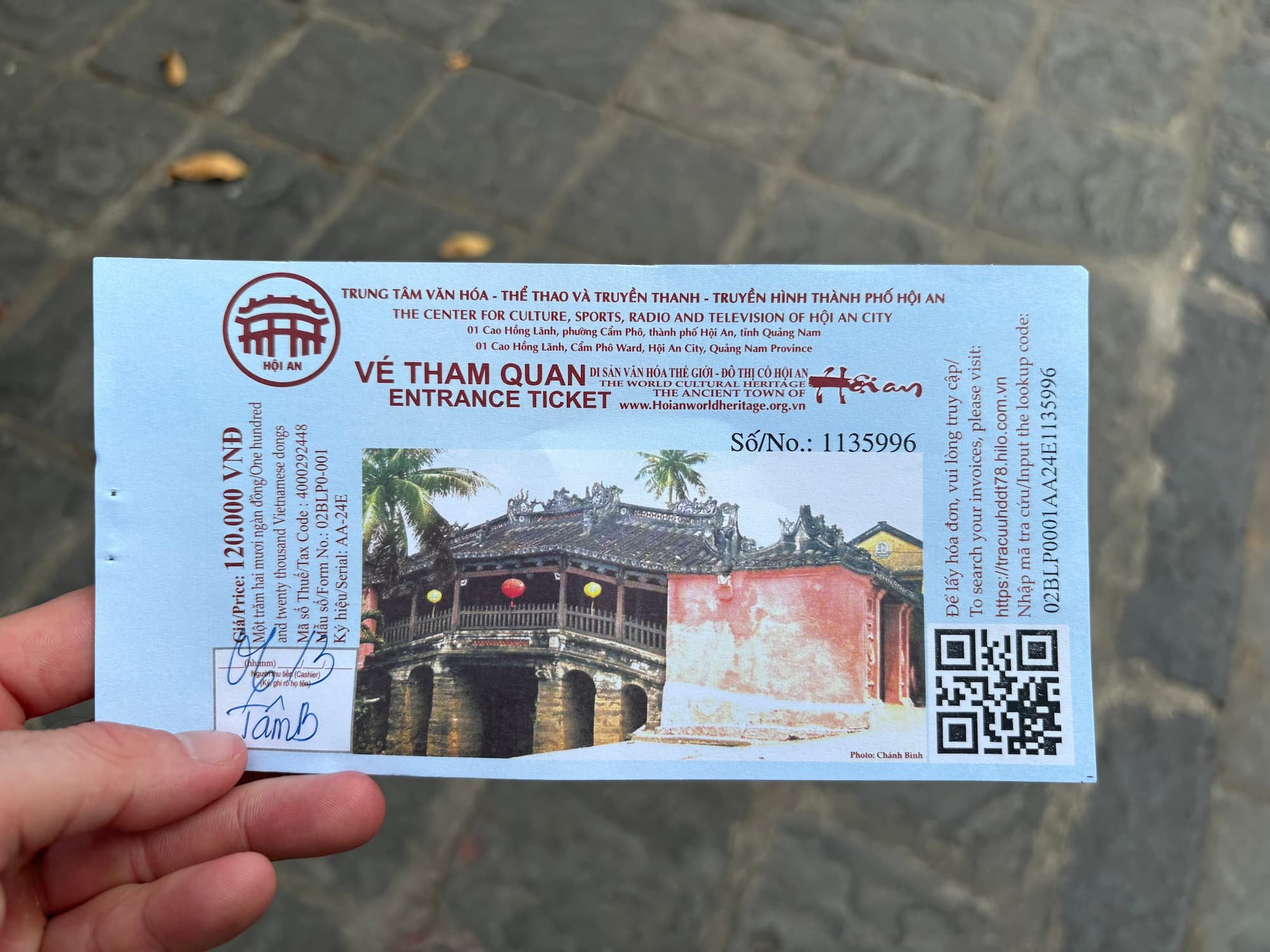
The famous Hoi An Ancient Town Ticket.
Hoi An Ancient Town Private Walking Tour Option.
Hoi An’s Old Town is beautiful to explore alone, but a private walking tour shows you why it looks the way it does.
With a local guide, you’ll understand Hoi An’s history as a trading port, the mix of Vietnamese, Chinese, and Japanese influences, and the stories behind the merchant houses you walk past.
My private tour was at a relaxed pace, with plenty time for questions, and access to quieter corners most visitors miss.
Tours usually last 2–3 hours and are best done early morning or late afternoon, when the Old Town is cooler and far less crowded.
👉 If you want one experience that adds real depth to your visit, this is it.
A private walking tour is the easiest way to truly understand Hoi An Ancient Town beyond the lanterns.
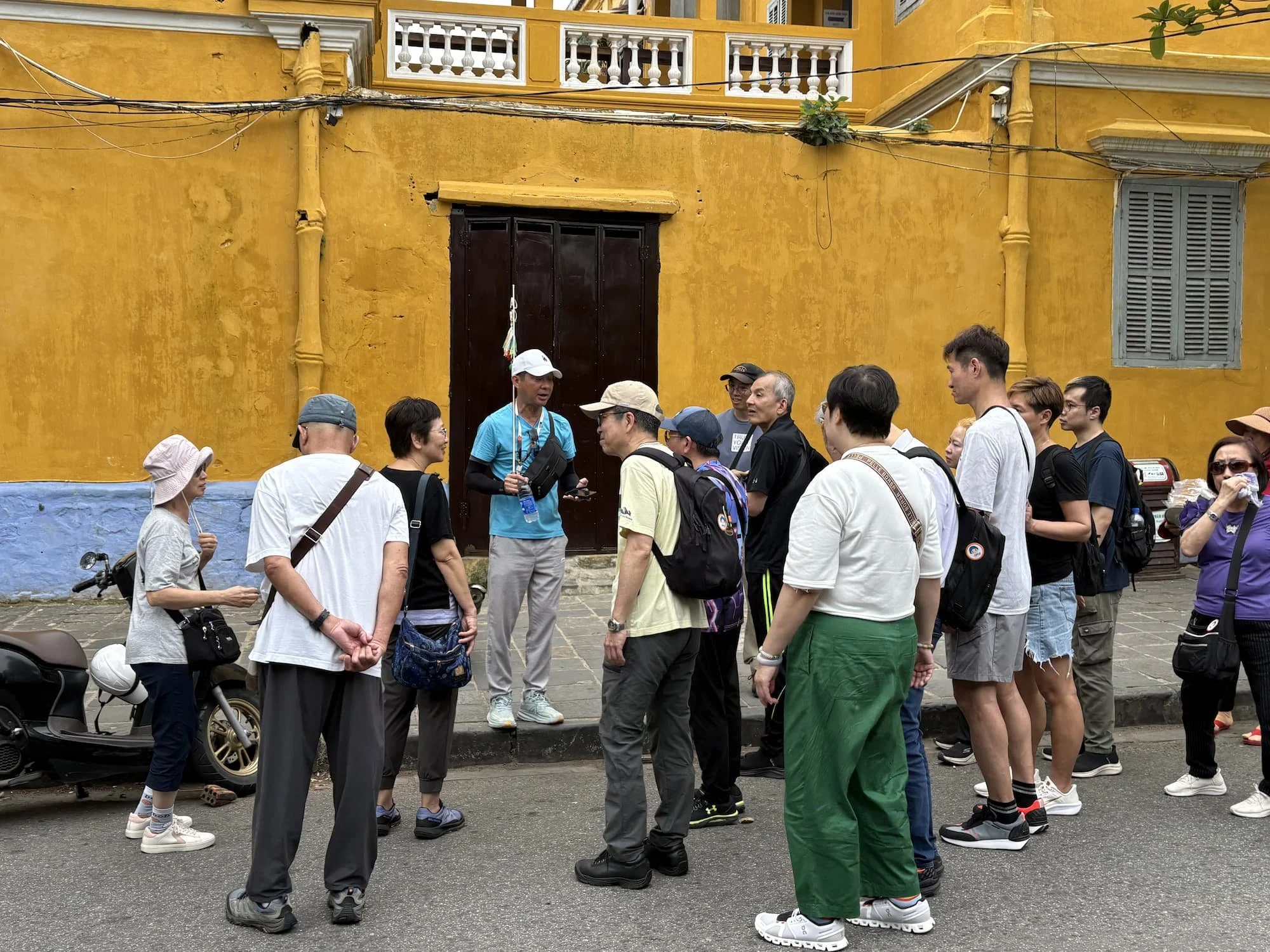
A fascinating tour.
FAQ: Planning Your 3 Days in Hoi An (2026).
Is Hoi An worth visiting?
Yes, Hoi An is absolutely worth visiting, especially if you enjoy atmospheric towns, culture, food, and slower travel.
Hoi An feels completely different from Vietnam’s bigger cities. Instead of traffic and noise, you’ll find lantern-lit streets, riverside cafés, historic yellow buildings, and a calm pace that’s hard to beat. It’s one of the best places in Vietnam to simply wander without an agenda.
For first-time visitors to Vietnam, Hoi An often becomes a highlight of the entire trip, not because it’s packed with attractions, but because of how it makes you feel.
If you’re deciding whether to include it in your route, I’d say Hoi An is one of the most rewarding stops in central Vietnam.
Is Hoi An better than Da Nang?
It depends on your travel style, but I found Hoi An and Da Nang to offer very different experiences.
Hoi An is best for:
Culture and history.
Atmosphere and Instagram spots.
Cafés, lanterns, and slow evenings.
Short, walkable days.
Da Nang is better for:
Beaches and resorts.
Modern city comforts.
Day trips (Marble Mountains, Lady Buddha).
Digital nomads and longer stays.
Many travellers do both, staying in Hoi An for charm, and visiting Da Nang for beaches or flights. If you’re choosing just one, Hoi An suits first-time visitors better, while Da Nang works well for longer, beach-focused trips.
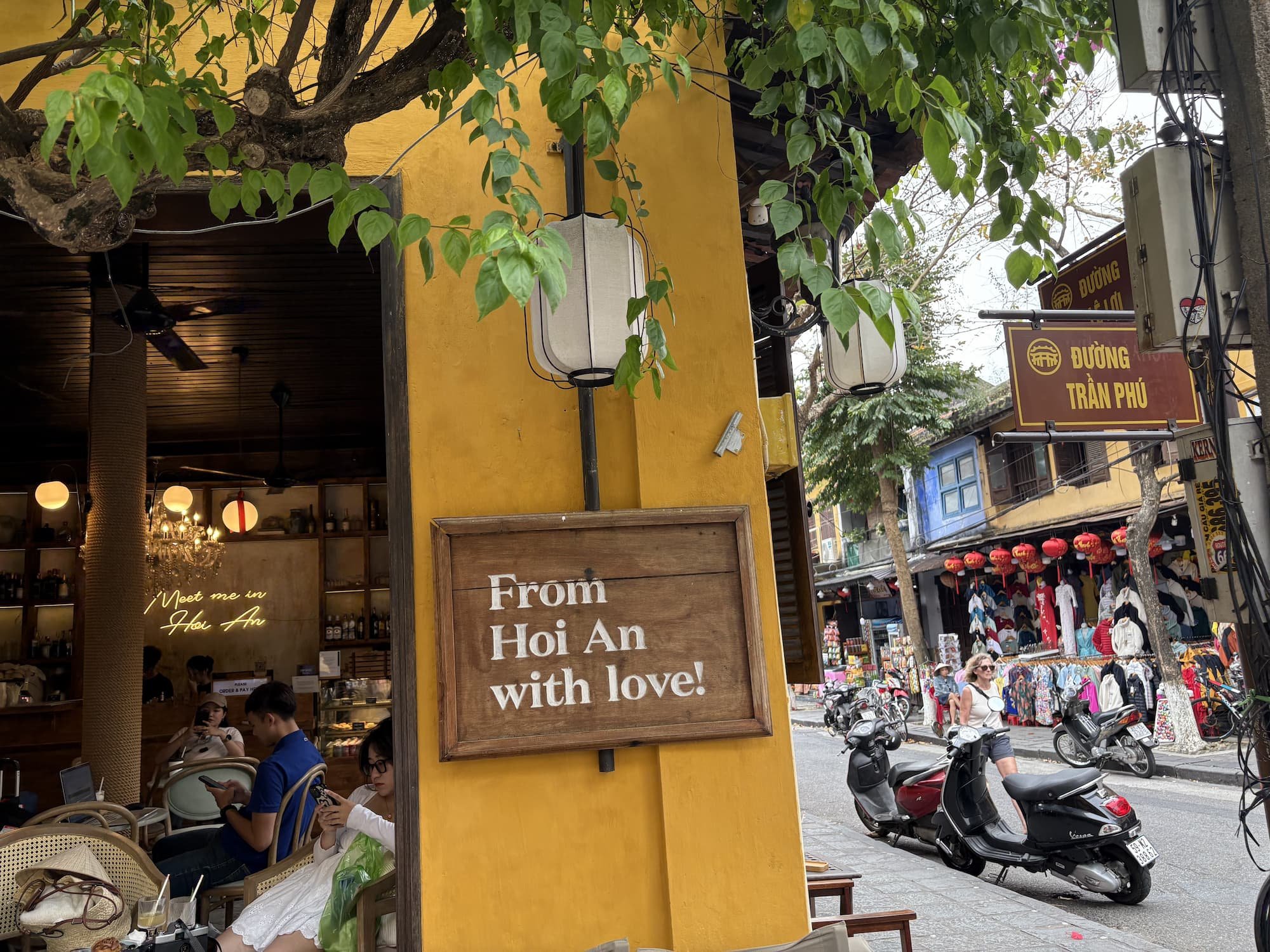
A lovely town.
What’s the best time of year to visit Hoi An?
The best time to visit Central Vietnam, like Hoi An and Da Nang is from February to April.
During these months you’ll get:
Warm temperatures (25–30°C).
Lower humidity.
Minimal rainfall.
Comfortable walking conditions.
Other seasons to consider:
May–August: Hot and humid, but great for beaches.
September–November: Rainy season — flooding can occur.
December–January: Cooler, occasional rain, fewer crowds.
If you want the best balance of weather and atmosphere, spring is ideal.
Is Hoi An safe for tourists?
Yes, Hoi An is very safe for tourists, including first-time visitors.
It’s one of the safest places in Vietnam, with:
Low crime rates.
Friendly locals.
A relaxed, walkable layout.
The main things to watch out for are minor issues like:
Pickpocketing in crowded evening areas.
Overpriced souvenirs in tourist shops.
As long as you use common sense, Hoi An is an easy and stress-free destination, even at night.
Can you swim year-round in Hoi An?
Not year-round, but most of the year, yes.
Best swimming months: March to August.
Sea conditions: Calm and warm during dry season.
Rainy season (Oct–Nov): Rough seas, swimming often not recommended.
An Bang Beach and Cua Dai Beach are both great options when conditions are right. If beach time matters to you, plan your visit outside the rainy season.
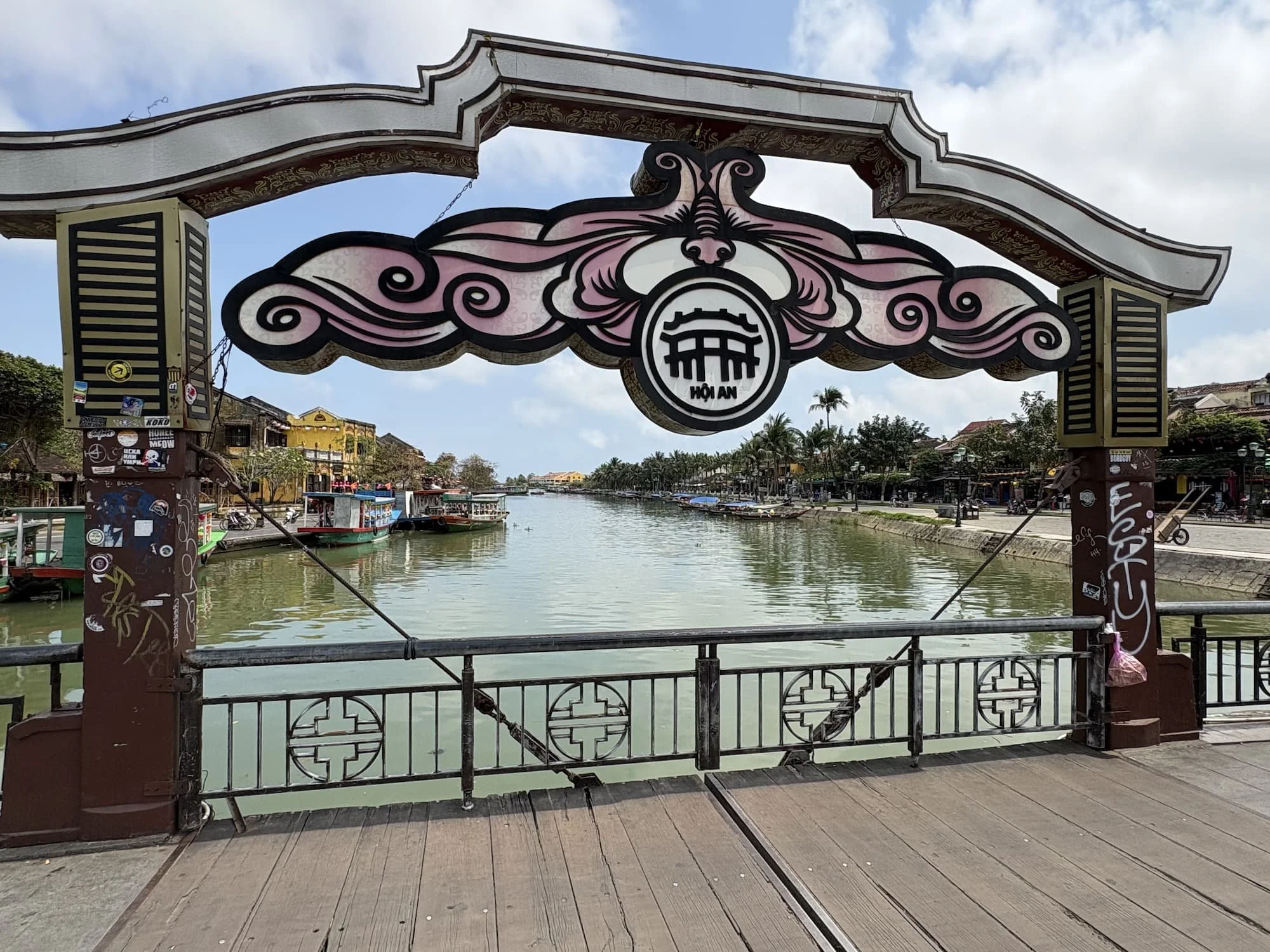
The main river.
Do you need tickets for Hoi An Old Town?
Yes — technically, you need a Hoi An Old Town ticket to enter certain historic sites.
The ticket includes access to:
Ancient houses.
Assembly halls.
Museums.
The Japanese Covered Bridge.
You don’t need a ticket just to walk around the streets, but you’ll be asked to show one at major attractions. Tickets are affordable and help preserve the Old Town, so they’re worth buying if you plan to explore properly.
Is Hoi An good for solo travellers?
Yes, Hoi An is excellent for solo travellers.
It’s:
Safe and easy to navigate.
Social without being overwhelming.
Full of group activities (cooking classes, tours, cafés).
Solo travellers often find Hoi An especially enjoyable because it encourages slow days, people-watching, and casual conversations, without the intensity of bigger cities like Hanoi or Ho Chi Minh City.
If you’re travelling Vietnam alone, Hoi An is one of the most relaxing stops on the route.
Disclosure: I sometimes use affiliate marketing. This will not cost you anything, but helps with my travel costs. I only recommend companies I use myself.