
Skratch eSIM for Europe: My Barcelona & Lisbon Experience.
As I stepped out onto the streets of Barcelona on my first morning, I had a rough itinerary in mind, but I already knew I wouldn't be sticking to it.
Within minutes, I was wandering beneath elegant apartment buildings, along tree-lined boulevards and through quiet side streets that seemed just as interesting as the famous attractions I'd planned to visit.
That quickly became the theme of both my trips to Barcelona and Lisbon.
While iconic landmarks like Casa Batlló and Lisbon's famous yellow trams were unforgettable, some of my favourite memories came from the unexpected moments in between. Hidden cafés, colourful neighbourhoods, creative spaces and incredible viewpoints often appeared simply by taking a different turn.
Travelling that way means staying connected is more important than you might think.
Whether I was navigating unfamiliar streets, finding a local café or making my way through Lisbon's steep hills, reliable mobile data gave me the confidence to keep exploring.
For both city breaks, I used the Skratch European eSim.
In this guide, I'll share how it helped me discover the creative side of two of Europe's most exciting cities.
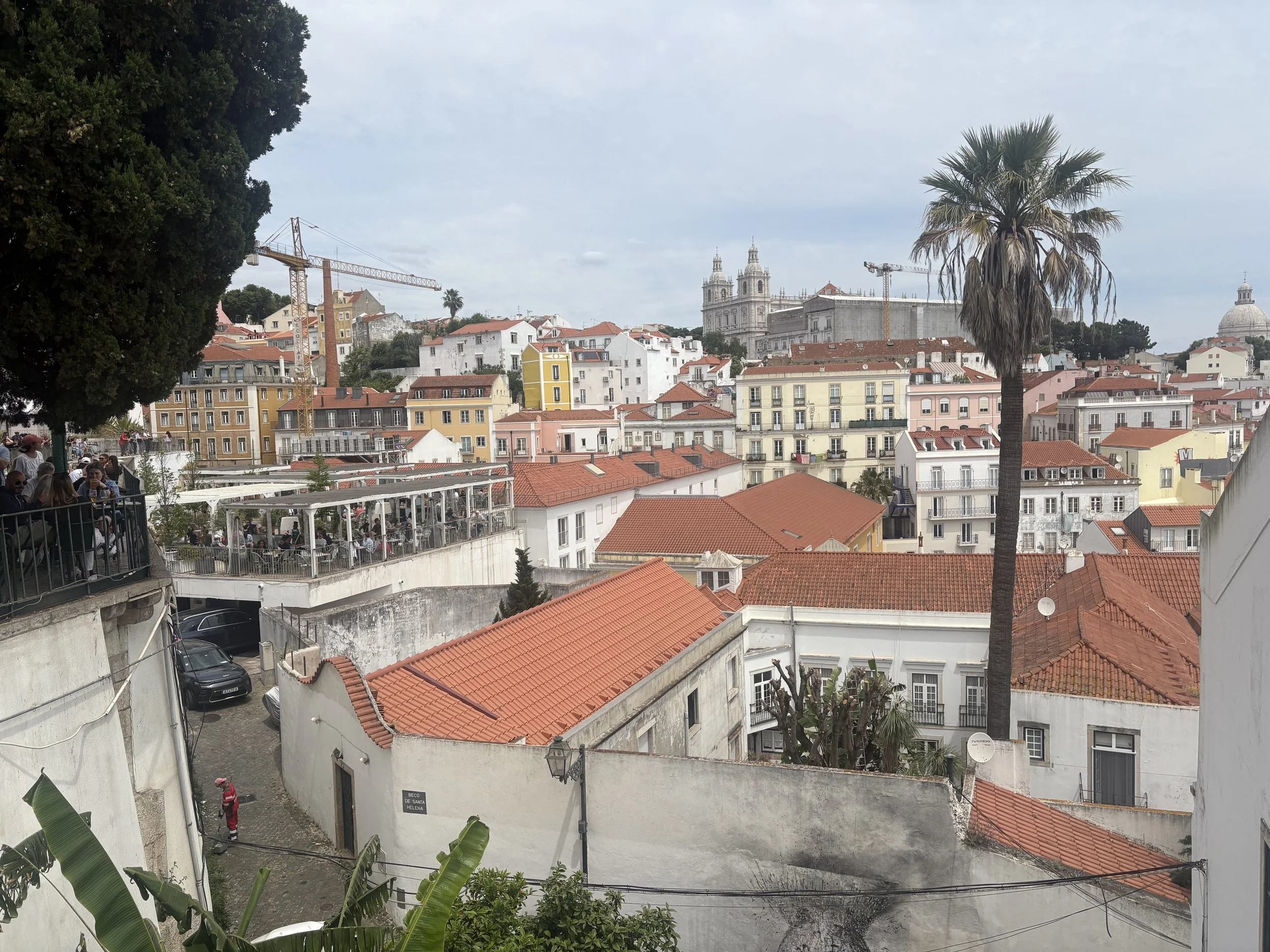
Looking across the rooftops of Lisbon while exploring the city's colourful hillside neighbourhoods.
Why I chose Skratch for my European trips.
Before heading to Barcelona and Lisbon, I knew I'd be relying on my phone throughout both trips.
It was my first time in both cities, and I knew that both Barcelona and Lisbon caters for all types of visitors.
Rather than buying a local SIM card after arriving, I decided to install the Skratch Europe eSIM before leaving the UK.
One of the biggest advantages was being able to use a single regional eSIM across multiple European countries, making it a convenient option not only for Spain and Portugal, but also for future trips around Europe.
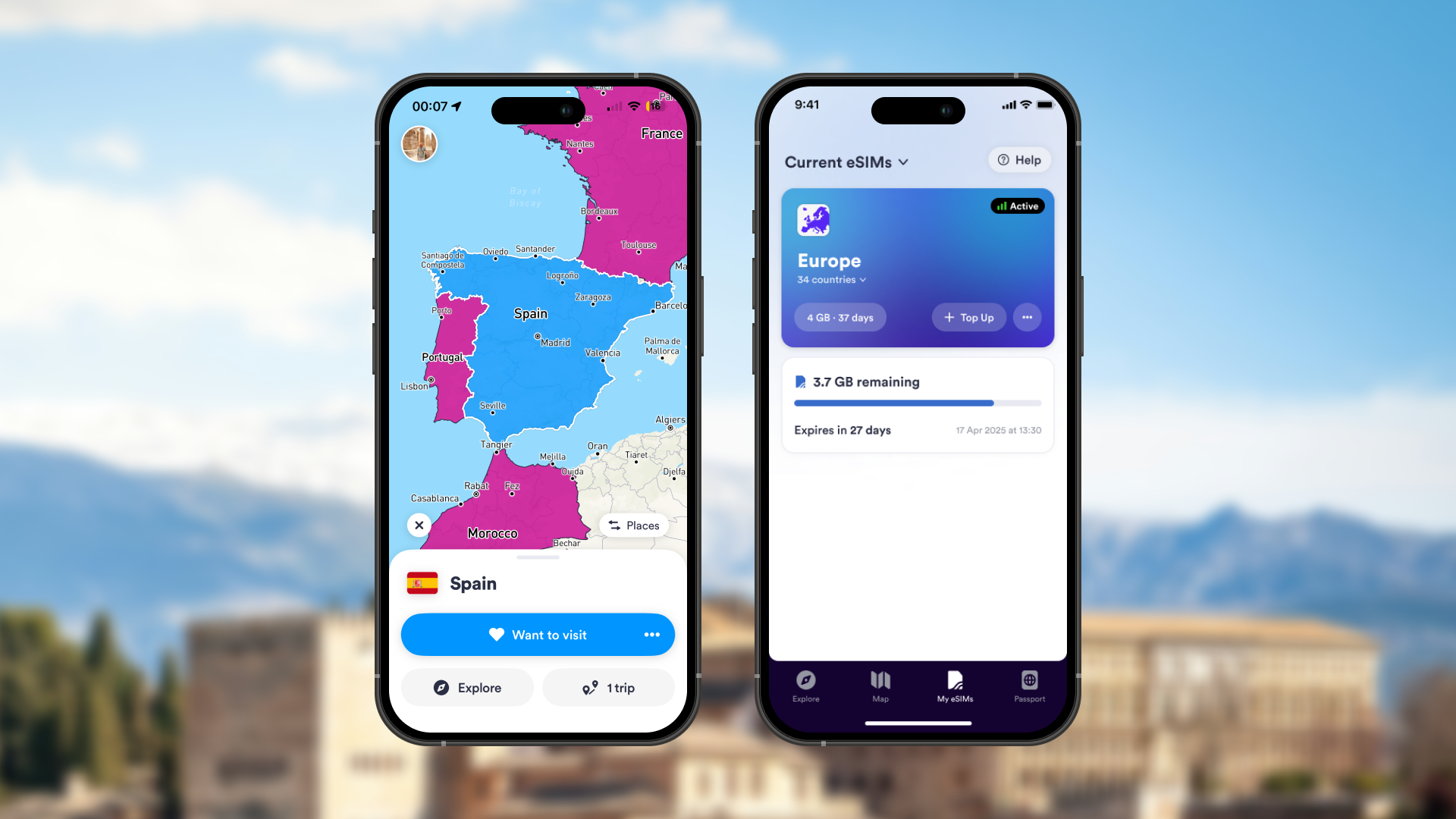
The Skratch app combines Europe eSIMs with travel planning features, including the ability to track countries you've visited and manage your data while travelling.
The app offers a range of data plans depending on the length of your trip, from short weekend city breaks to longer European adventures. I opted for a plan that comfortably covered both Barcelona and Lisbon, knowing I'd be regularly using maps, booking attractions and searching for local recommendations throughout each day
Once activated, you can monitor your remaining data directly in the app, receive usage alerts and top up in seconds if needed.
One thing that also caught my attention was that Skratch isn't simply an eSIM provider.
Alongside mobile connectivity, the app includes travel-focused features designed to help you keep track of where you've travelled, discover new destinations and build a personalised travel map over time.
I particularly liked the interactive travel map, which shows every country you've visited.
It's a nice addition that makes the app feel more like a complete travel companion rather than somewhere to simply purchase data. As someone who has travelled extensively across Europe and beyond, it was genuinely satisfying seeing my previous trips displayed in one place.
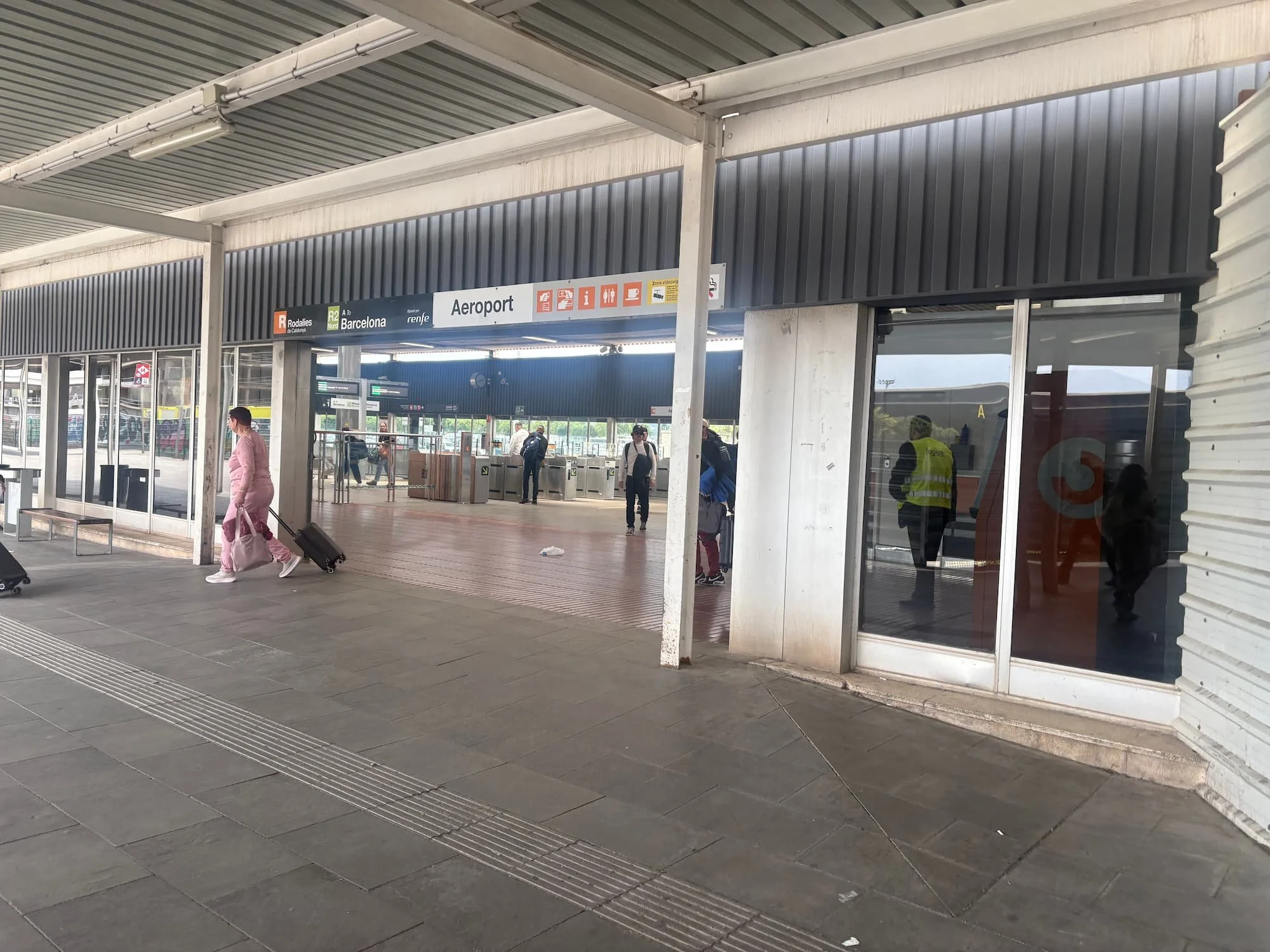
Arriving at Barcelona Airport Metro station before making my way into the city centre.
After selecting my data plan, installing the eSIM was straightforward and only took a few minutes before departure.
That meant everything was ready before I even boarded my flight, allowing me to connect shortly after landing in Barcelona without needing to search for airport Wi-Fi or queue for a local SIM card.
Another thing I liked was knowing Skratch offers a money-back guarantee if your eSIM doesn't work, together with live customer support should you need it.
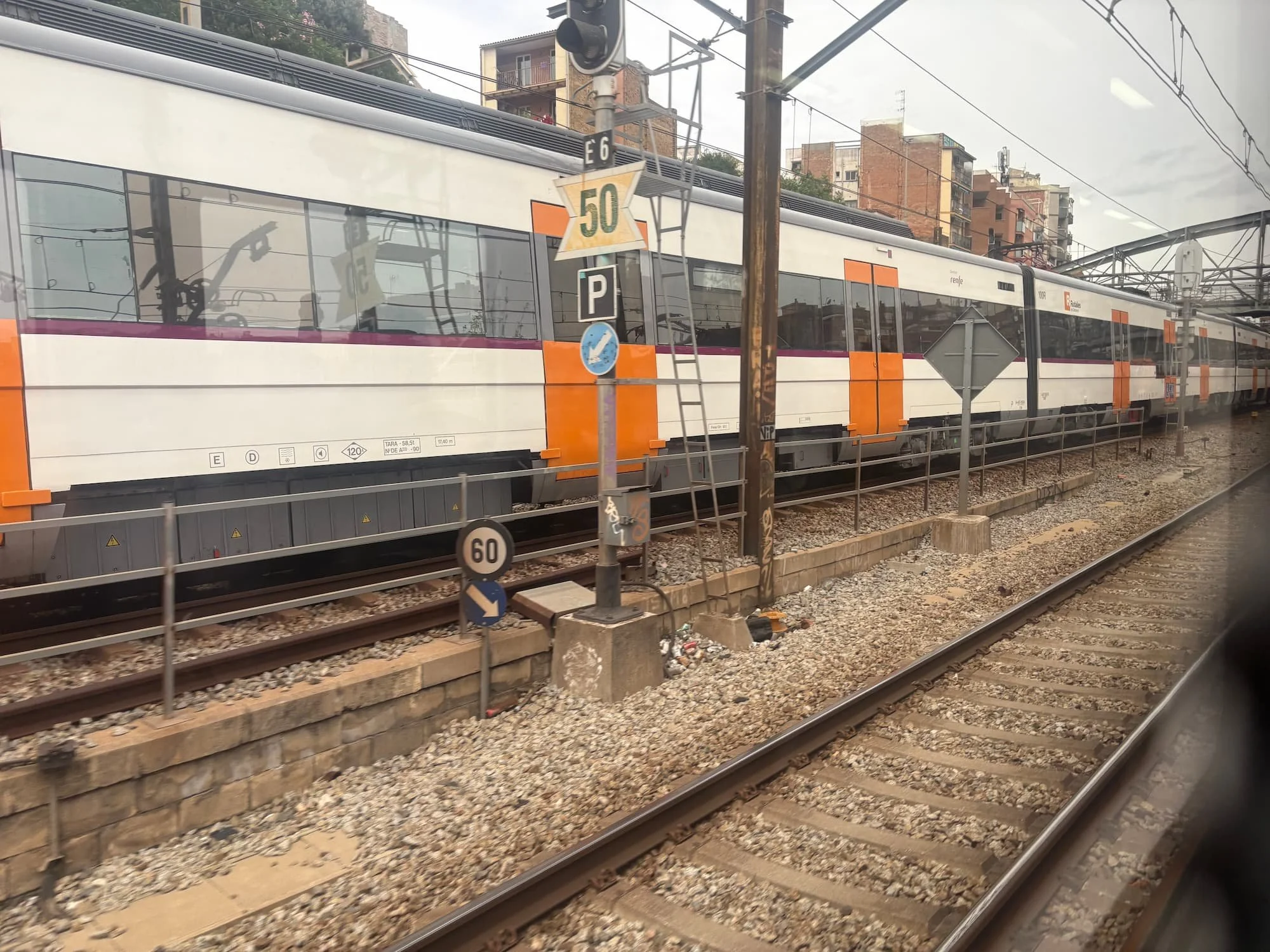
Travelling across Barcelona by metro and train made it easy to reach attractions across the city without relying on taxis.
Finding the Creative Side of Barcelona & Lisbon.
Barcelona and Lisbon are two of Europe's most creative cities, and now two of my favourites.
While attractions like the Sagrada Família and Belém Tower deserve a place on any itinerary, some of my favourite memories came during my daily wanderings.
Sunshine, steps, and positive vibes everywhere.
I loved walking through colourful neighbourhoods, discovering street art and chilling in some very aesthetic places.
Having reliable mobile data meant I could confidently leave the main tourist routes, knowing I could always find my way back or discover somewhere new along the way.
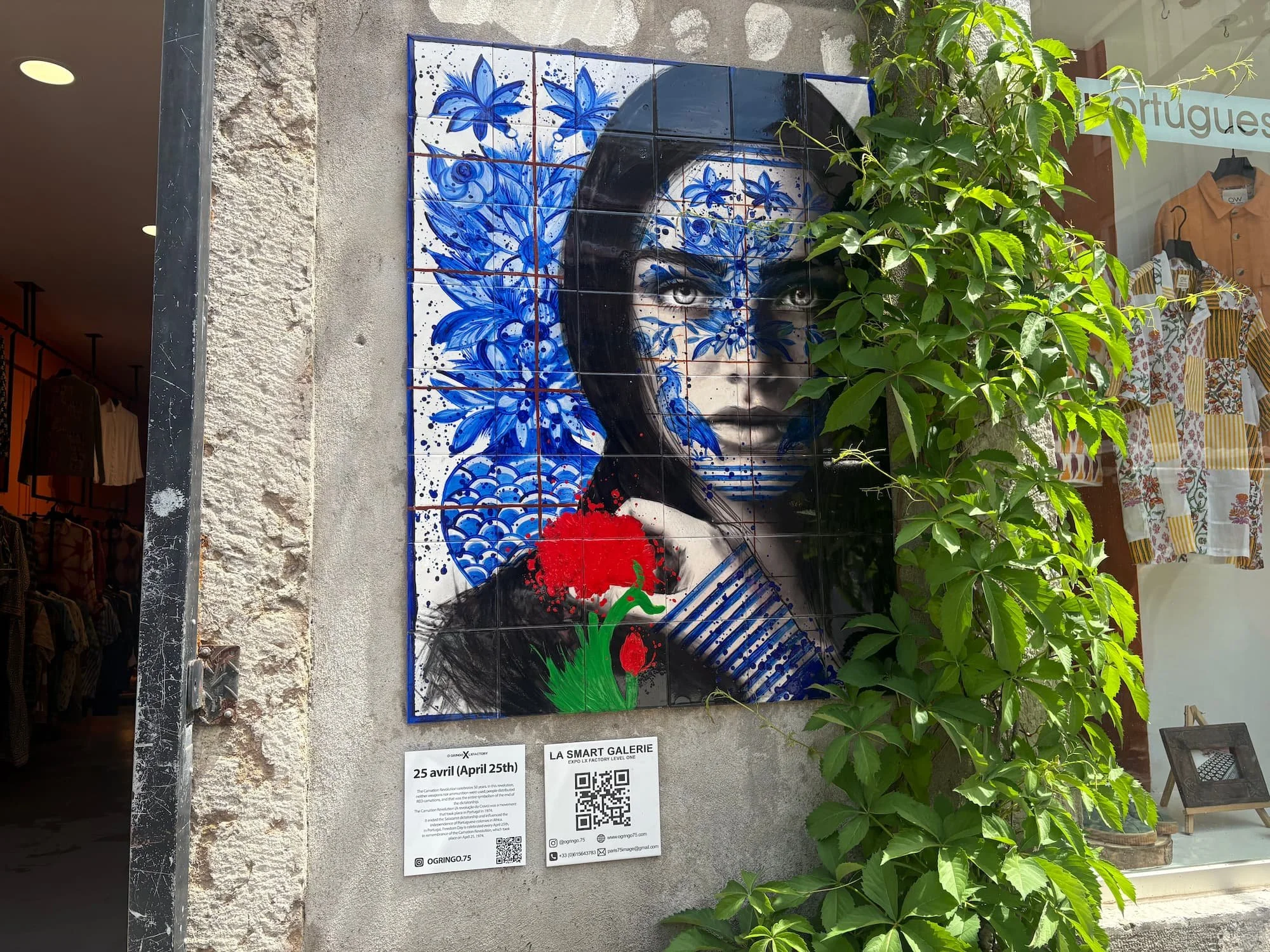
Colourful street art at LX Factory, one of Lisbon's most creative and vibrant cultural hubs.
Wandering through Barcelona's Gothic Quarter & El Born.
Picture this…
Narrow medieval streets, hidden squares and independent shops.The architecture is so unique, making every turn feel like another photo opportunity.
It didn't take long before I put Google Maps away and simply started wandering.
The Gothic Quarter and El Born are two of those neighbourhoods where there's no real need to follow a set route.
Every street seems to reveal more hidden treasures, making it one of the most enjoyable parts of Barcelona to explore on foot
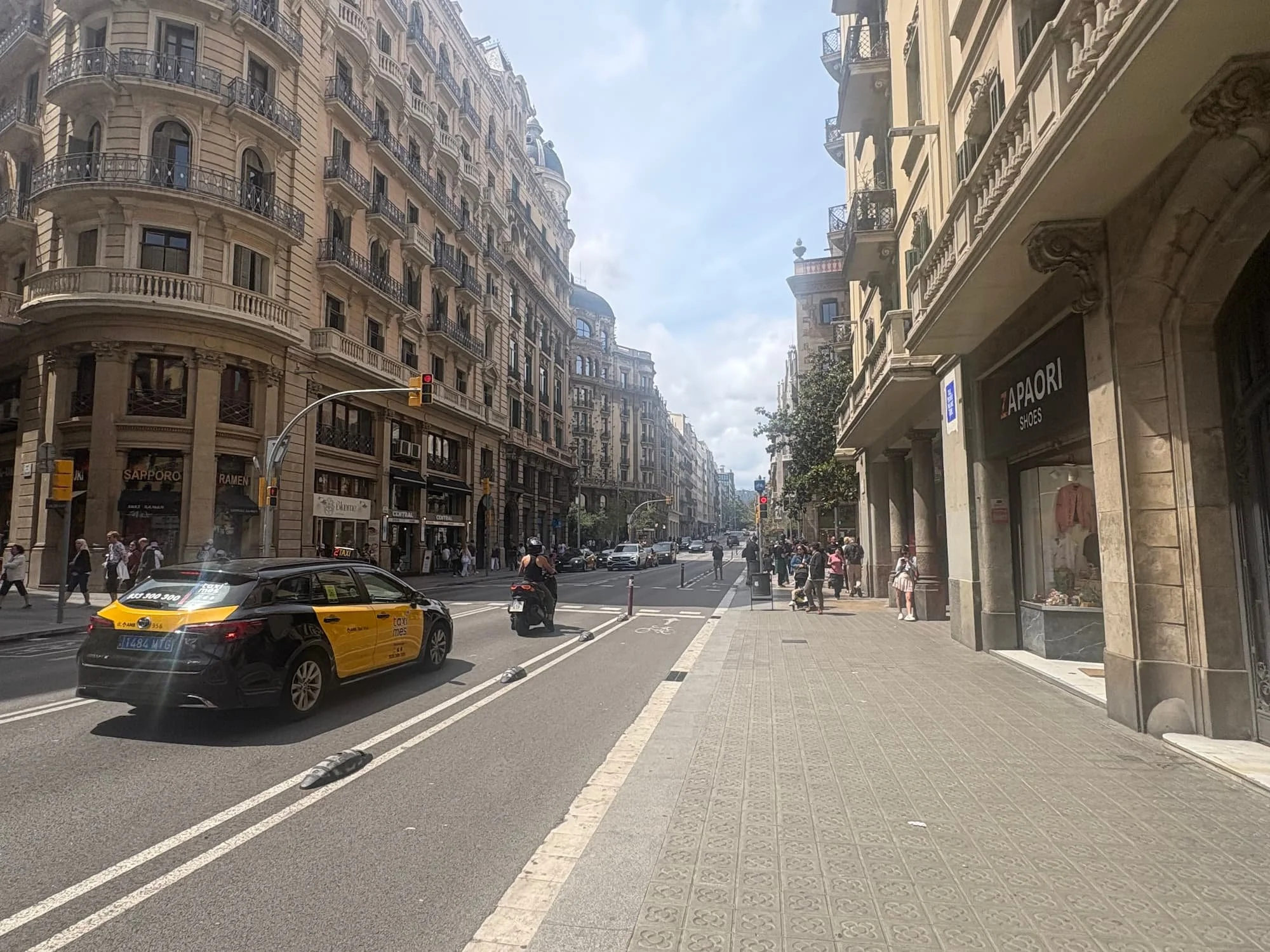
Strolling through the elegant streets of Barcelona, where impressive architecture and vibrant neighbourhoods make every walk feel like part of the experience.
I found myself walking far more than I'd originally planned, simply because every street seemed to lead somewhere worth exploring.
One of those unexpected discoveries was Hidden Coffee Roasters in El Born.
After spotting the café while exploring the neighbourhood and seeing how highly it was rated, I decided to stop for a coffee, and I'm glad I did.
Completely by chance, I also came across their matcha cookies, which quickly became one of the highlights of my trip.
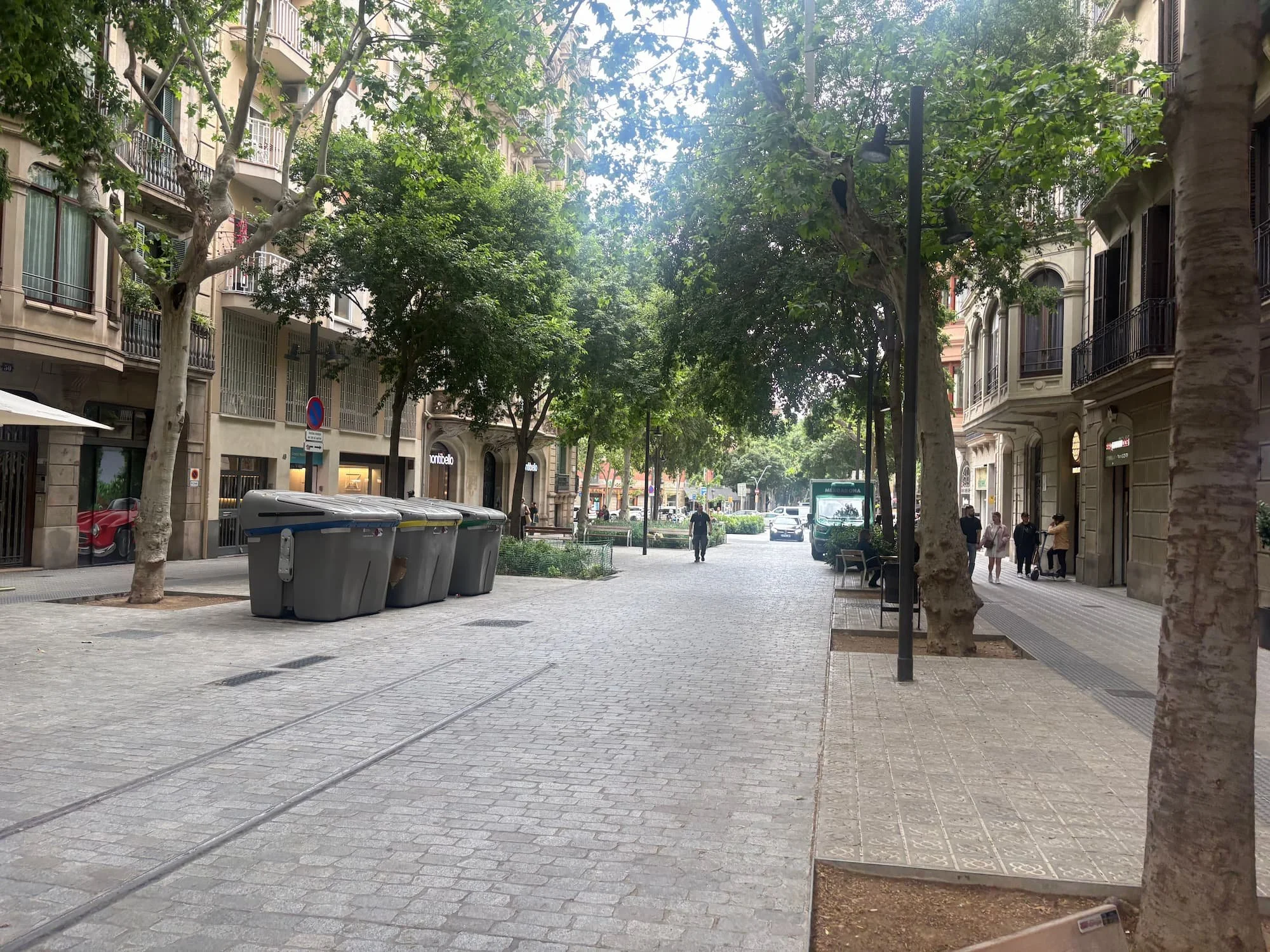
Walking through Barcelona's elegant Eixample district.
Exploring Alfama's Colourful Streets in the Portugese capital.
Lisbon's Alfama should 100% be explored on foot.
A lot of the neighbourhood's character is hidden down its maze of narrow streets, many of which you'd completely miss if you only relied on public transport.
Although it quickly turns into a decent workout with all the steep hills and staircases, every climb feels rewarding.
Around almost every corner you'll find another colourful building, hidden viewpoint or one of Lisbon's famous yellow trams making its way through the narrow streets.
This is the Lisbon I had imagiend when I planned my trip. t really is unlike anywhere else I've visited in Europe.
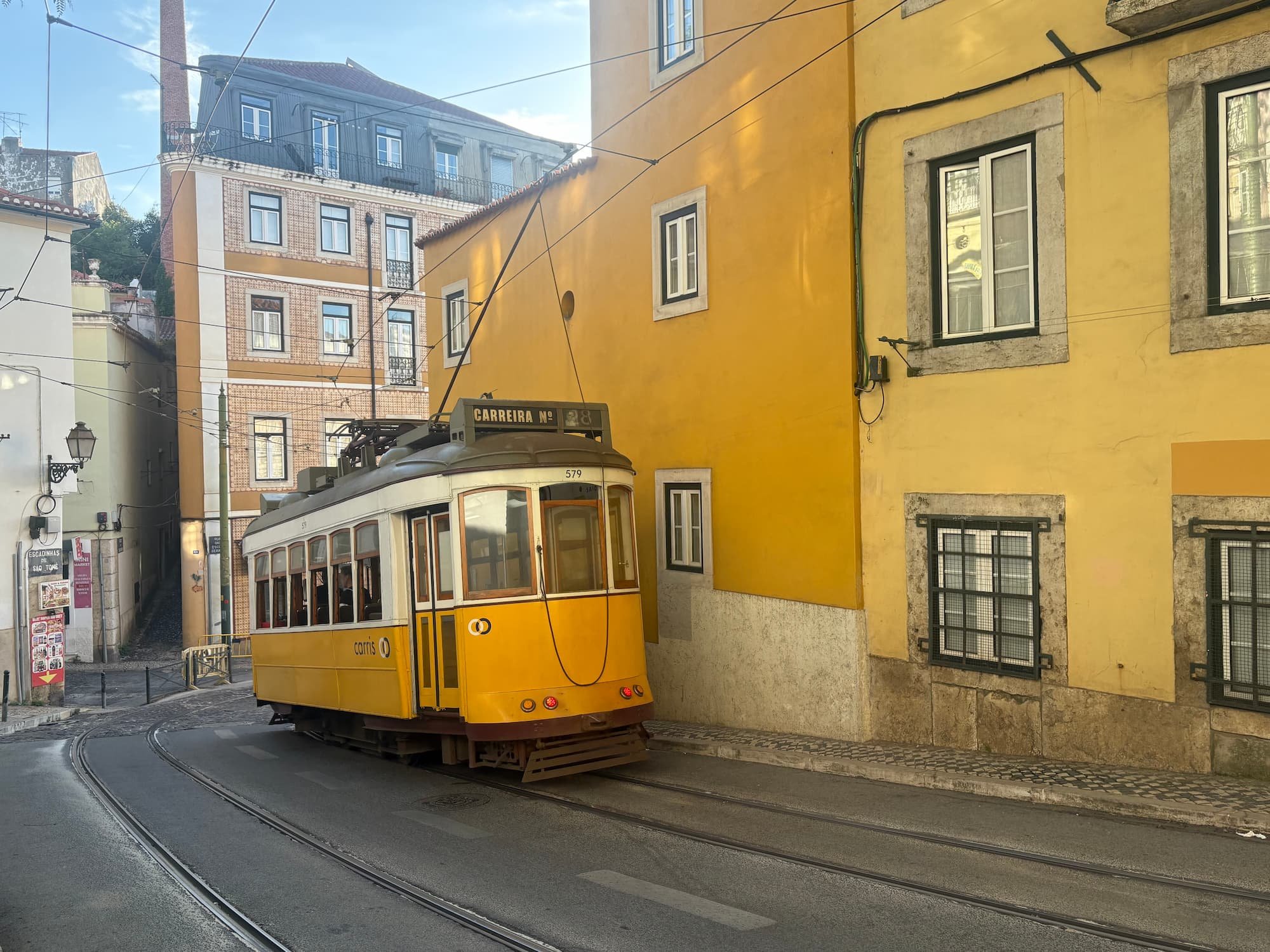
Lisbon's iconic yellow trams are all part of the experience when exploring the city's colourful hills and historic neighbourhoods.
I would say that a working Google Maps is essential, as it's incredibly easy to lose your bearings amongst the winding streets.
Having Skratch meant I could spend less time worrying about where I was and more time enjoying everything Alfama had to offer.
Whether I was looking for the next viewpoint, checking directions or finding somewhere for a coffee, everything I needed was only a few taps away.
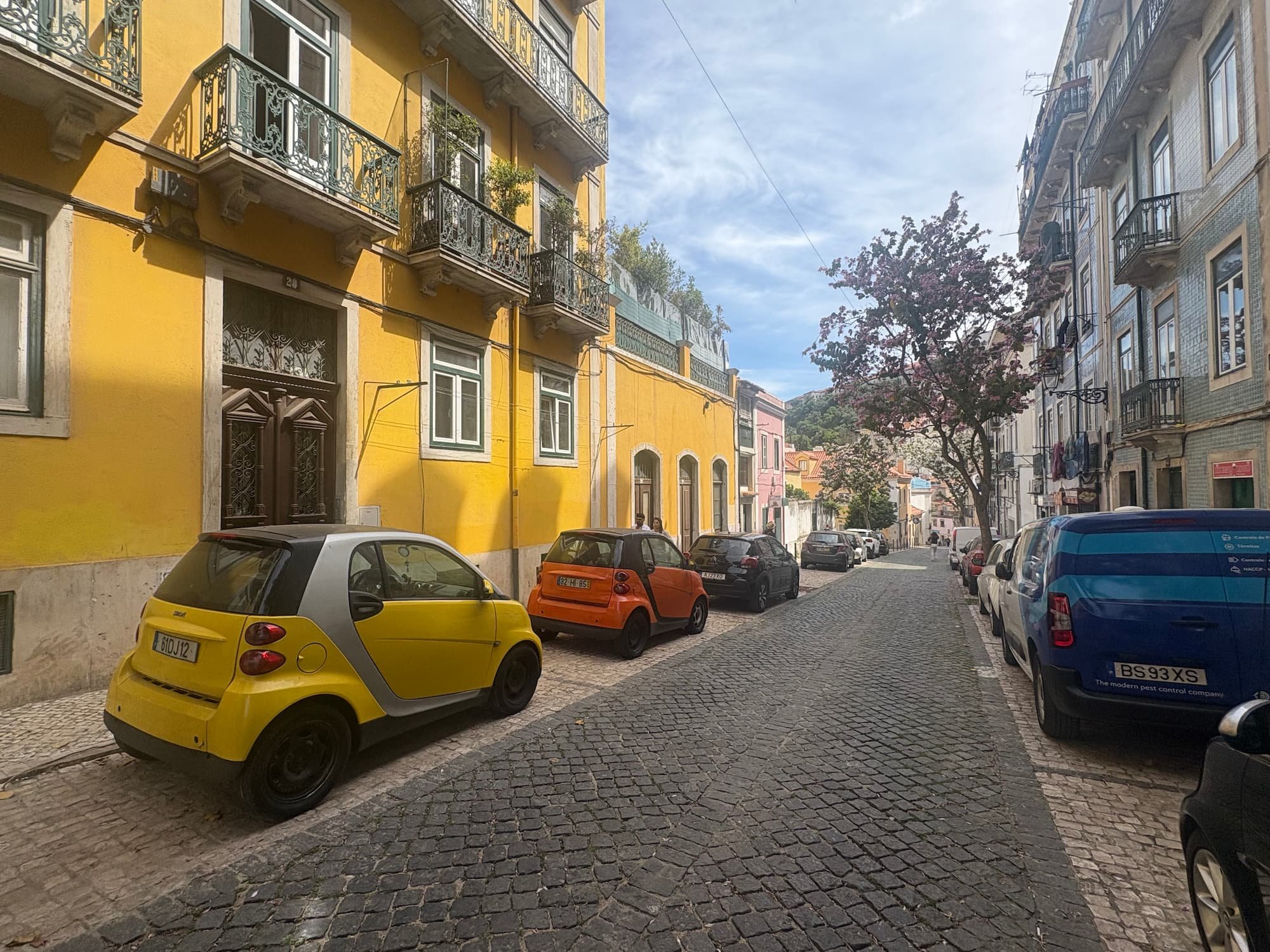
Wandering through Alfama's colourful streets, where every corner seemed to reveal another picture-perfect view of Lisbon.
Discovering Barcelona's most creative attractions.
Barcelona is epic when it comes to creative attractions.
While Gaudí's influence is impossible to ignore, the city also embraces modern creativity through immersive museums, exhibitions and ever-changing urban art.
One of the highlights of my trip was visiting Casa Batlló, one of Antoni Gaudí's most iconic masterpieces.
Walking through its colourful rooms and flowing organic designs felt unlike visiting any other historic building, while the rooftop terrace and immersive exhibitions showcased exactly why Barcelona has become synonymous with architectural creativity.
Before visiting, I used my phone to double-check opening times and navigate there, making it easy to fit into my itinerary while exploring the city centre.
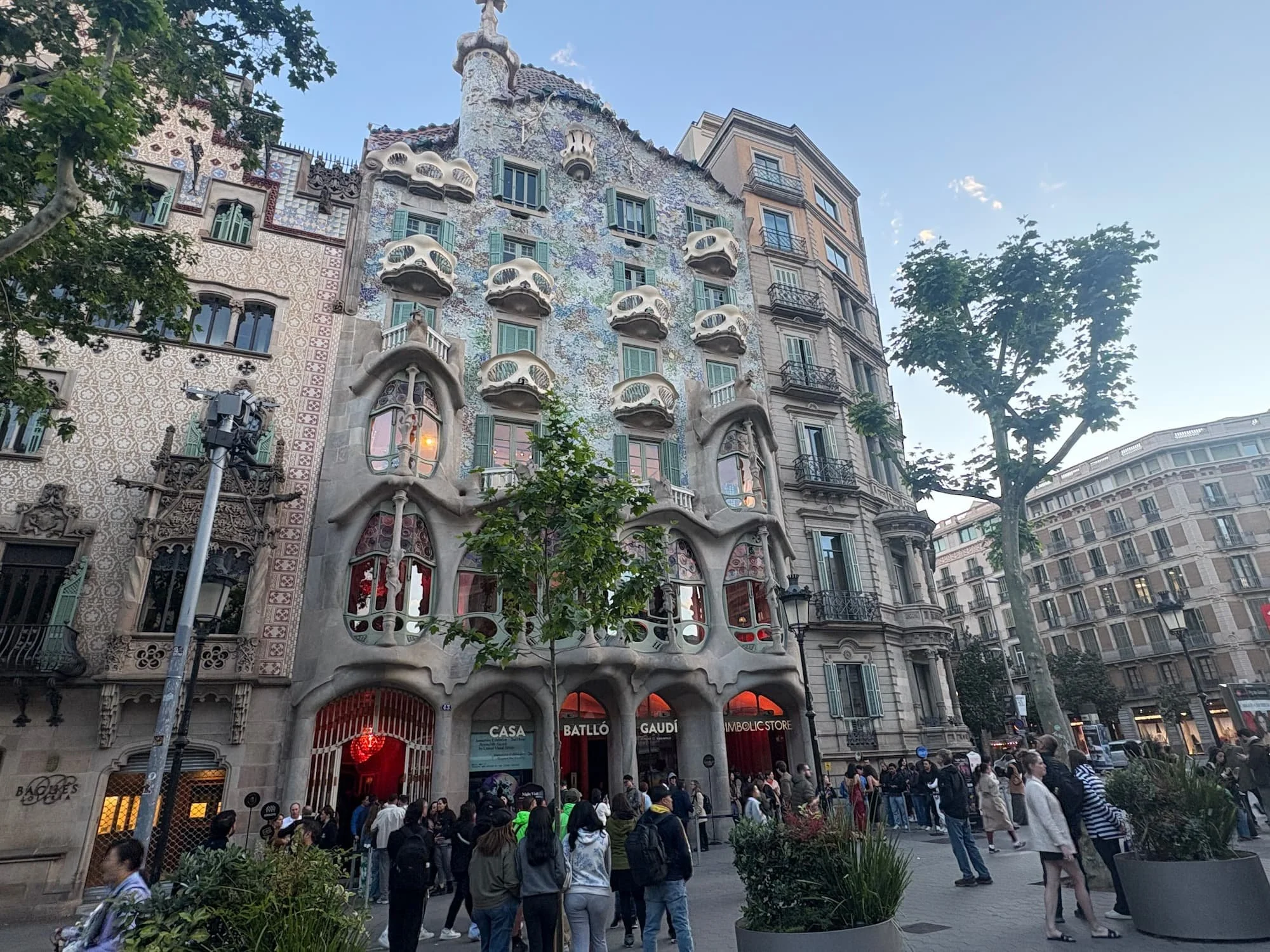
Arriving at Casa Batlló on Passeig de Gràcia, one of Antoni Gaudí's most iconic masterpieces and a highlight of my time in Barcelona.
I also loved visiting the Banksy Museum, although for completely different reasons.
Where Casa Batlló showcases Gaudí's incredible imagination through architecture and design, the Banksy Museum encourages you to stop and think about the stories and messages behind each piece of artwork.
It was a fascinating contrast and one that I hadn't expected to enjoy quite as much.
One piece that particularly caught my attention was Steve Jobs in the Refugee Camp. After seeing it, I found myself searching for the story behind the artwork to better understand the message Banksy was trying to convey.
Having mobile data meant I could quickly research the inspiration behind several pieces as I walked around the museum, giving me a much deeper appreciation of the exhibition than simply reading the information on display.
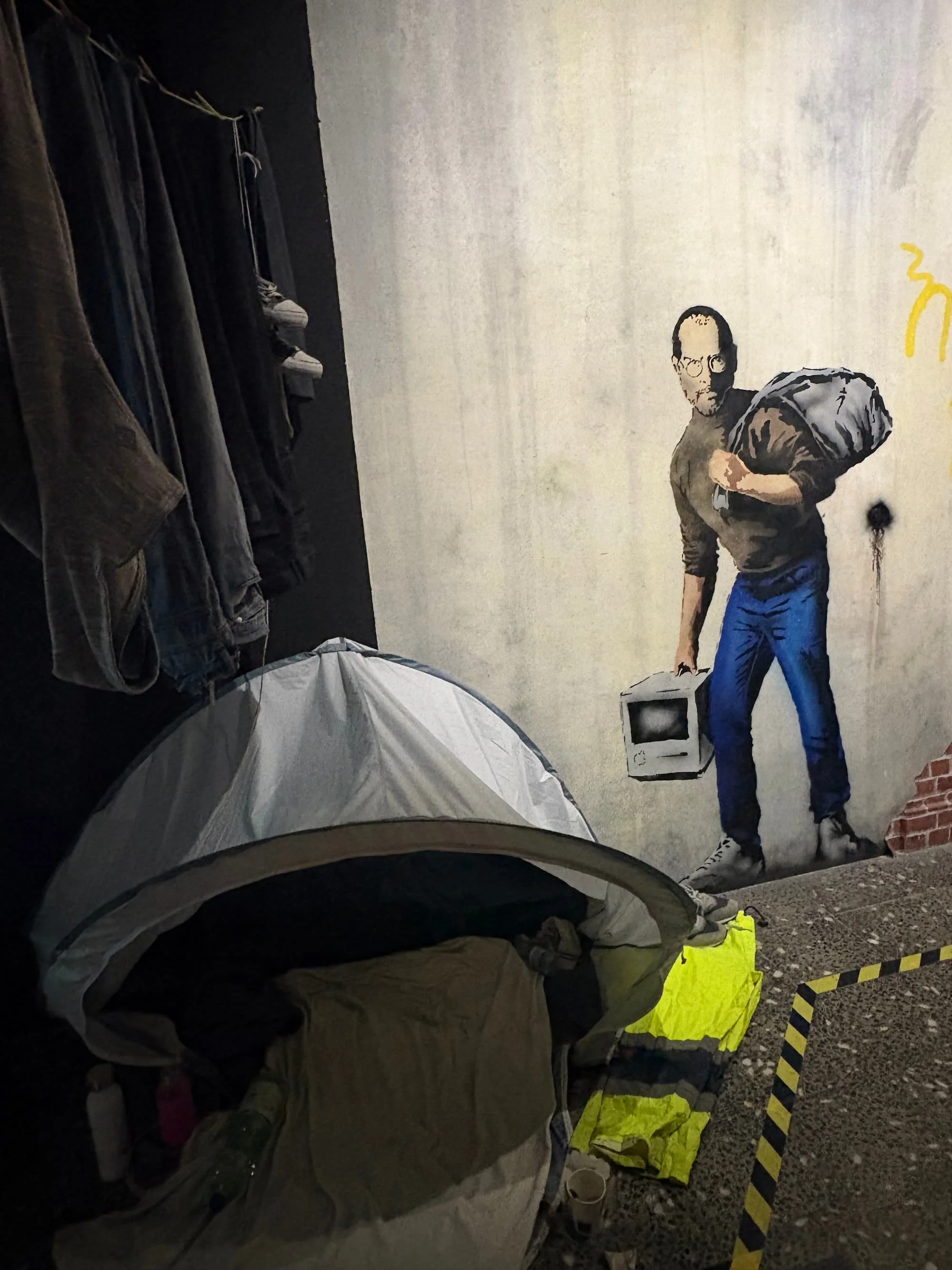
One of the thought-provoking pieces at the Banksy Museum, offering a completely different perspective on creativity to Gaudí's architectural masterpieces.
I also started marking the places I'd visited in Skratch as I explored Barcelona.
Casa Batlló was definitely one for my travel map, and it was surprisingly satisfying seeing the trip gradually come together as I ticked off some of the city's most iconic attractions.
It's a feature I'll definitely keep using as I continue exploring more of Europe.
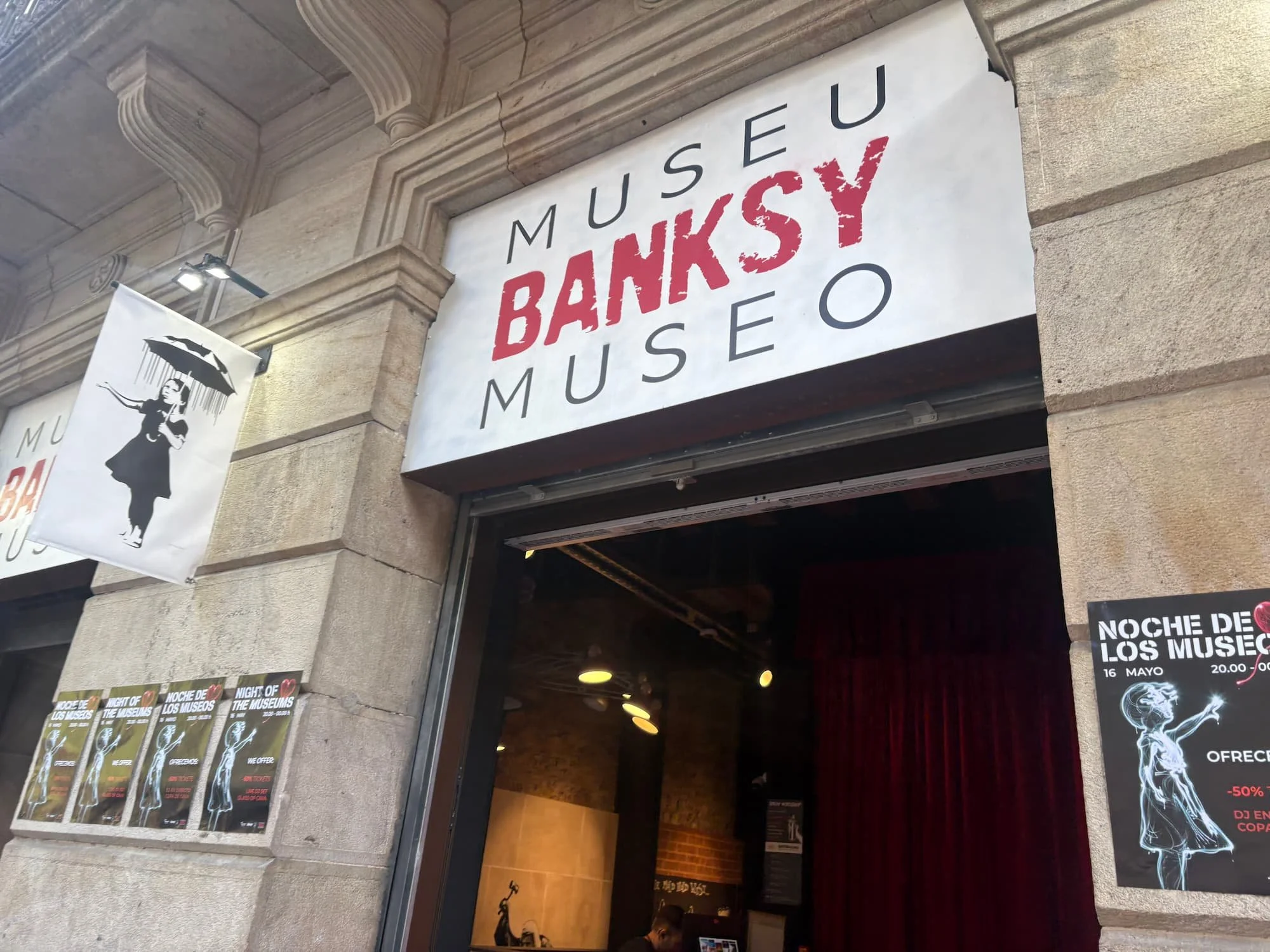
The Banksy Museum in Barcelona offers a fascinating contrast to the city's famous Gaudí landmarks, showcasing thought-provoking street art and immersive exhibitions.
Finding the perfect Sunday morning spot to chill out at LX Factory in Lisbon.
After a couple of busy days exploring Lisbon's hills and historic streets, LX Factory was the perfect place to slow things down.
I visited on a Sunday morning, and the atmosphere couldn't have been better.
People were enjoying brunch in the sunshine, browsing independent shops and taking their time exploring the creative spaces that make LX Factory so popular.
I also loved wandering through Ler Devagar, the famous bookshop that's become one of Lisbon's most photographed spots.
Even if you're not a big reader, it's well worth stepping inside to admire the unique design and atmosphere.
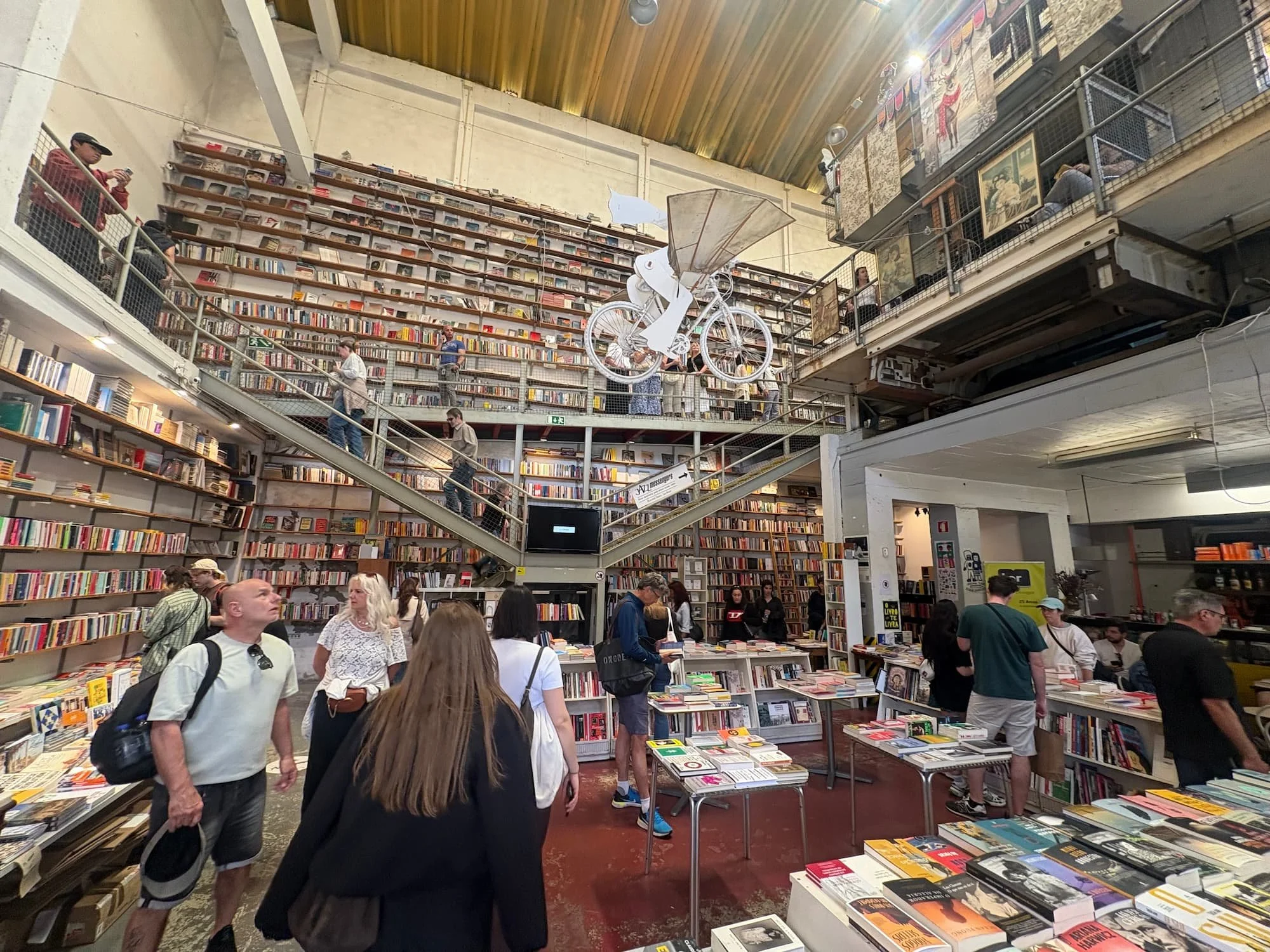
Browsing the shelves at Ler Devagar, the iconic bookshop that has become one of LX Factory's biggest attractions.
After exploring for a while, I stopped for lunch and ended up having one of the best meals I'd had in a long time.
With so many cafés and restaurants to choose from, it wasn't easy deciding where to eat, but after checking a few reviews I settled on the lamb chops, and I'm glad I did.
They were absolutely incredible and easily one of the standout meals from the whole trip.
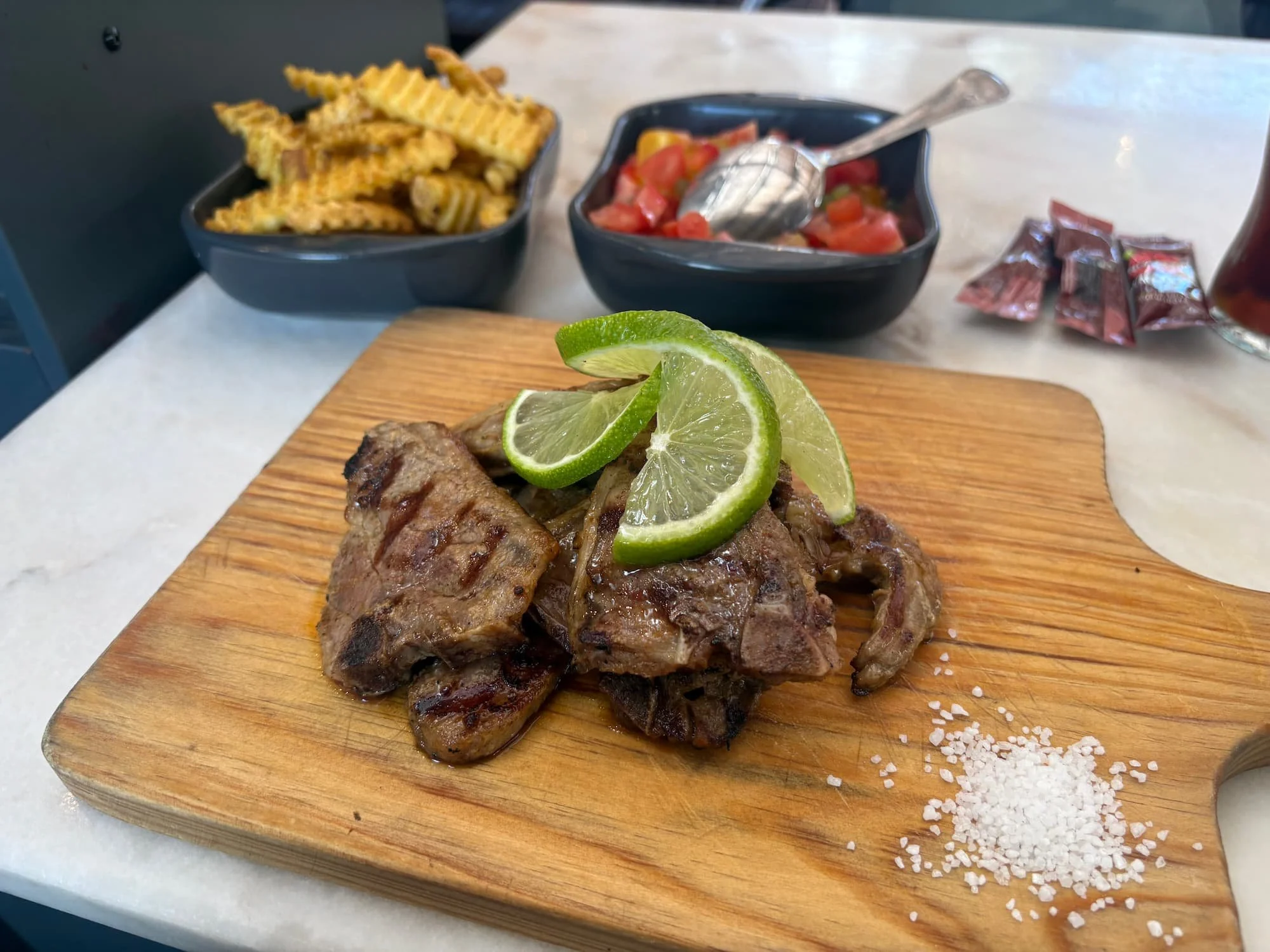
The incredible lamb chops I enjoyed at LX Factory, easily one of my favourite meals from my time in Lisbon.
Sitting outside in the sunshine with great food and a relaxed atmosphere made it somewhere I could have happily spent the rest of the afternoon.
I'd originally added LX Factory to my itinerary after reading so many positive reviews, and it definitely lived up to the hype.
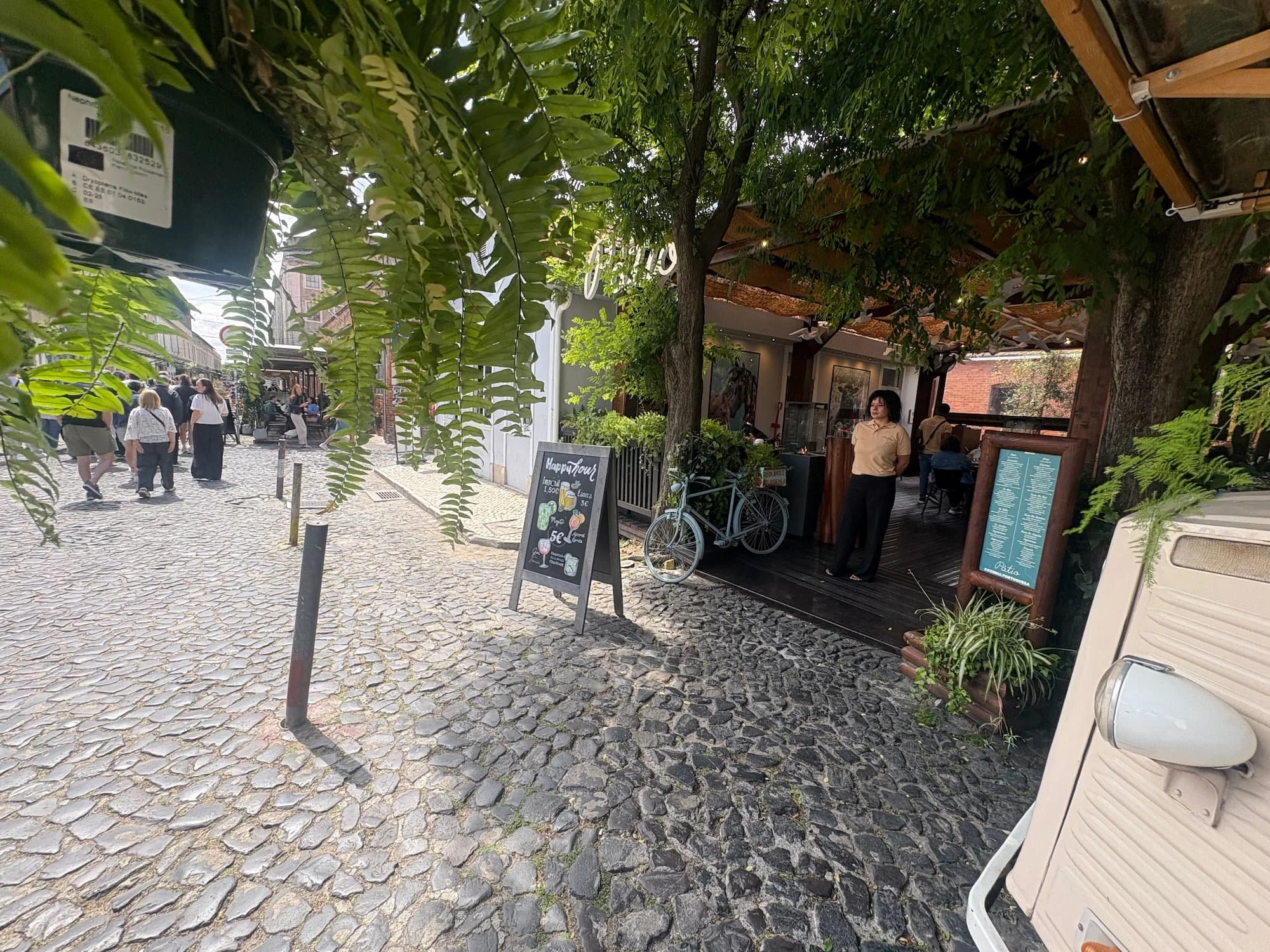
Spending a slow Sunday morning exploring the cafés, independent shops and creative atmosphere of Lisbon's LX Factory.
Navigating Barcelona & Lisbon with ease.
One thing I quickly realised during both trips was just how much I relied on my phone to get around.
Barcelona's extensive metro network and Lisbon's steep hills make exploring straightforward, but only if you know where you're going.
In Barcelona, I had been invited to a special tour of Casa Batlló, so arriving on time was essential.
Rather than leaving plenty of extra time and hoping for the best, I was able to use live directions to navigate the metro, check walking routes and make my way confidently through the city centre without worrying about getting lost.
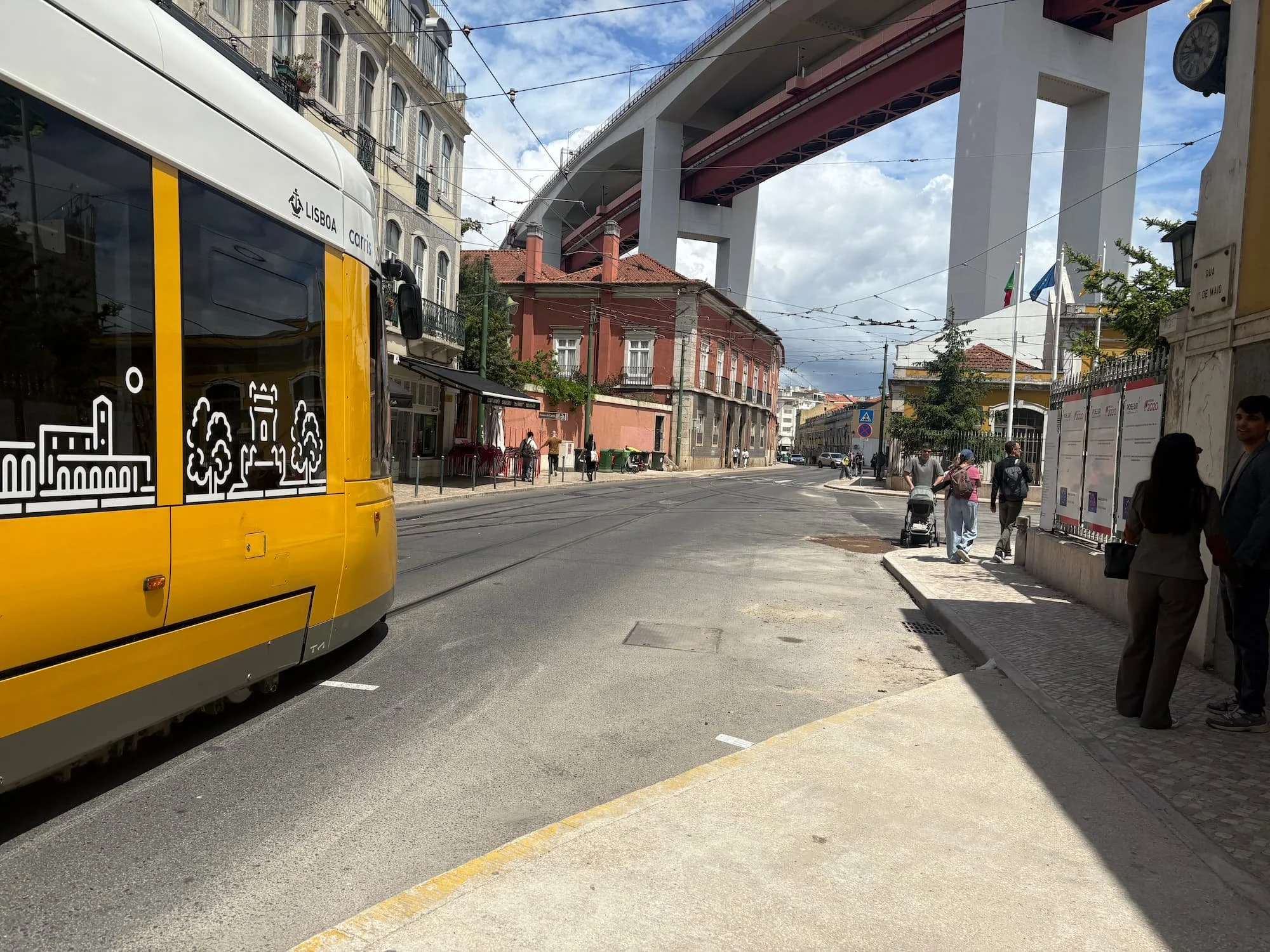
Lisbon's trams made it easy to explore different parts of the city, from the historic centre to the creative neighbourhoods further afield.
A few weeks prior in Lisbon, I was competing in a HYROX race at the Feira Internacional de Lisboa.
Race mornings are stressful enough without trying to figure out unfamiliar public transport or searching for Wi-Fi to check directions. Having mobile data meant I could quickly confirm my route, monitor journey times and arrive with plenty of time to spare before the event began.
When I think back to both trips, I did rely on my phone data for every step, therefore, I am very pleased with how consistent it was across both European countries.
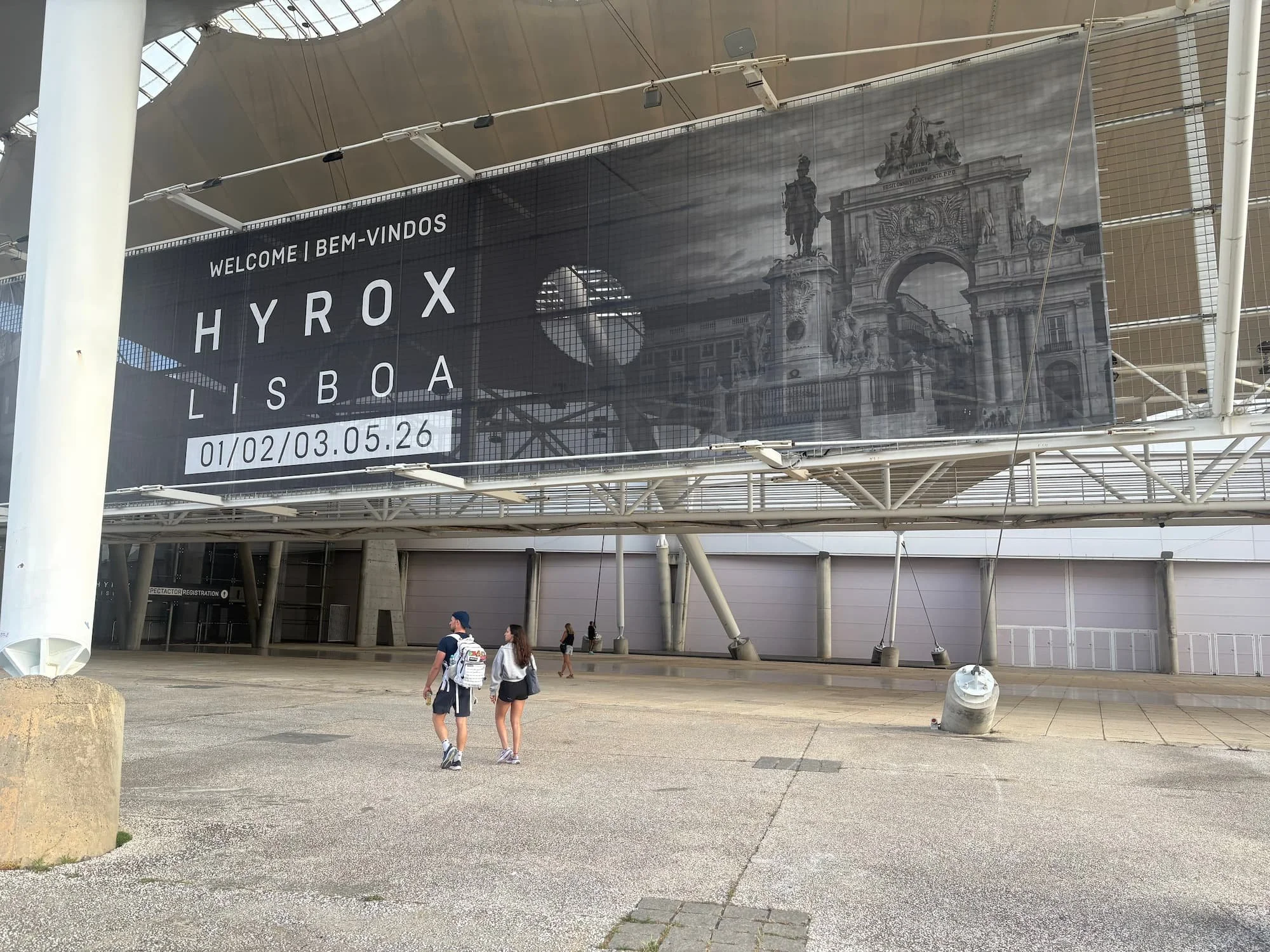
Arriving at Lisbon's Feira Internacional de Lisboa ahead of my HYROX race, where reliable mobile data made finding the venue completely stress-free.
Barcelona's metro made exploring easy.
One of the highlights of my Barcelona trip was being invited to a special tour of Casa Batlló, one of Antoni Gaudí's most famous architectural masterpieces.
Unlike many of the attractions I visited, this wasn't something I could simply turn up late for, so making sure I arrived on time was a priority.
Fortunately, Barcelona's metro system makes getting around incredibly easy. Before leaving my accommodation, I quickly checked the best route on my phone, seeing exactly which station to head to and where I needed to change lines.
Rather than trying to memorise directions or relying on station maps, I could simply follow live navigation and enjoy the journey into the city centre.
That confidence also meant I didn't feel tied to the quickest route for the rest of the day.
After finishing at Casa Batlló, I spent hours wandering around Passeig de Gràcia, exploring nearby streets, stopping for coffee and visiting other attractions without worrying about how I'd eventually get back.
I also had the places I wanted to visit marked in Skratch, which made it easy to plan my day before using the metro to move between different areas of Barcelona.
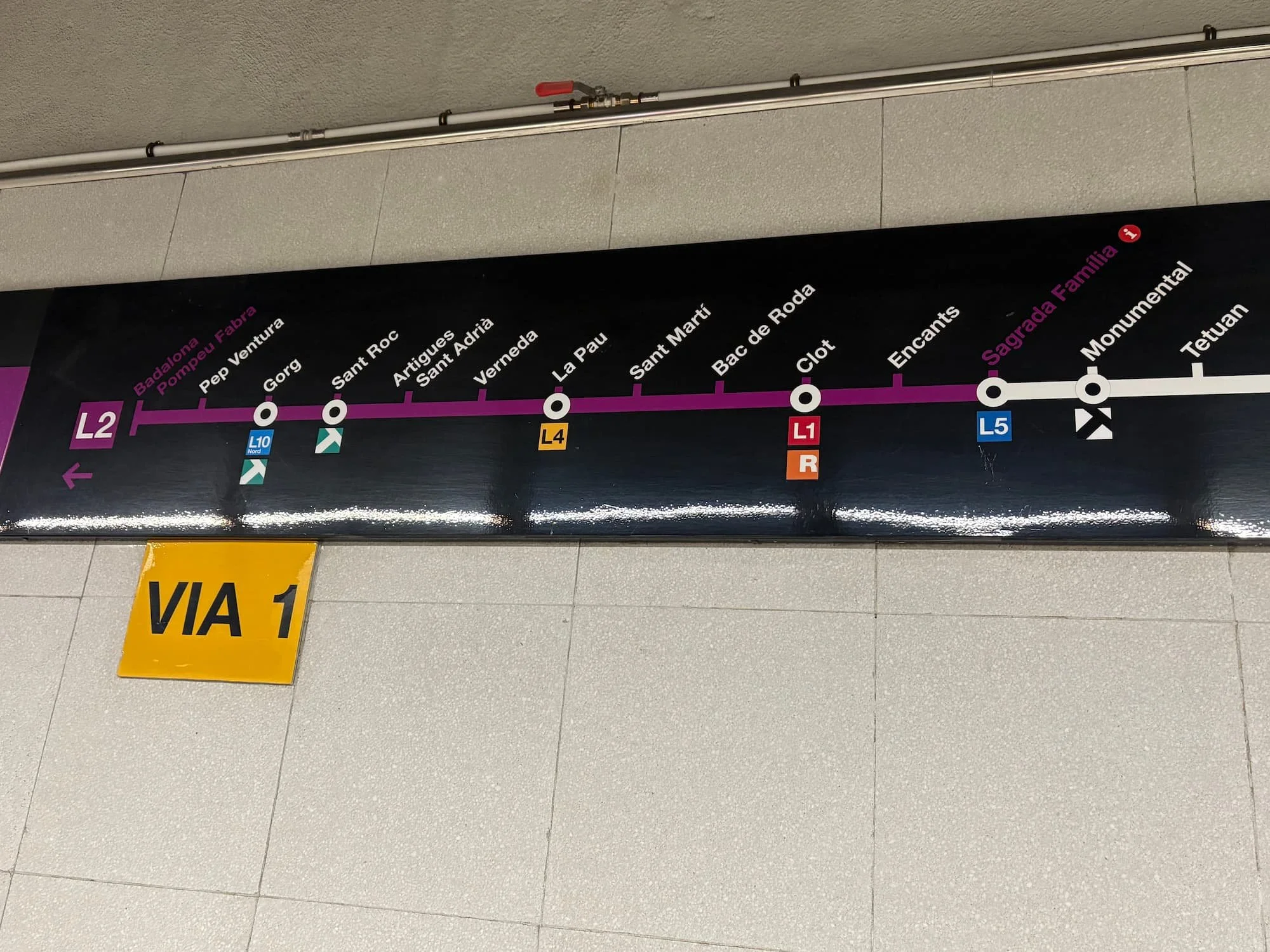
Barcelona's metro was one of the easiest ways to get around the city, with simple connections to many of the major attractions.
Climbing Lisbon's hills & catching the trams.
One thing that quickly became clear about Lisbon is that exploring the city almost always involves walking uphill.
From the steep streets of Alfama to the viewpoints overlooking the terracotta rooftops, every corner feels connected by winding roads, historic funiculars and the famous yellow trams climbing through the hills.
Rather than following the same route each day, I enjoyed wandering wherever the streets took me.
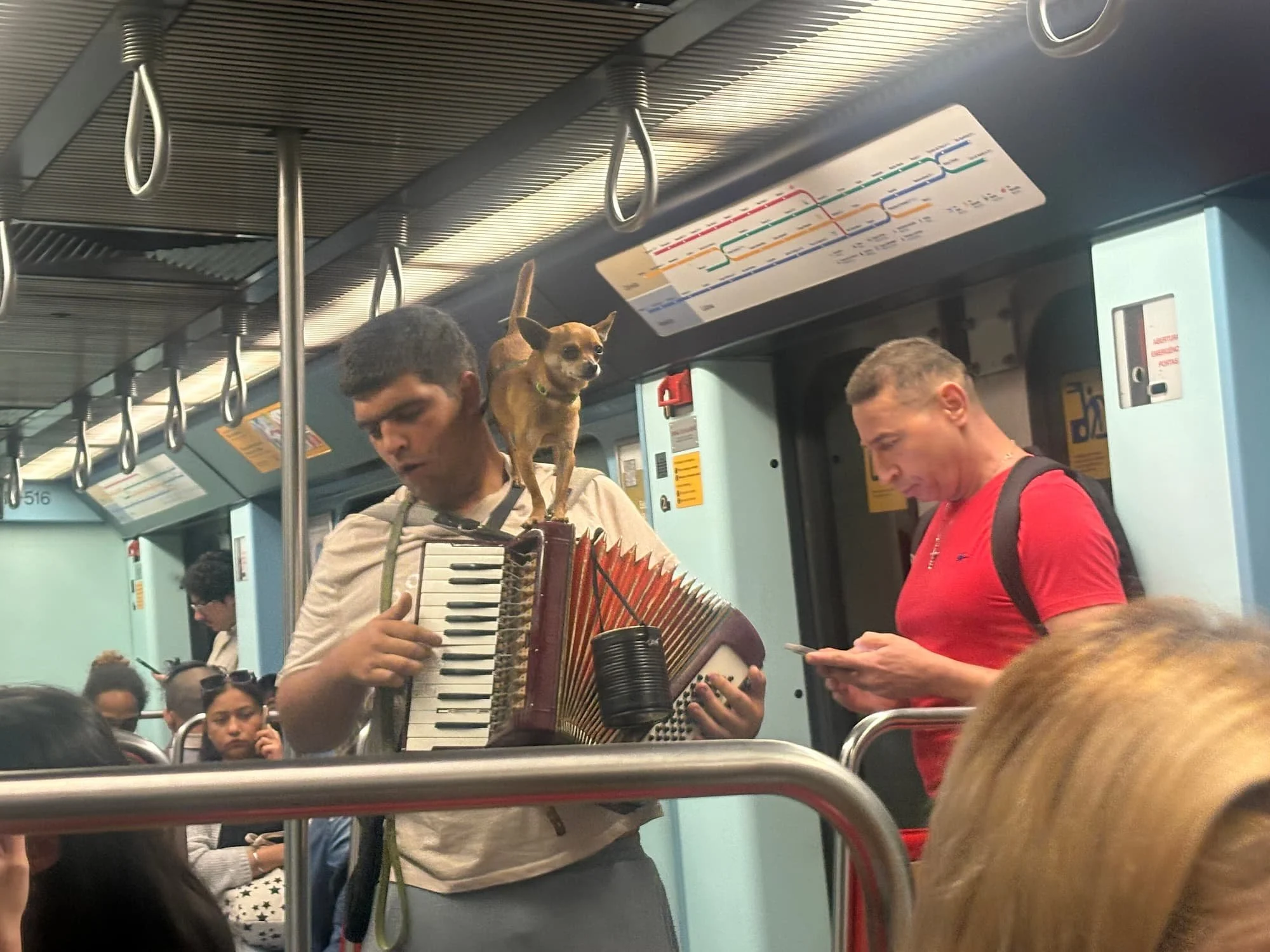
One of the unexpected moments on Lisbon's metro, where a musician and his tiny companion turned an ordinary journey into a memorable experience.
Some of my favourite moments came from climbing towards viewpoints like Miradouro da Senhora do Monte, riding the iconic Tram 28 and exploring colourful neighbourhoods
Having mobile data made any spontaneous detours much easier. If I spotted an interesting street or wanted to find the next viewpoint, café or attraction, I could quickly check directions before carrying on.
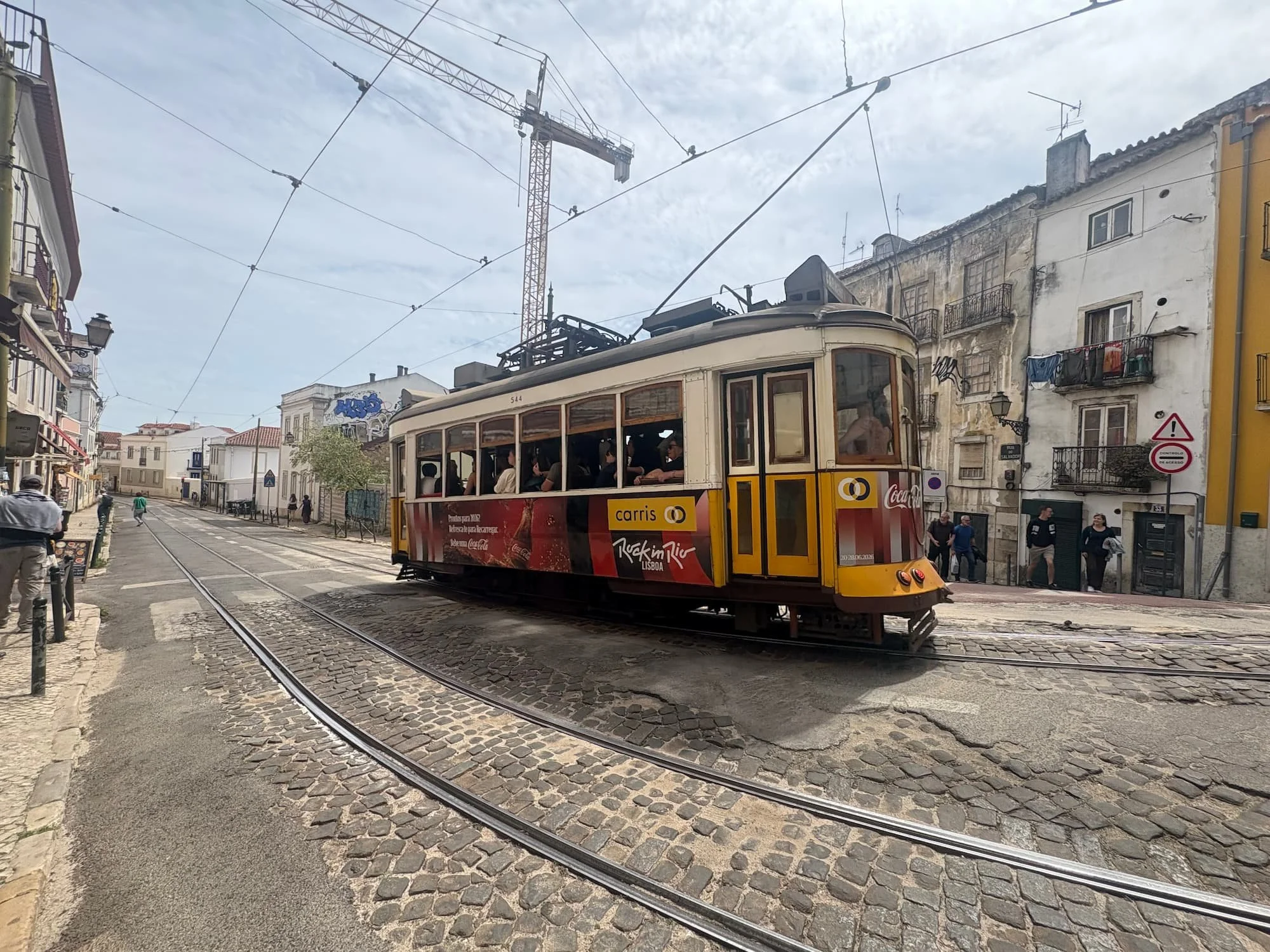
Watching Lisbon's iconic yellow trams weave their way through the city's historic streets was an experience in itself.
Discovering local food & coffee along the way
One of my favourite things about travelling in Europe during the summer is the café culture.
From people spilling out onto sunny terraces to colourful brunch spots tucked away down quiet side streets, both Barcelona and Lisbon seemed to encourage slowing down for an hour before heading back out to explore.
Rather than planning every meal in advance, I often found myself searching for somewhere nearby after a morning of walking.
It became a great excuse to recharge, and experience a different side of each city away from the major attractions.
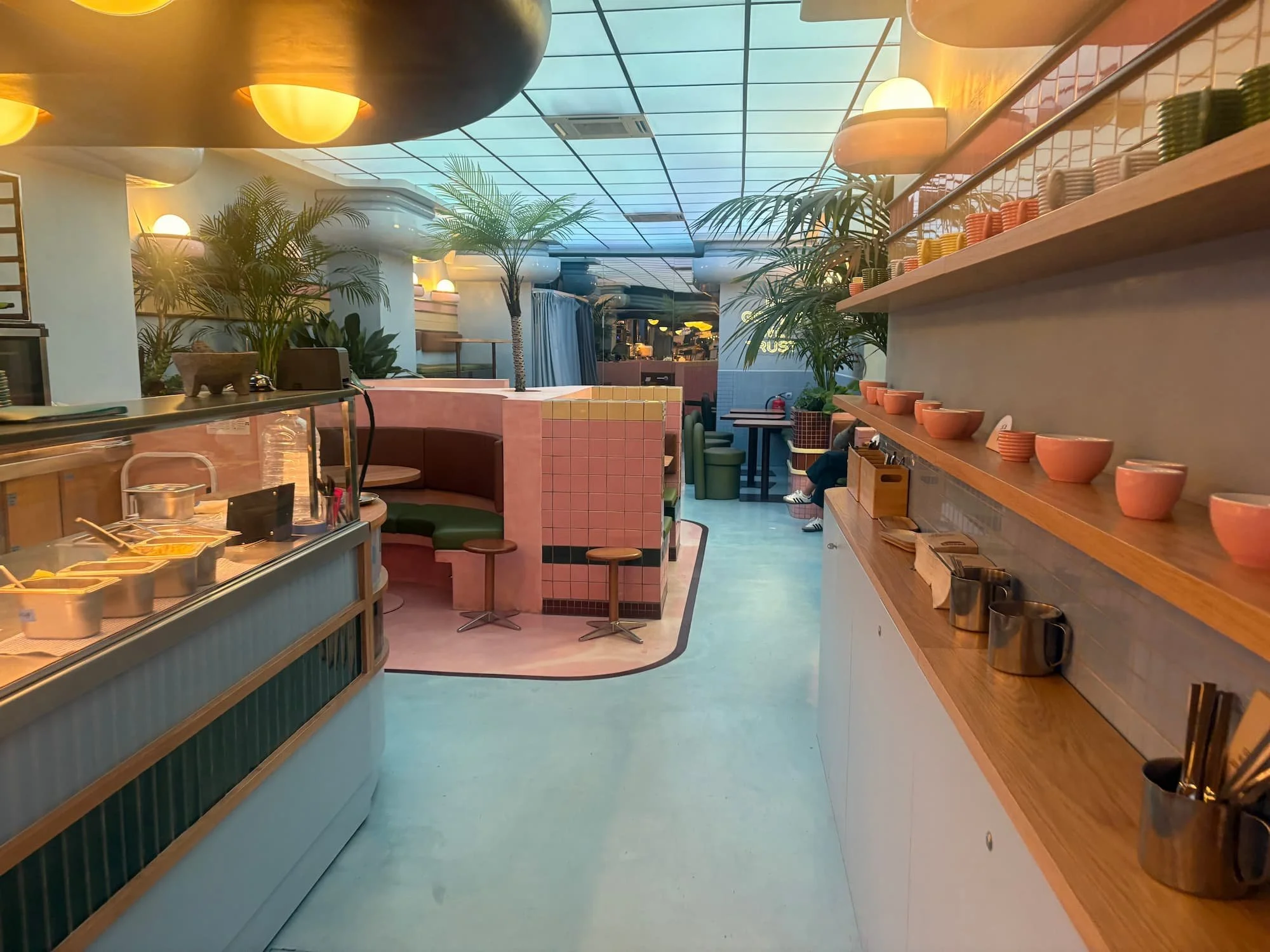
One of the stylish cafés I stumbled across while exploring Barcelona's elegant Eixample district
Refuelling at Surf House Barcelona.
One place I kept coming back to was Surf House Barcelona, just a short walk from my hotel.
After an early gym session nearby, it became the perfect place to slow down with an açaí bowl and a protein shake before heading back out exploring the city.
Before visiting, I'd noticed just how many positive reviews Surf House received, with people praising both the relaxed atmosphere and healthy menu. It certainly lived up to the hype.
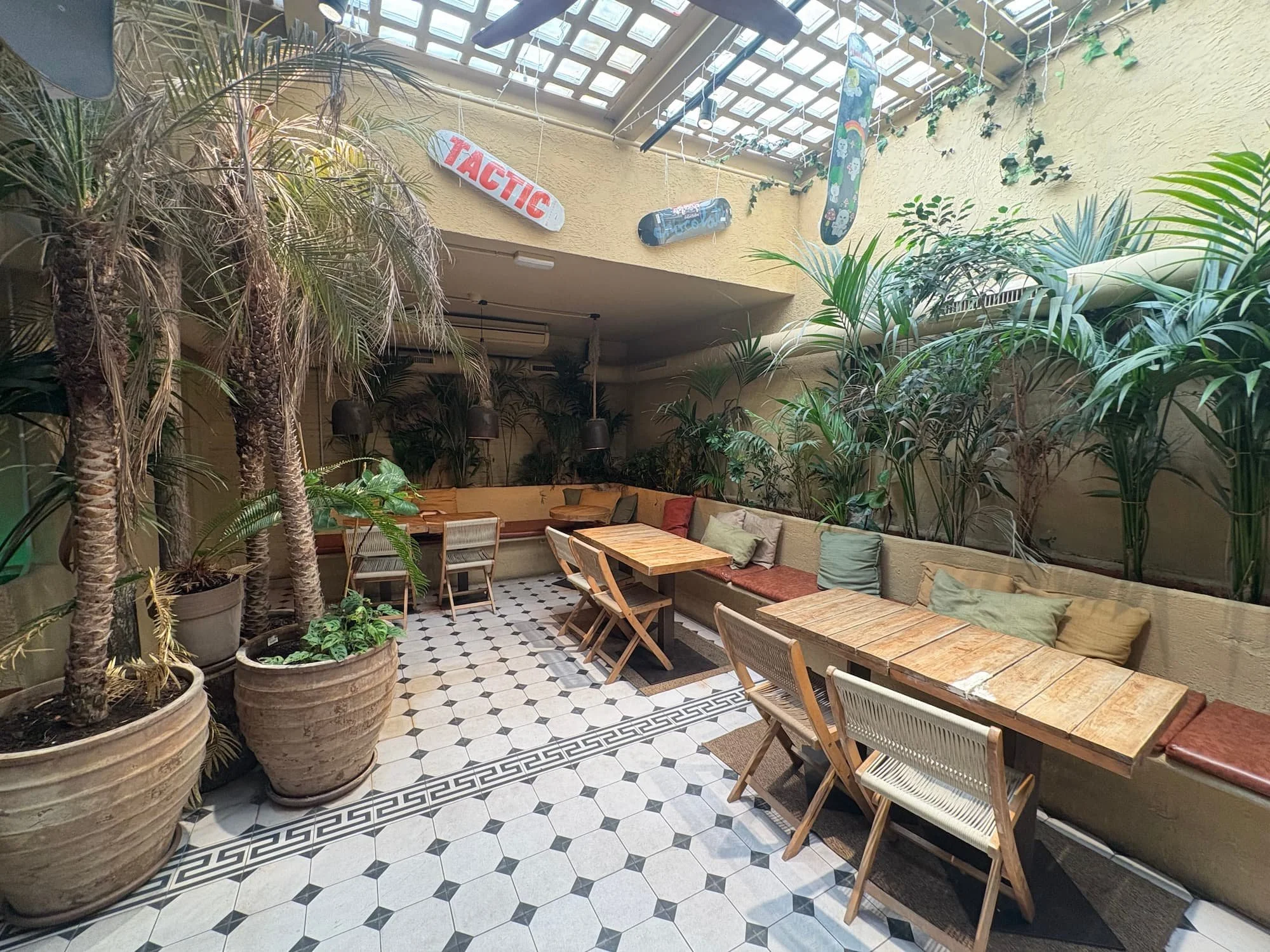
Surf House Barcelona quickly became one of my favourite places to unwind after a morning at the gym, with a relaxed atmosphere and healthy food that kept me coming back.
Coffee & croissants before exploring Lisbon.
One café that immediately stood out in Lisbon was Copenhagen Coffee Lab.
After plenty of walking through the city's steep streets, it became the perfect place to pause with a flat white and an almond croissant before continuing the day.
There's something special about Lisbon's café culture. I loved sitting in the quirky spots and soaking up the vibes.
These quick stops are necessary to get the energy needed to climb towards Lisbon's next viewpoint and to continue to explore the city's colourful neighbourhoods.
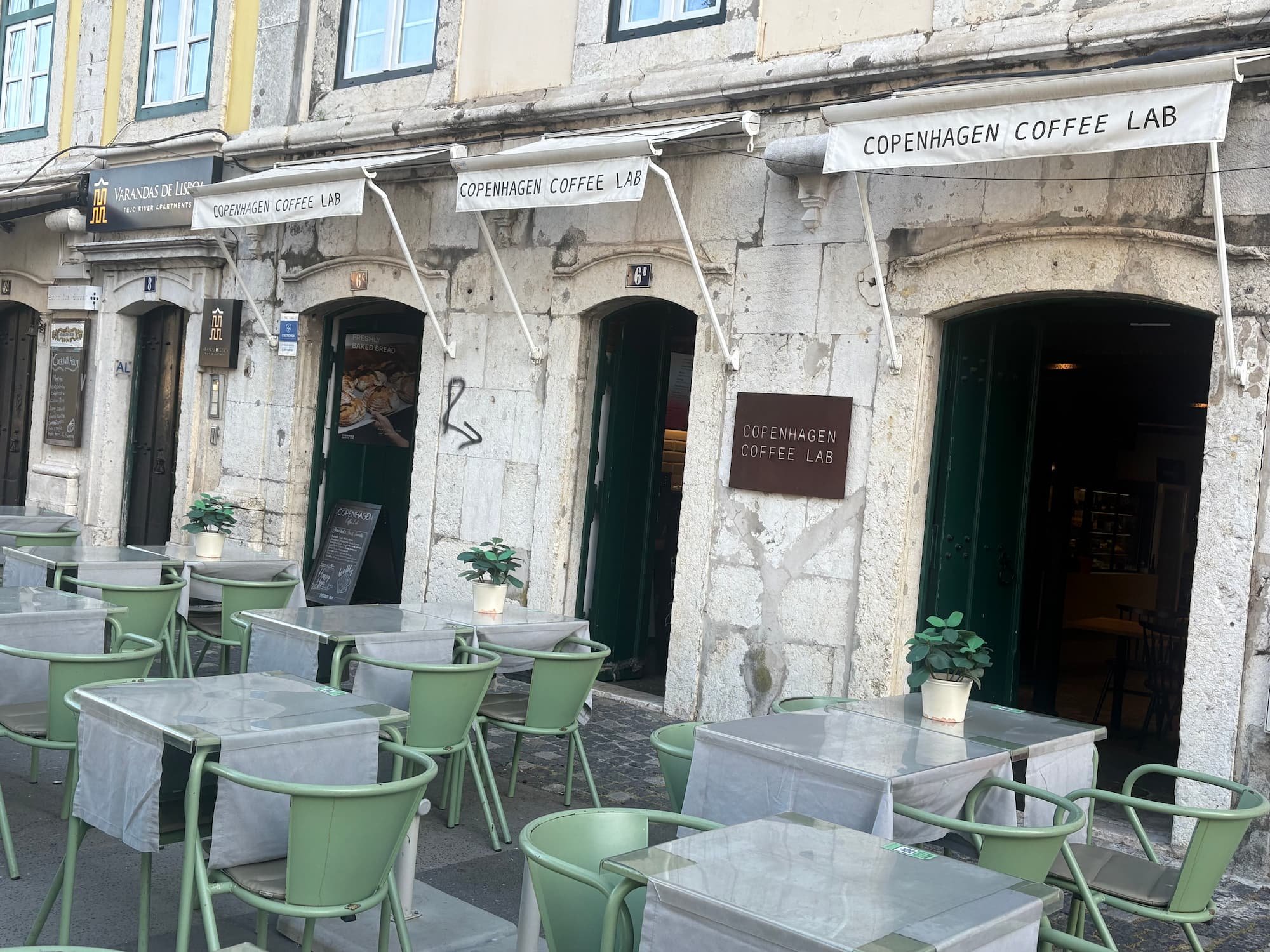
Copenhagen Coffee Lab became my go-to coffee stop in Lisbon, serving the perfect flat white and almond croissant before another morning of exploring.
Finding the best viewpoints & iconic landmarks.
Of course, no trip to Barcelona would be complete without seeing some of the city's most famous landmarks.
Standing in front of the Sagrada Família, it's difficult to comprehend both its scale and the amount of detail that has gone into every part of the basilica. Even after seeing hundreds of photos beforehand, it somehow feels even more impressive in person.
Whether I was planning the quickest metro route or checking the best time to visit to avoid the busiest crowds, having reliable data made it easy to fit these bucket-list attractions into my itinerary without wasting valuable time.
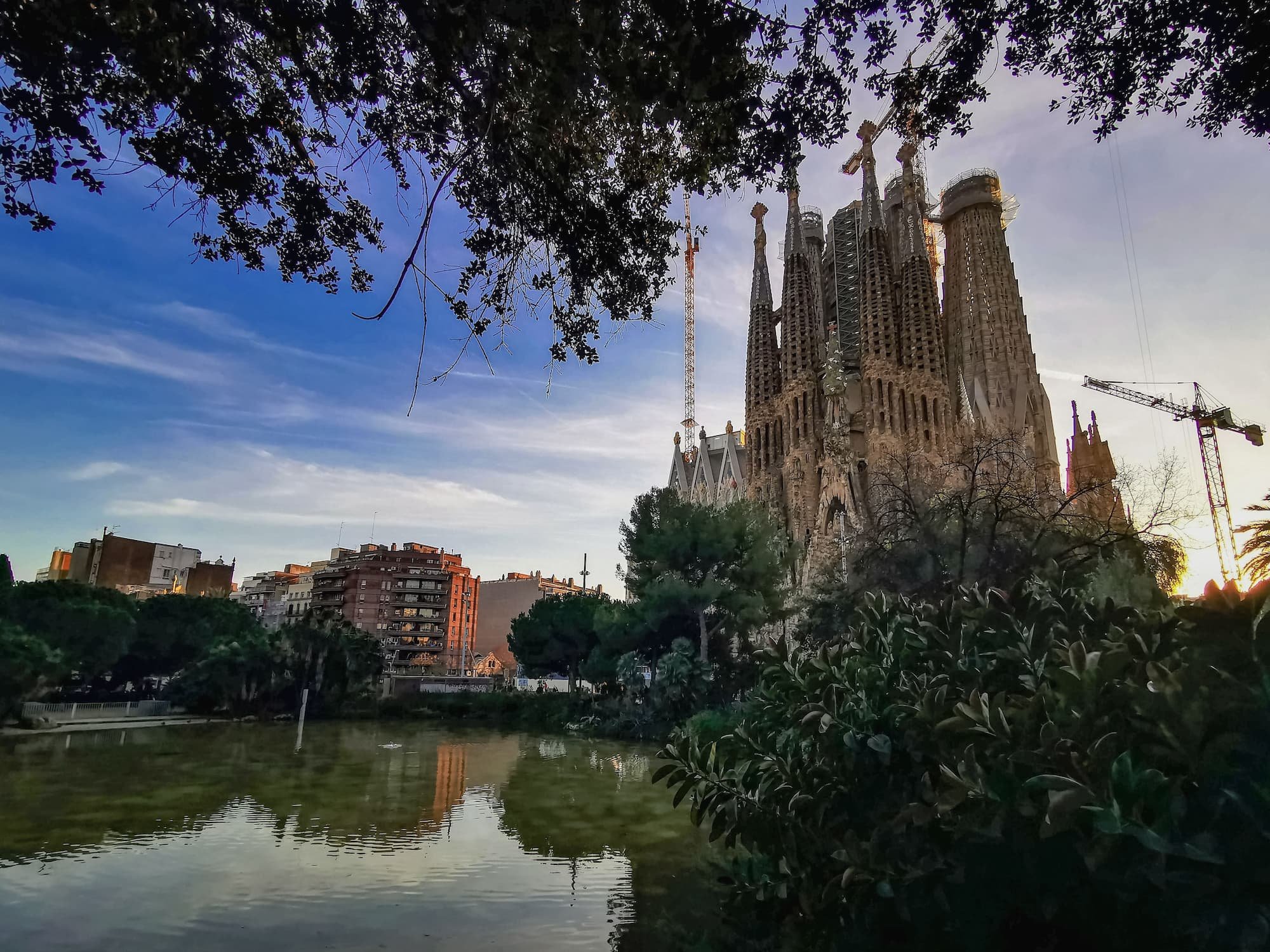
Watching the sun begin to set over La Sagrada Família, one of Barcelona's most breathtaking landmarks and a must-visit during any trip to the city.
One of my personal highlights was finally stepping inside Casa Batlló.
I'd been invited to experience one of Barcelona's most iconic buildings, and it completely exceeded my expectations.
Walking through Gaudí's colourful rooms, listening to the immersive audio guide and finishing on the rooftop terrace made it feel much more like an experience than simply visiting another historic building.
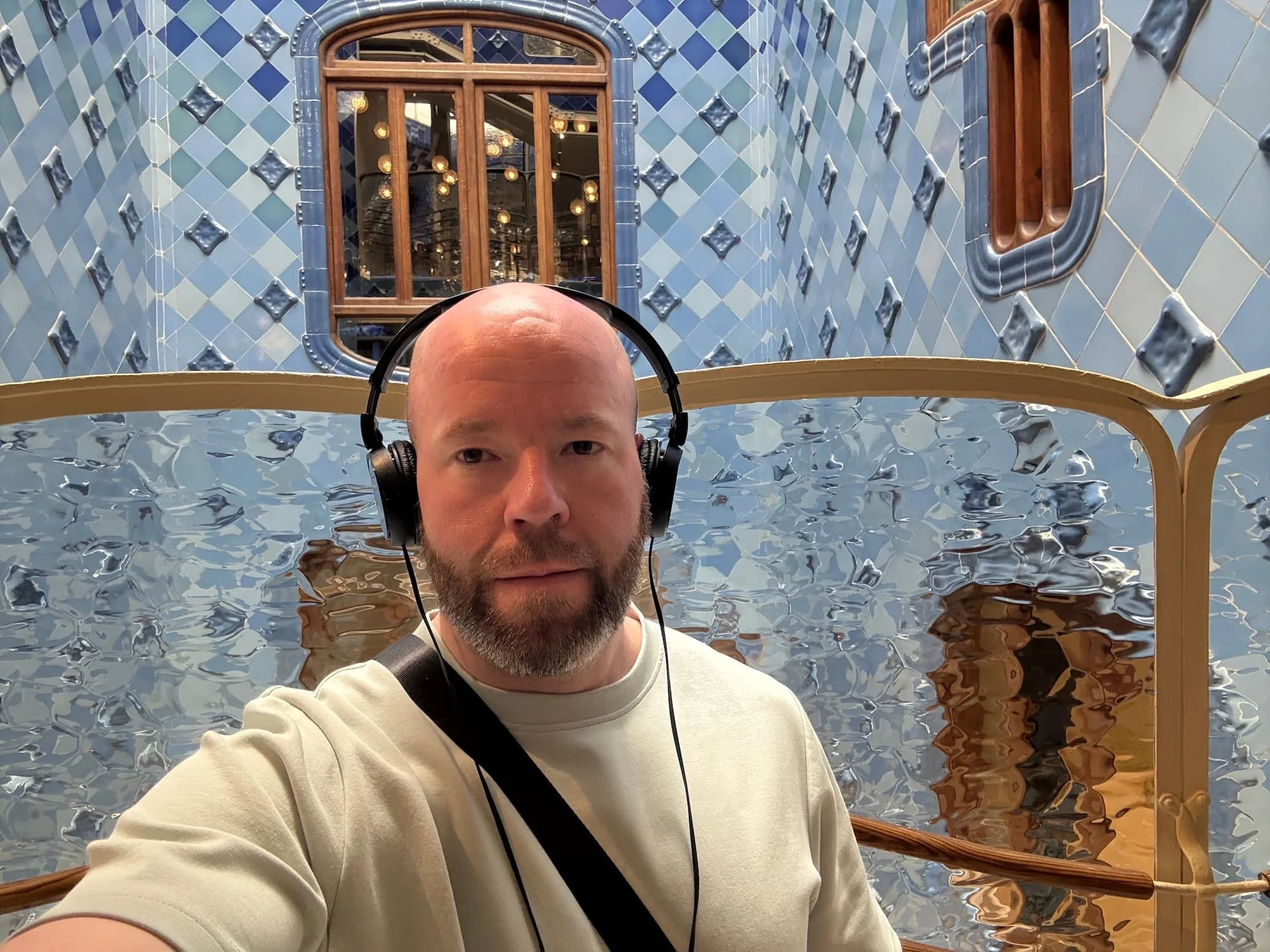
xploring the stunning interior of Casa Batlló, one of the highlights of my time in Barcelona.
Back in Lisbon, I loved how history seemed to appear around almost every corner.
One discovery I wasn't expecting was the colourful História de Lisboa mural, which tells the story of the city's past through comic-style illustrations.
Skratch always made it easy to stay spontaneous while still making the most of my time in both cities.
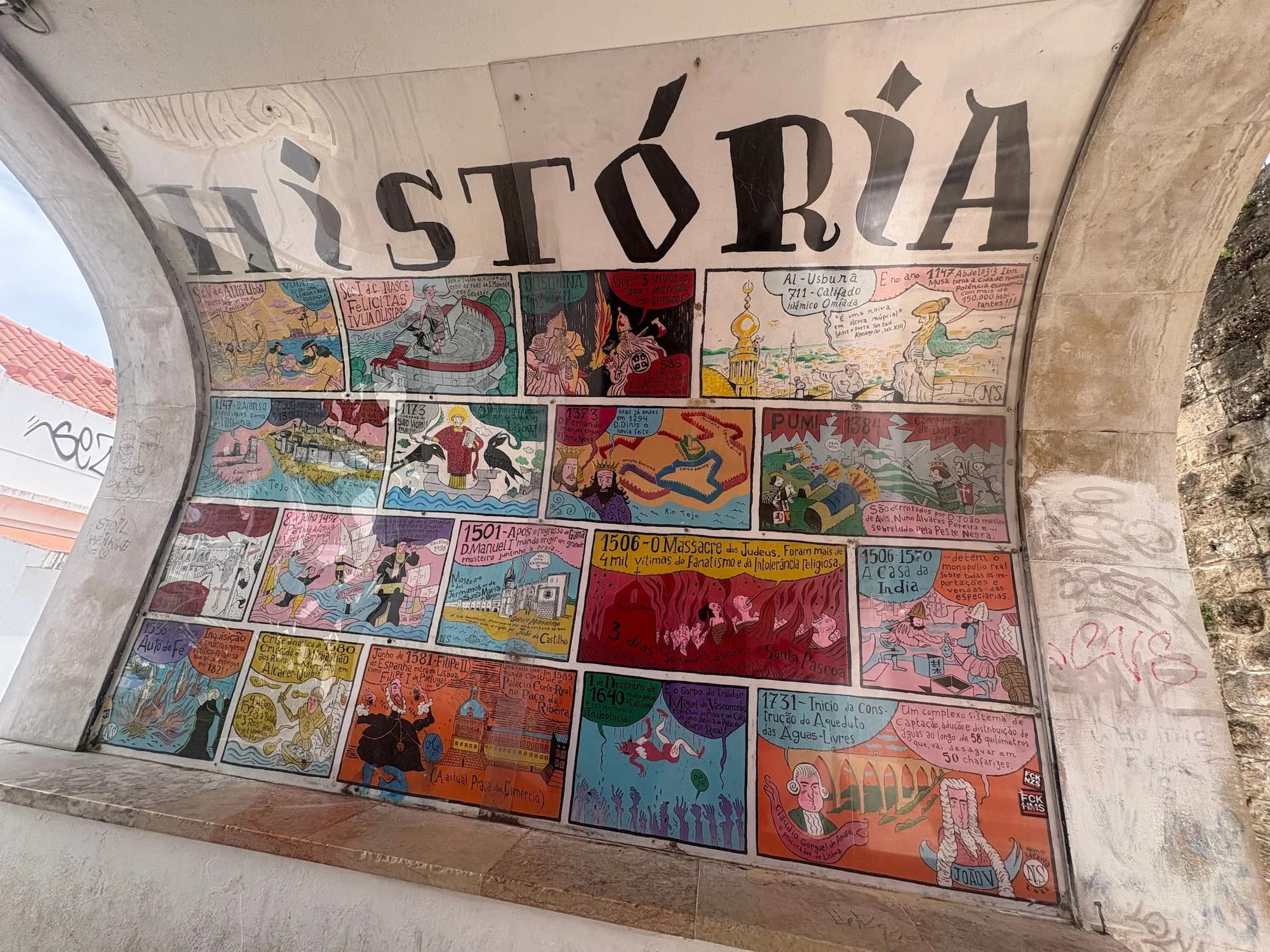
Colourful public artwork in Lisbon, celebrating the city's rich history through creative illustrations and street art.
More than just an eSim.
One thing I quickly realised was that Skratch isn't just an eSIM provider.
The wider Skratch app is already used by more than 2 million travellers to track their adventures, and after spending some time exploring the different features, I could understand why.
As someone who's been lucky enough to visit a growing number of countries over the last few years, the Skratch Map was probably the feature that caught my attention most.
You can mark the countries you've visited, build a visual map of your travels and see your adventures gradually grow over time. It's a simple idea, but one that's surprisingly satisfying if you enjoy travelling as much as I do.
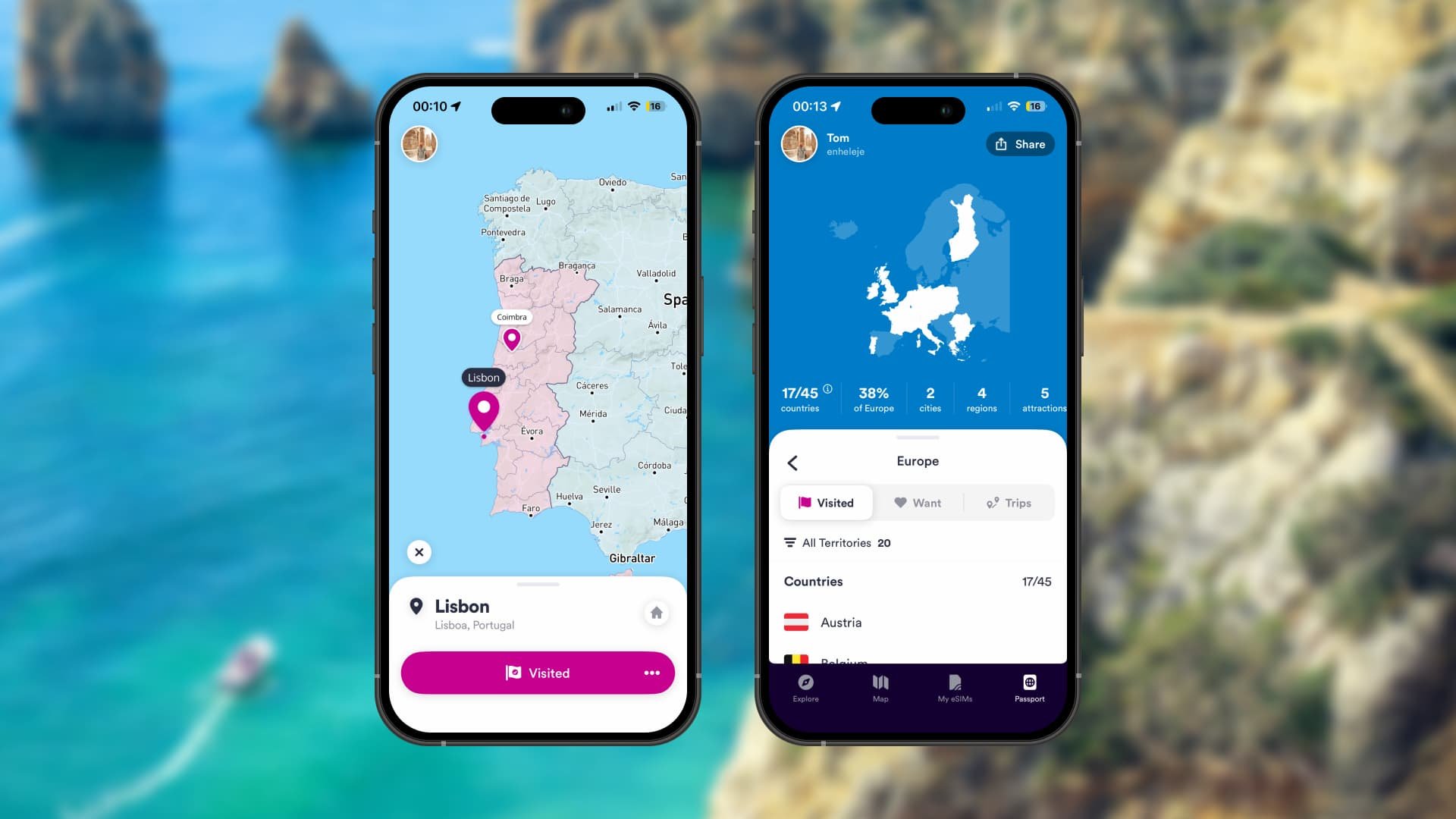
Tracking where I've travelled has become one of my favourite features of the Skratch app, making it easy to look back on past adventures and plan where to explore next.
The Bucket List feature was another one I found myself using after returning home.
Instead of keeping random travel ideas in my phone's notes, I could save destinations I wanted to visit next and keep everything organised in one place.
As someone who is constantly planning the next adventure, it was a simple but genuinely useful way to keep track of future travel inspiration. Barcelona and Lisbon had barely finished before I was already thinking about where to head next.
What I like most about Skratch is that it doesn't stop being useful once your trip is over. The eSIM kept me connected while exploring Barcelona and Lisbon, but the app has become somewhere I can look back on where I've travelled and start planning where to go next.
For someone who loves discovering new destinations, that's what makes Skratch feel like more than just another eSIM provider—it's become a travel companion I'll continue using long after I've landed back home.
Get 10% Off Your Skratch eSIM.
Tom's Travel Tip: Skratch has created the code TOMHENTY10, which gives my readers 10% off any Skratch eSIM plan.
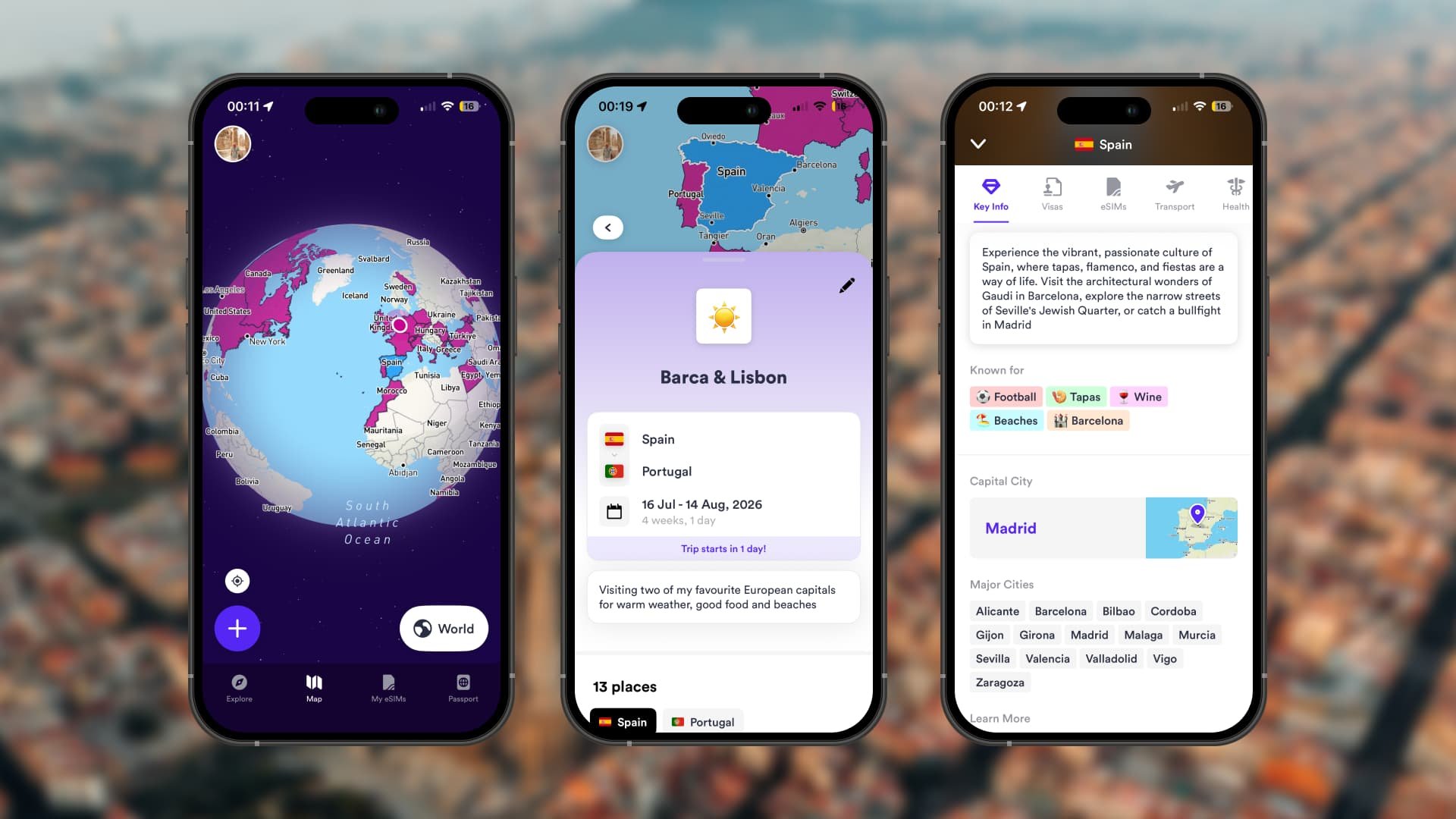
Beyond mobile data, the Skratch app helped me organise my trips, track where I'd been and discover useful information before arriving in each destination.
Skratch was the perfect companion for two spontaneous European city breaks.
Barcelona and Lisbon were perfect examples of my spontaneous travel adventures.
In Barcelona, I loved simply wandering between neighbourhoods, moving from the elegant streets around Passeig de Gràcia to the Gothic Quarter, while hitting my daily step goal.
It doesn’t get much better for vibes, then walking down Barcelona’s long beautiful boulevards.
Lisbon offered a completely different kind of adventure though. Much more of a challenge!
Some of my favourite moments came from walking alongside the city's iconic yellow trams as they climbed the steep hills of Alfama, passing colourful buildings
Throughout both trips, Skratch quietly became a key part of the trips; checking directions, finding quirky cafés, and booking tickets for Casa Battlo.
I will stick to using the app, as it is reliable, reasonable, and the Skratch map is very addictive!