
Hanoi vs Ho Chi Minh City: Which Vietnamese City should you visit?
If you’re planning a trip to Vietnam, choosing between Hanoi and Ho Chi Minh City is one of the biggest decisions you’ll make, and it’s not an easy one.
Both cities are iconic. Both are chaotic in their own way. And both offer completely different experiences of Vietnam.
After spending time in both Hanoi and Ho Chi Minh City, I quickly realised that where you base yourself will shape your entire trip, and your overall impression of the country.
Hanoi feels slower, deeper, and more traditional… A city of lakes, cafés, and thousand-year-old streets.
Ho Chi Minh City is faster, louder, and more modern, driven by energy, bright lights, and constant movement.
In this guide, I’ll break down Hanoi vs Ho Chi Minh City across vibe, culture, food, history, costs, day trips, nightlife, and travel style, all based on my first-hand experience.
By the end, you’ll know exactly which city suits your Vietnam itinerary… Or whether you should experience both.
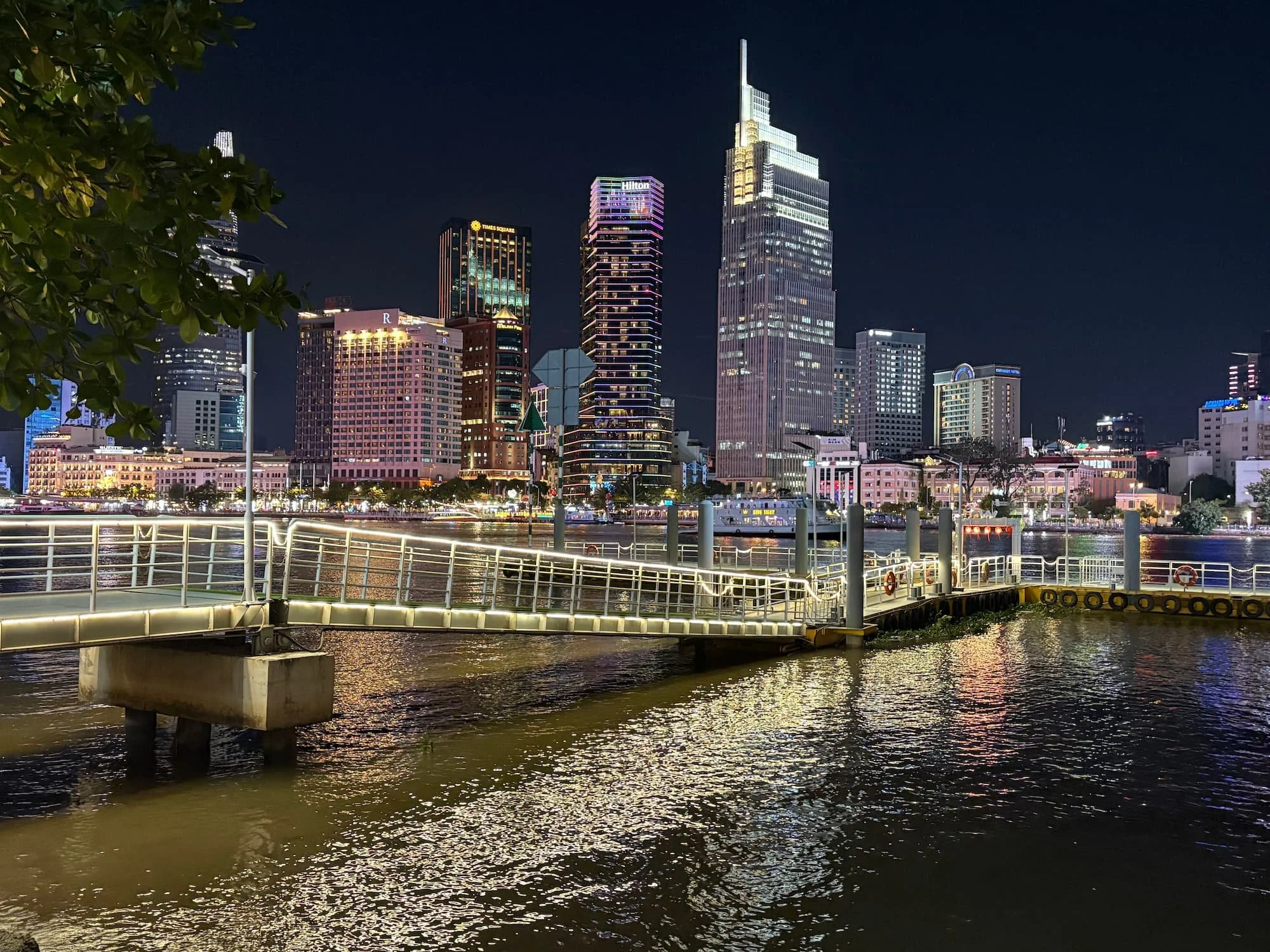
Ho Chi Minh City’s skyline comes alive at night.
Disclosure: I sometimes use affiliate marketing. This will not cost you anything, but helps with my travel costs. I only recommend companies I use myself.
Hanoi vs Ho Chi Minh City – Where to Stay for the Perfect Vietnam Trip 👇
🍃 Hanoi – Old Quarter Charm & Cultural Calm:
La Siesta Classic Ma May – One of the most loved boutique hotels in the Old Quarter, combining traditional Vietnamese style with modern comfort. Perfect for stepping straight into Hanoi’s historic streets.
Sofitel Legend Metropole Hanoi – A legendary colonial-era hotel offering timeless elegance, luxury service, and an unbeatable central location near Hoàn Kiếm Lake.
🌆 Ho Chi Minh City – Skyline Views & Big-City Energy:
The Reverie Saigon – Ultra-luxury in the heart of District 1, with stunning city views, world-class dining, and a real “wow” factor. Ideal if you want to experience Saigon at its most glamorous.
Hotel des Arts Saigon – A stylish boutique hotel blending French colonial flair with modern design, rooftop pool included. Great for first-time visitors wanting comfort and location.
Best Tour from Hanoi:
👉 Ha Long Bay Day Cruise or Overnight Boat Tour - The most iconic experience in northern Vietnam.
Best tour in Ho Chi Minh City:
👉 Cu Chi Tunnels Half-Day Tour – The most popular and eye-opening day trip from the city.
Hanoi vs Ho Chi Minh City – at a glance.
Both Hanoi and Ho Chi Minh City are essential stops on any Vietnam itinerary, but they offer two very different travel experiences.
Hanoi gives you history, tradition, and a slower pace — think lakeside cafés, narrow Old Quarter streets, and centuries-old temples. Ho Chi Minh City, on the other hand, is fast, modern, and energetic — driven by skyscrapers, nightlife, and a constant buzz of movement
Hanoi.
Vibe: Traditional · Atmospheric · Historic.
Best for: Culture lovers · Slow travellers · Food explorers.
Scenery: Lakes, tree-lined streets, colonial architecture.
Food Scene: Street food legends, local eateries, egg coffee cafés.
Nightlife: Low-key bars, live music, Old Quarter beer spots.
Ho Chi Minh City.
Vibe: Fast-paced · Modern · Energetic.
Best for: First-timers · City lovers · Nightlife fans.
Scenery: Skyscrapers, wide boulevards, urban sprawl.
Food Scene: Street food stalls, rooftop dining, global cuisine.
Nightlife: Bui Vien Street, rooftop bars, late-night clubs.
If you’re craving culture, character, and a more traditional feel — Hanoi wins.
If you want big-city energy, modern Vietnam, and non-stop action — Ho Chi Minh City delivers.
Vibe & Atmosphere – Old Soul or Modern Energy?
I found both Vietnamese cities to be very chaotic…
However, the biggest difference between Hanoi and Ho Chi Minh City isn’t the sights, it’s how each place feels when you’re actually there.
At first, it felt intense, but then Hanoi draws you in slowly. It’s busy, but measured.
My mornings started calmly around Hoàn Kiếm Lake, watching the locals exercising, the cafés opening up, and everybody easing into the day.
Even in the Old Quarter, where scooters fill the narrow streets, the chaos feels controlled and familiar rather than overwhelming. Hanoi feels traditional, routine-driven, and deeply rooted in its past.
This is one of the biggest draws to Hanoi for international tourists wanting to feel the authentic side of Vietnam.
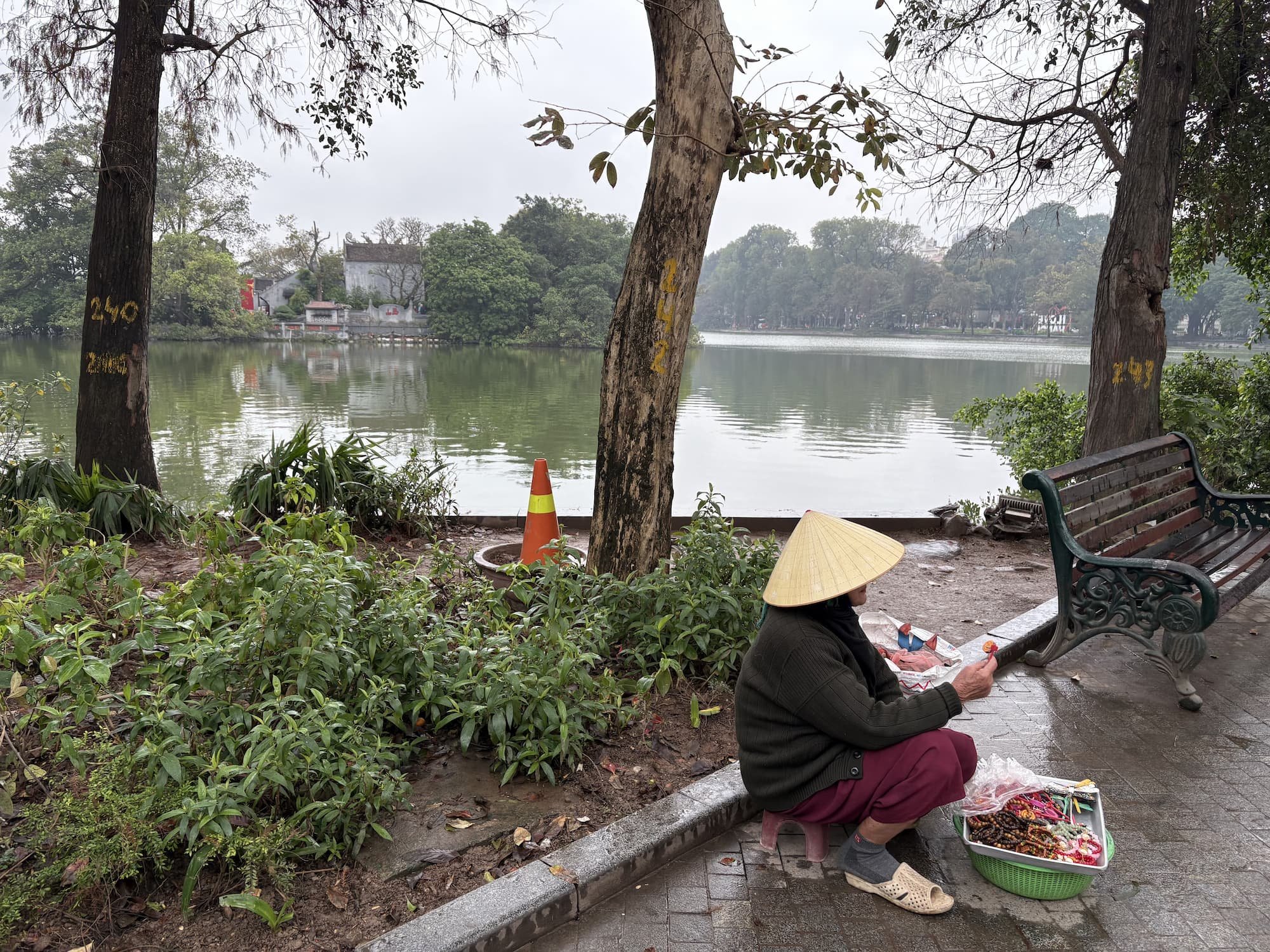
Peaceful scenes at Hoàn-Kiếm-Lake.
Whereas, Ho Chi Minh City hits you immediately….
From the traffic to the noise to the sheer scale of the city, everything feels faster and more intense.
Watching the thousands of scooters fill the streets on my way to the city from the airport gave me a real glimpse of what was to come. This did actually turn out to be one of my favourite things during my time in Ho Chi Minh City though.
Cafés are packed with people working, streets are louder, and the city feels permanently switched on. It’s modern, ambitious, and constantly moving forward.
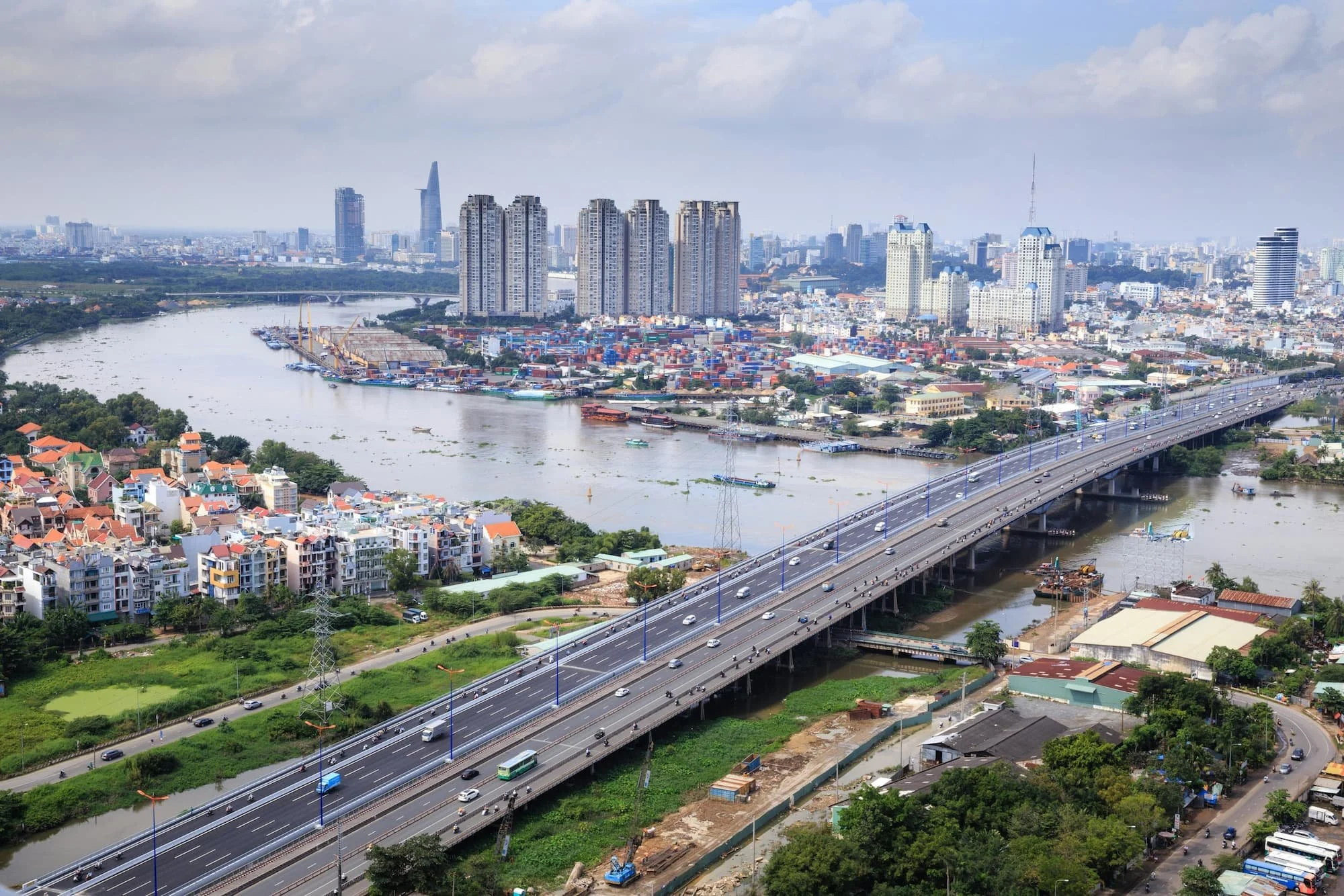
Ho Chi Minh City.
Hanoi – Vietnam’s Historic Heart.
Hanoi is often called the historic heart of Vietnam, and after spending time here, it’s easy to understand why.
This has been the country’s political and cultural centre for over a thousand years, and unlike other major cities, that history hasn’t been polished away or boxed into museums.
I could feel it just walking around. Families still living above old shopfronts, pagodas stood quietly between homes, and traditions like the water puppet shows have stood for centuries.
Hanoi doesn’t rush to impress you. It rewards slowing down, wandering, and paying attention, and that’s where I found the capital’s true character.
The architecture alone is interesting enough to fill a whole morning exploring.
If you’re planning to explore the city for several days, my 3 day travel itinerary for Hanoi will show you exactly how to make the most of your time.
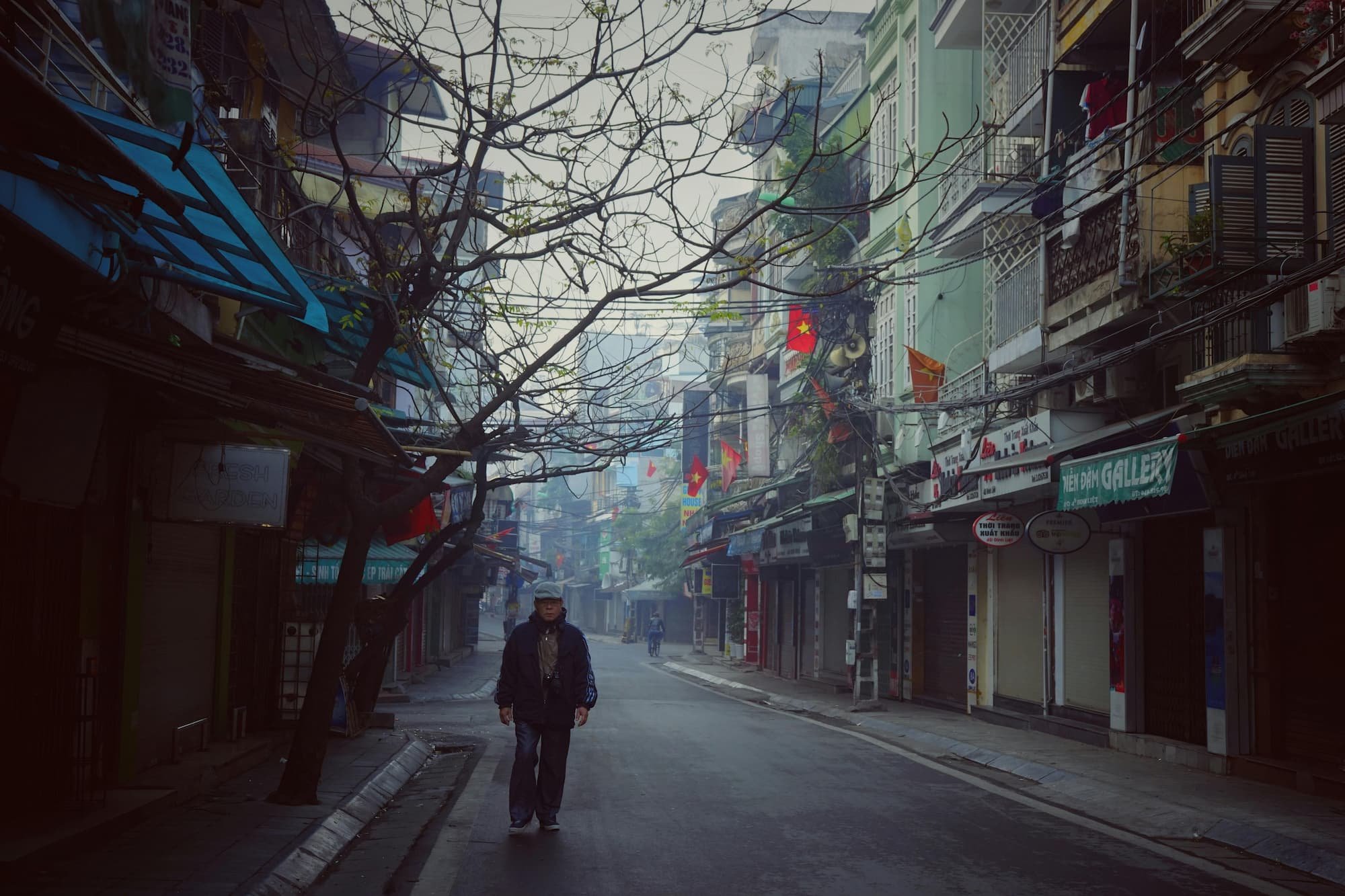
A very early morning in the Old Quarter.
Lakes, cafés & everyday street life.
There is no doubt that Hanoi is very chaotic, which makes it one of the best destinations in South East Asia, however, peace can be found in the city.
Despite the surrounding chaos, I still found myself on a daily walk around Hoàn Kiếm Lake, able to take in the scenery. The turtle tower as the centrepiece of the lake, and some very fascinating mixed architecture in the buildings which surround it.
Hanoi also surprised me with just how good the café scene is… It’s truly world class.
Coffee here is part of daily life. Whether it’s strong Vietnamese drip coffee, egg coffee, or iced milk coffee, Hanoi does cafés exceptionally well.
One of the most memorable spots I visited was The Note Coffee, just a short walk from the lake.
The entire café is covered floor to ceiling in handwritten notes left by travellers from all over the world. It’s quirky, chaotic, and strangely wholesome, very Hanoi in its own way.
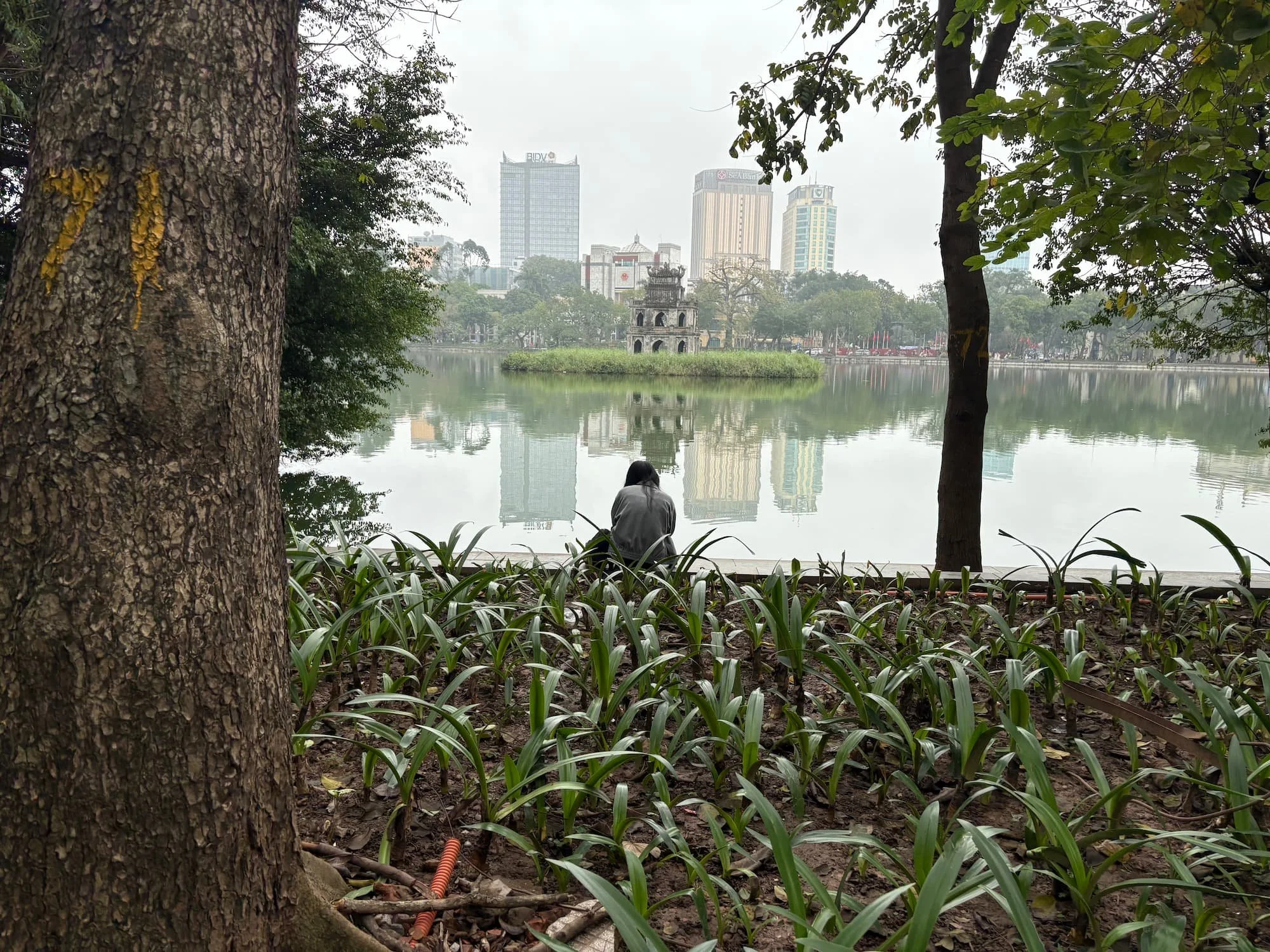
A peaceful moment in the capital.
A city of culture.
One of the things that I really enjoy in Hanoi is the city’s culture showing through its pagodas…
They are everywhere!
Right on the edge of Hoàn Kiếm Lake, Ngọc Sơn Temple sits quietly above the water, and standing there, looking out across the lake, felt surprisingly peaceful considering I was right in the city centre.
The view back across the water, with the Turtle Tower in the distance was one of my favourite moments in Hanoi
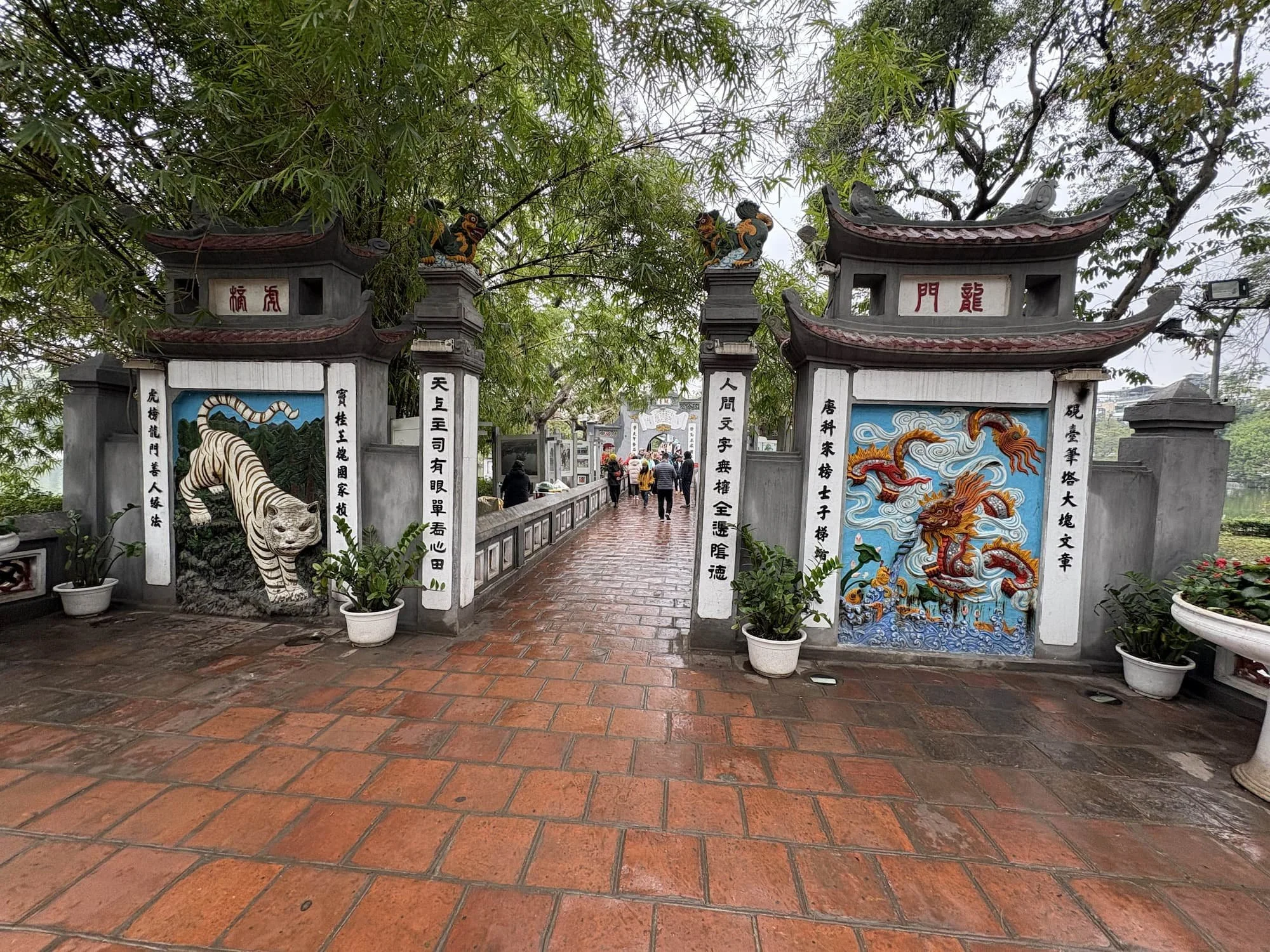
Ngoc Son Temple.
Ho Chi Minh City – Vietnam’s Modern Powerhouse.
Ho Chi Minh City feels like Vietnam in fast-forward…
Especially compared to the north…
From the moment I arrived, everything moved quicker, scooters everywhere, cafés buzzing from early morning, and the locals were always in a rush
Where Hanoi feels rooted in tradition, Ho Chi Minh City feels focused much more on progress, and that energy defines the entire experience of the city.
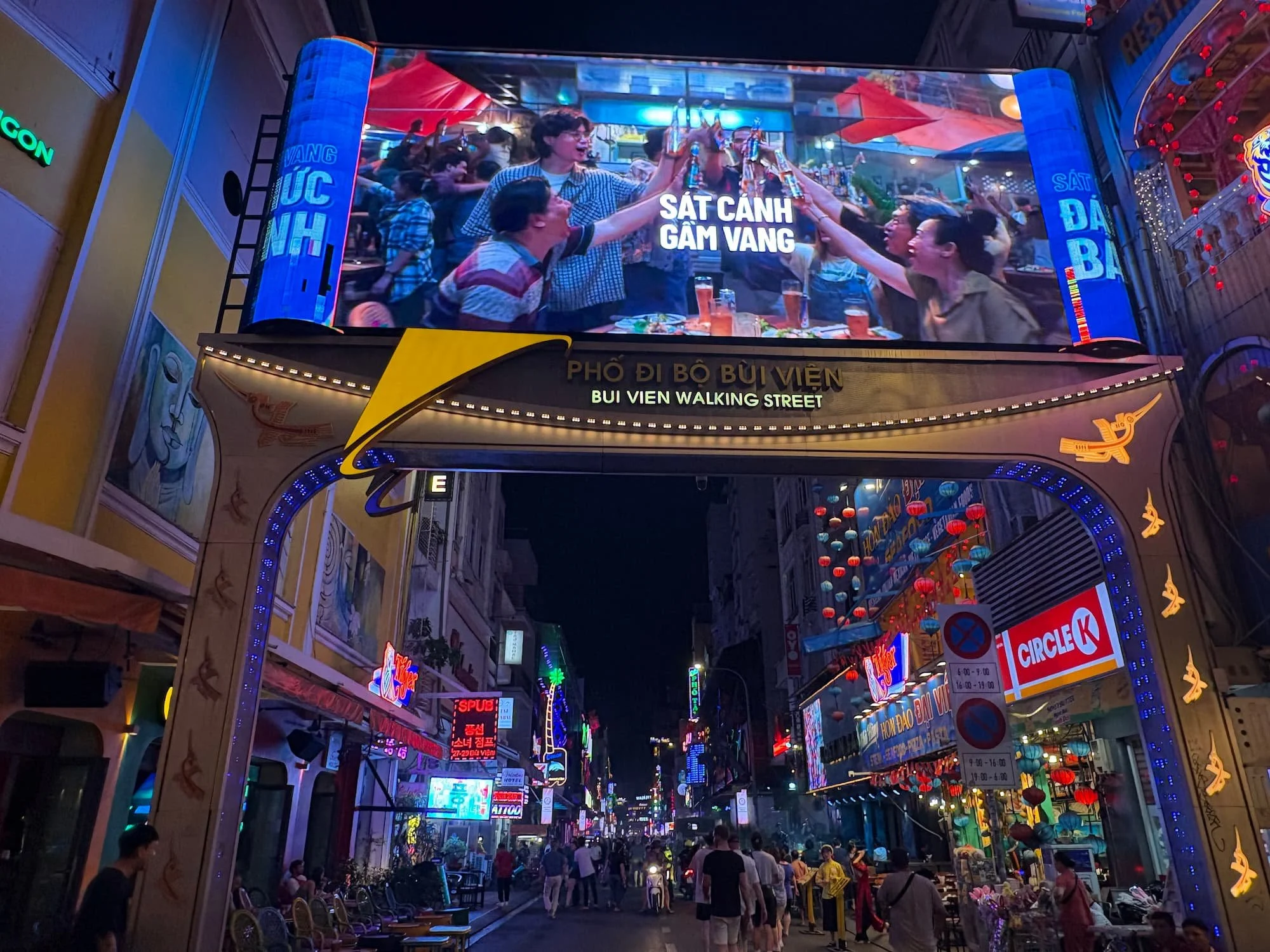
The start of the most famous street in Saigon.
Big-city energy, rooftop bars & nightlife.
Ho Chi Minh City runs on momentum.
District 1 is intense but exciting, packed with coffee shops, coworking cafés, and street food stalls that stay busy from morning to night.
By evening, the city shifts upwards, rooftop bars overlooking the skyline, neon-lit streets, and nightlife hubs like Bui Vien Street kicking into full swing.
Even if nightlife isn’t your focus, just watching the city from above with a drink is pretty epic!
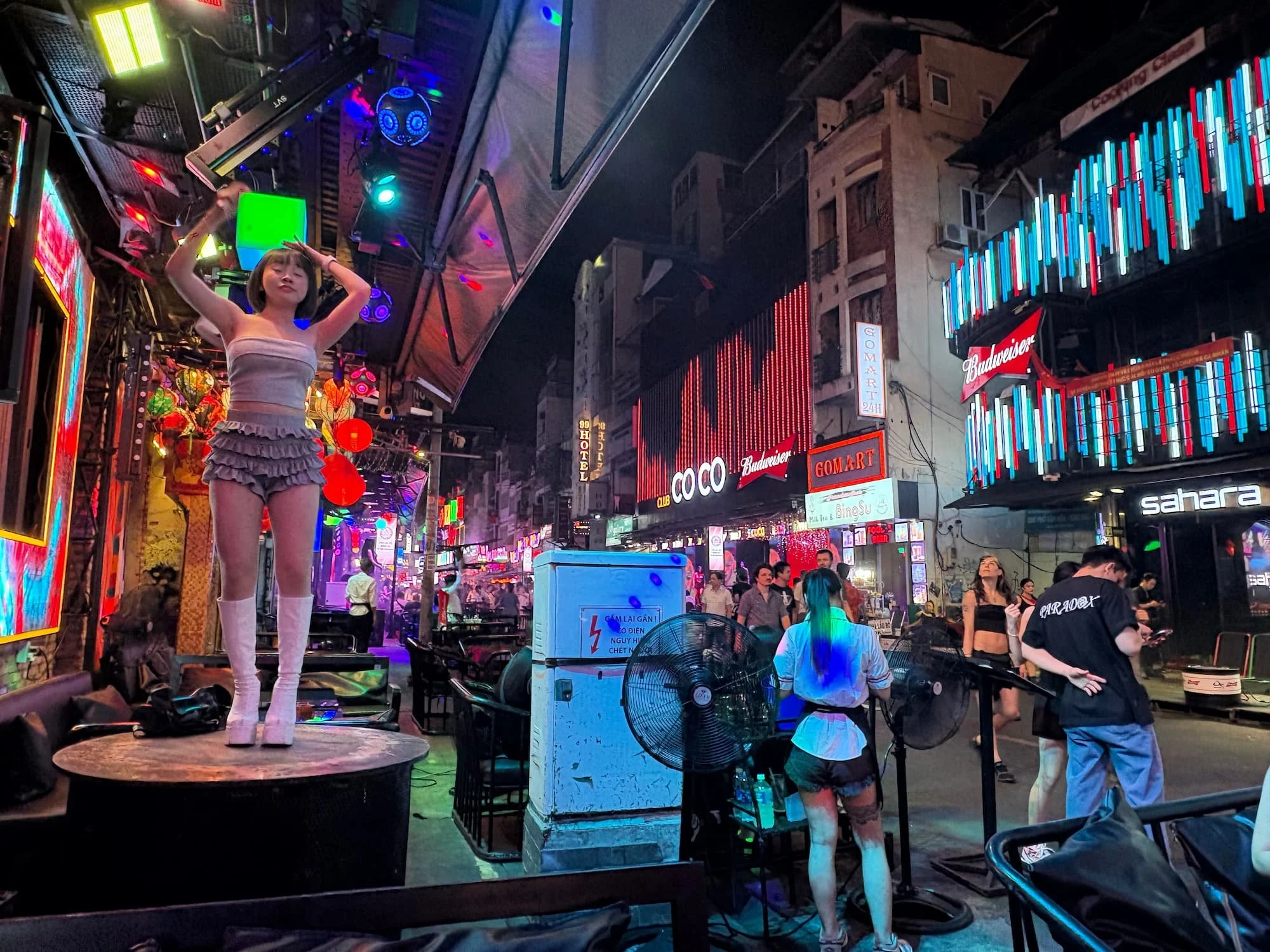
A very lively street.
Great for fast-paced trips & first-time city explorers.
Ho Chi Minh City is ideal if you like busy itineraries and constant stimulation.
You can pack a lot into a short stay…
History museums, markets, cafés, and major sights, which is why it works so well if you only have one day in Ho Chi Minh City or are visiting Vietnam for the first time.
It’s not a city I personally slow-travelled in the same way as Hanoi, but for quick trips, introductions to Vietnam, or travellers who enjoy big-city chaos, Saigon is ideal.
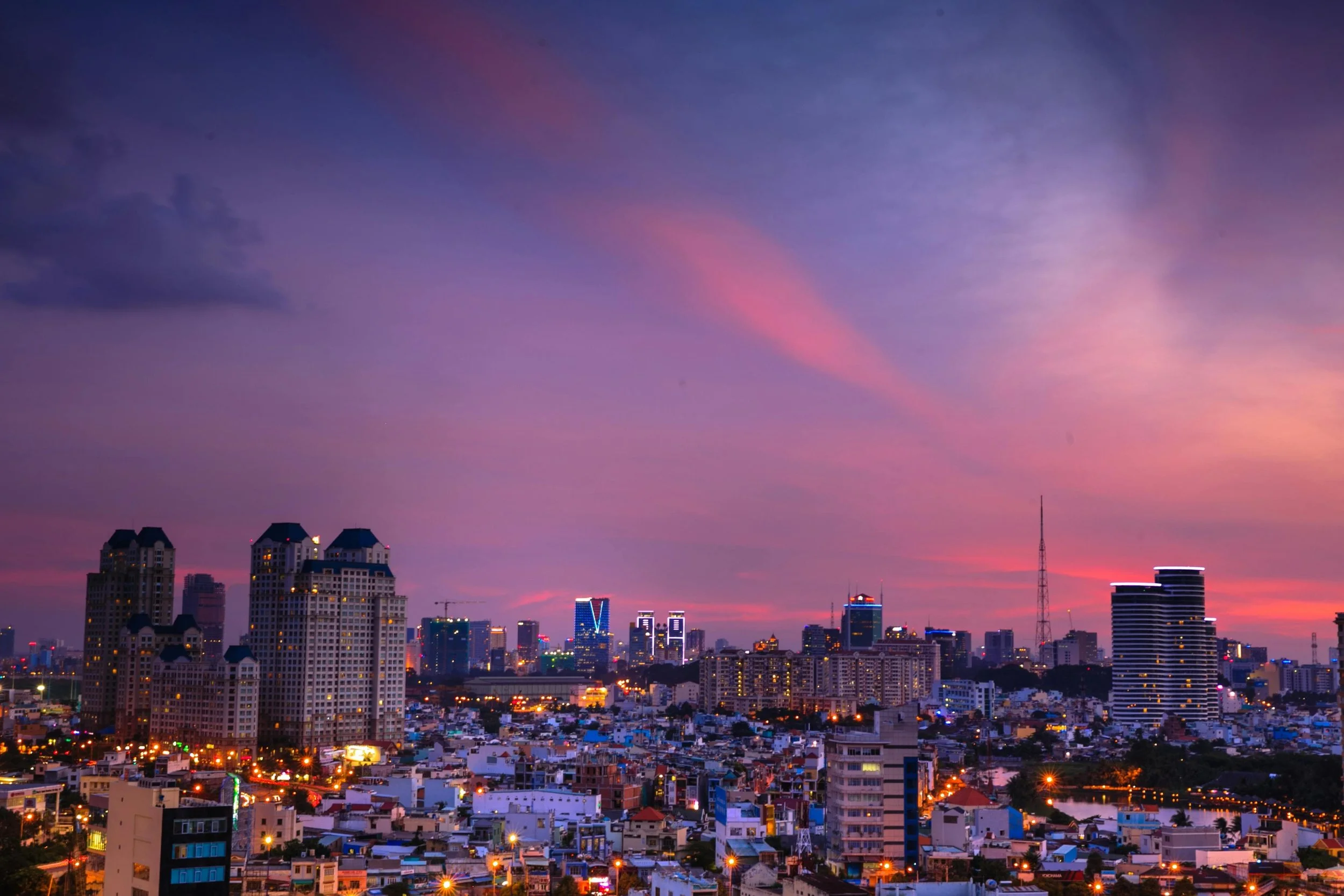
Sunset over Saigon.
Culture & History – Dynasties or War Stories?
One of the biggest differences between Hanoi and Ho Chi Minh City isn’t just how they look — it’s which chapter of Vietnam’s story they represent.
Hanoi’s history stretches back over a thousand years, shaped by emperors, dynasties, and traditions that still influence daily life today. Ho Chi Minh City’s story is far more recent, intense, and tied closely to war, resilience, and rapid transformation.
Both are fascinating, but they connect you to Vietnam’s past in very different ways.
Some of the best history tours I have experienced have been in Vietnam and Cambodia, it is a very interesting area of the world…
There is a lot to learn in both cities!
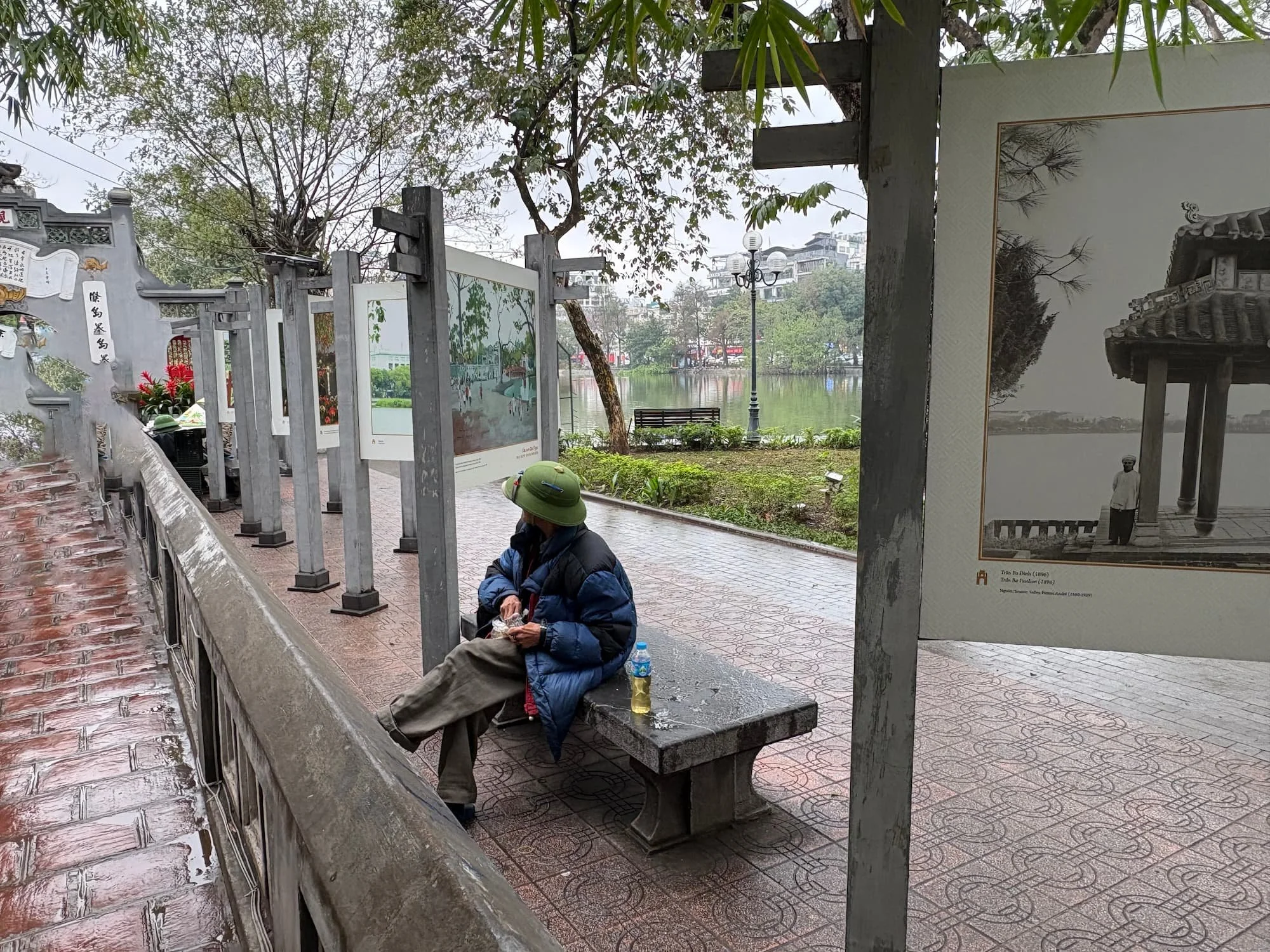
A historic feel at the pagodas in Hanoi.
Hanoi’s Thousand-Year Legacy.
Hanoi feels deeply historic in a way that I found to be more subtle rather than showy.
The city has been Vietnam’s political and cultural centre for over a thousand years, and that continuity is everywhere once you start paying attention, not just in the landmarks, but in daily life.
I watched a traditional water puppet show and realised the Vietnamese love to continue traditions, to maintain its deep cultural roots, especially in Hanoi.
The water puppets show is an art form that dates back to the 11th century, originally performed in flooded rice fields, and it’s still told today using the same stories, music, and techniques.
It didn’t feel staged or gimmicky, just another example of Hanoi preserving its traditions.
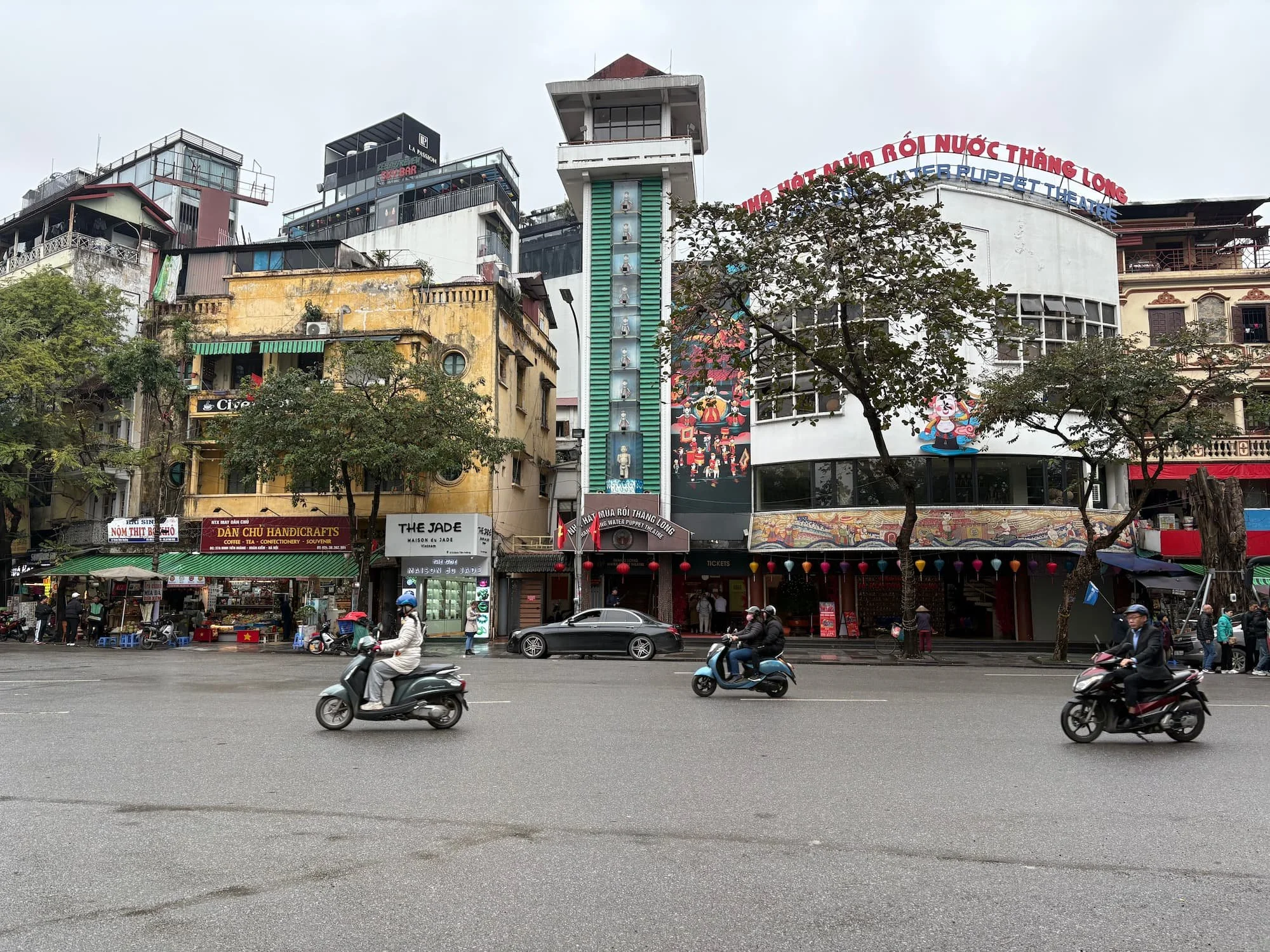
The famous water puppet theatre near the French Quarter.
That same idea shows up in the city’s street art too, especially around Phung Hung Mural Street.
I loved deciphering the city’s history through murals,a s they are designed in a way to tell stories.
They depict Hanoi across different eras, including old tram lines, street vendors, family life, which gives you a visual timeline of the city without needing a guide or museum label.
I love street art in every city I visit, but the murals felt culturally important here.
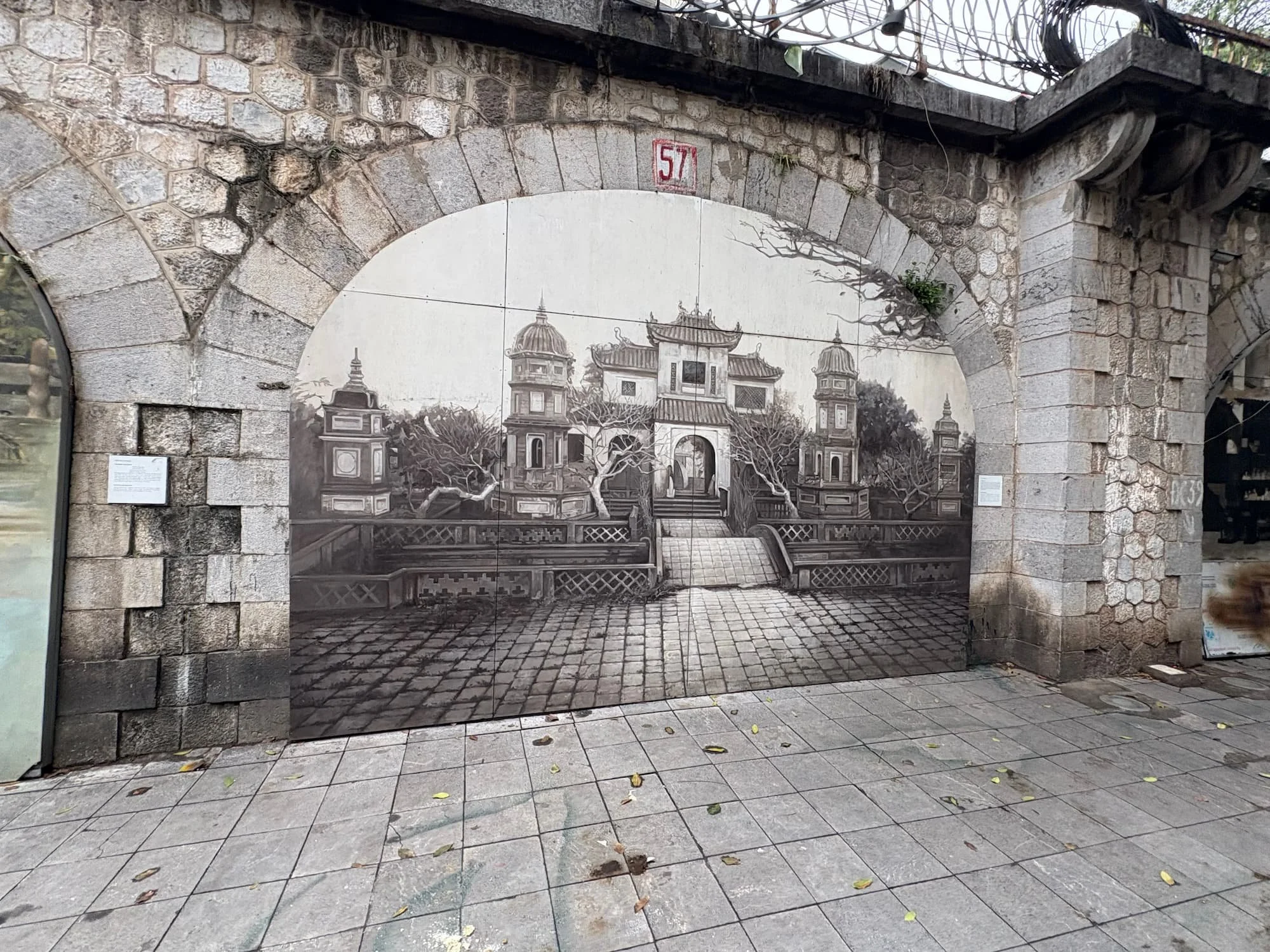
Phung Hung Mural Street.
And then there are the quieter random moments, like stumbling across the most random ancient pagoda tucked between homes.
I couldn’t see any tourists here, it was just an active place of worship that has been used for centuries.
Hanoi’s history is woven into neighbourhoods, rituals, and daily life, and that’s what makes the city feel so deeply connected to its past.
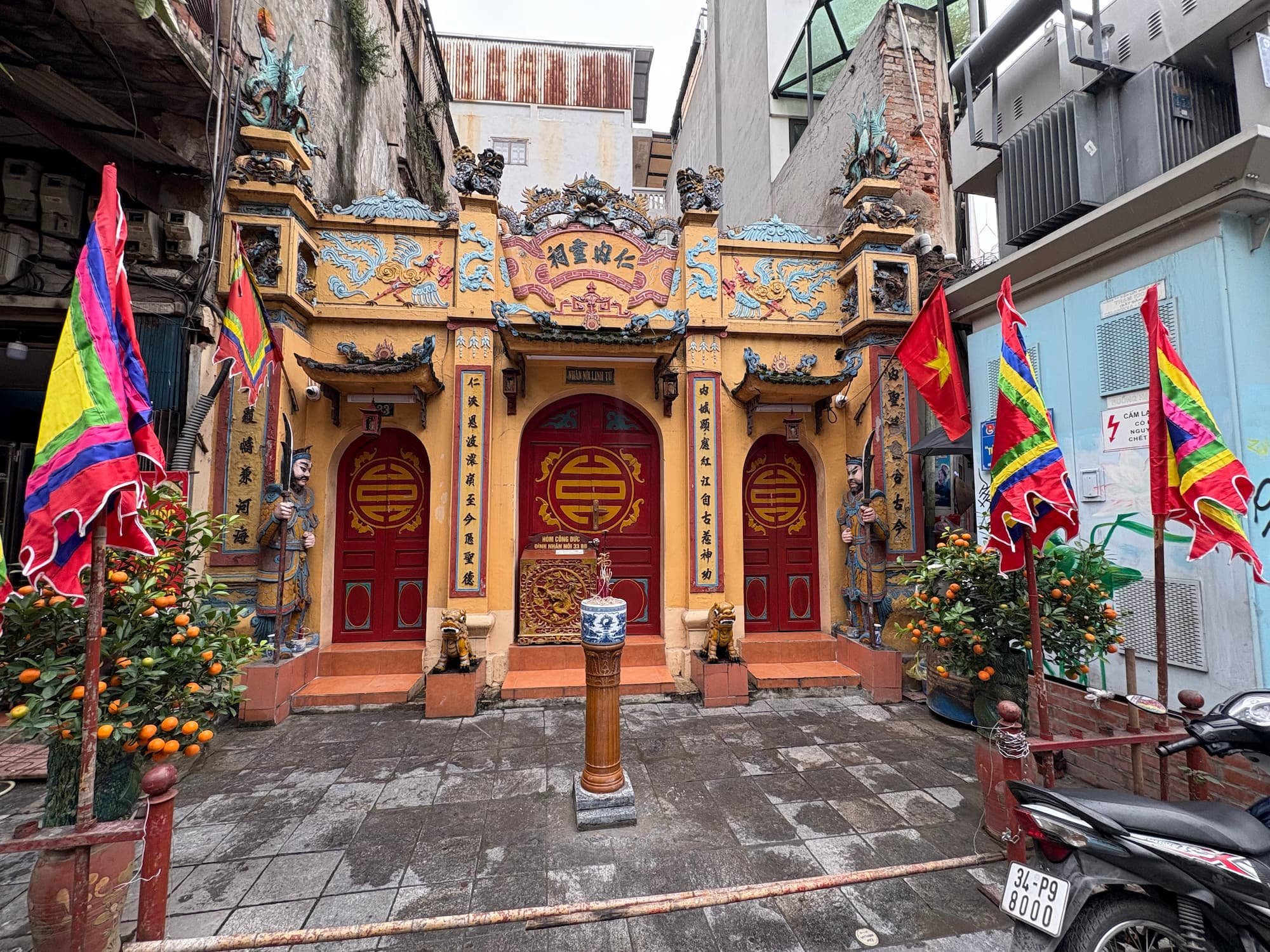
An ancient pagoda in a random side street.
Ho Chi Minh City’s Modern History.
Ho Chi Minh City’s history hits harder, and feels much more recent.
This is the city where Vietnam’s 20th-century story really unfolds, shaped by colonial rule, the Vietnam War, and the country’s rapid shift into a modern economy.
The focus here isn’t ancient dynasties, it’s survival, resistance, and rebuilding…
Oh, and Guerrilla warfare!

An example of the warfare tactics used in the Cu Chi Jungle.
Visiting places like the Cu Chi Tunnels completely changed how I understood the war…
It really felt like a hands-on history lesson.
Crawling through those exact narrow passages where the Vietnamese soldiers once did, made the conflict feel very real, in a way that books and films can’t
Museums across Saigon focus heavily on this period, offering a raw perspective.
What makes Ho Chi Minh City different from Hanoi is that it doesn’t dwell quietly on its past, it builds forward from it.
Both are very interesting cities for learning.
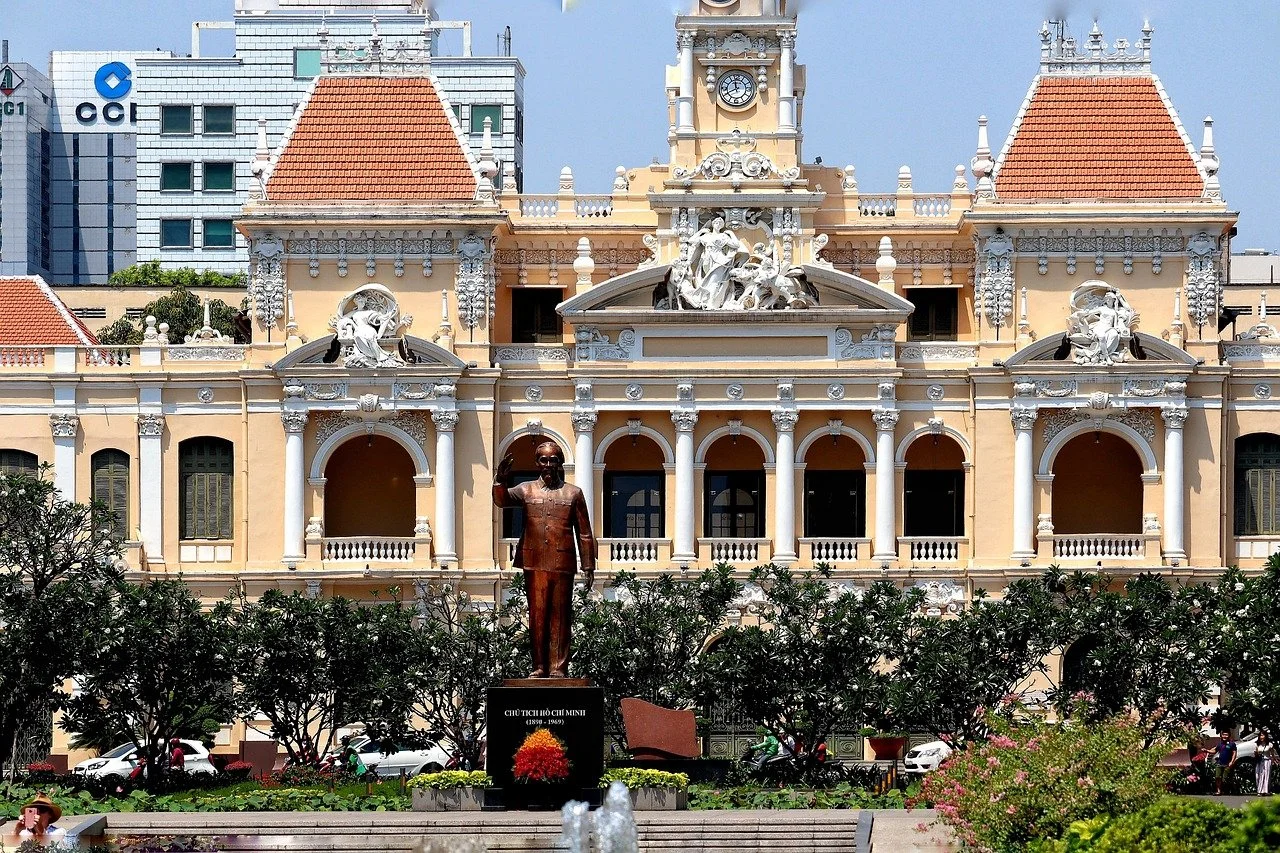
Saigon’s Town Hall.
Food Scene – Local delights or International fusion.
Food is a huge part of travelling Vietnam, and Hanoi and Ho Chi Minh City offer very different eating experiences.
Both are amazing in their own way…
As with most things, the food in Hanoi feels more traditional and local-led, with simple meals that are cooked very well, and tied closely to the locals' preferences.
Ho Chi Minh City, on the other hand, felt more like a global food hub, with bigger menus, more international influence, and endless options all day and night
I ate well in both cities, but the experiences were slightly different.
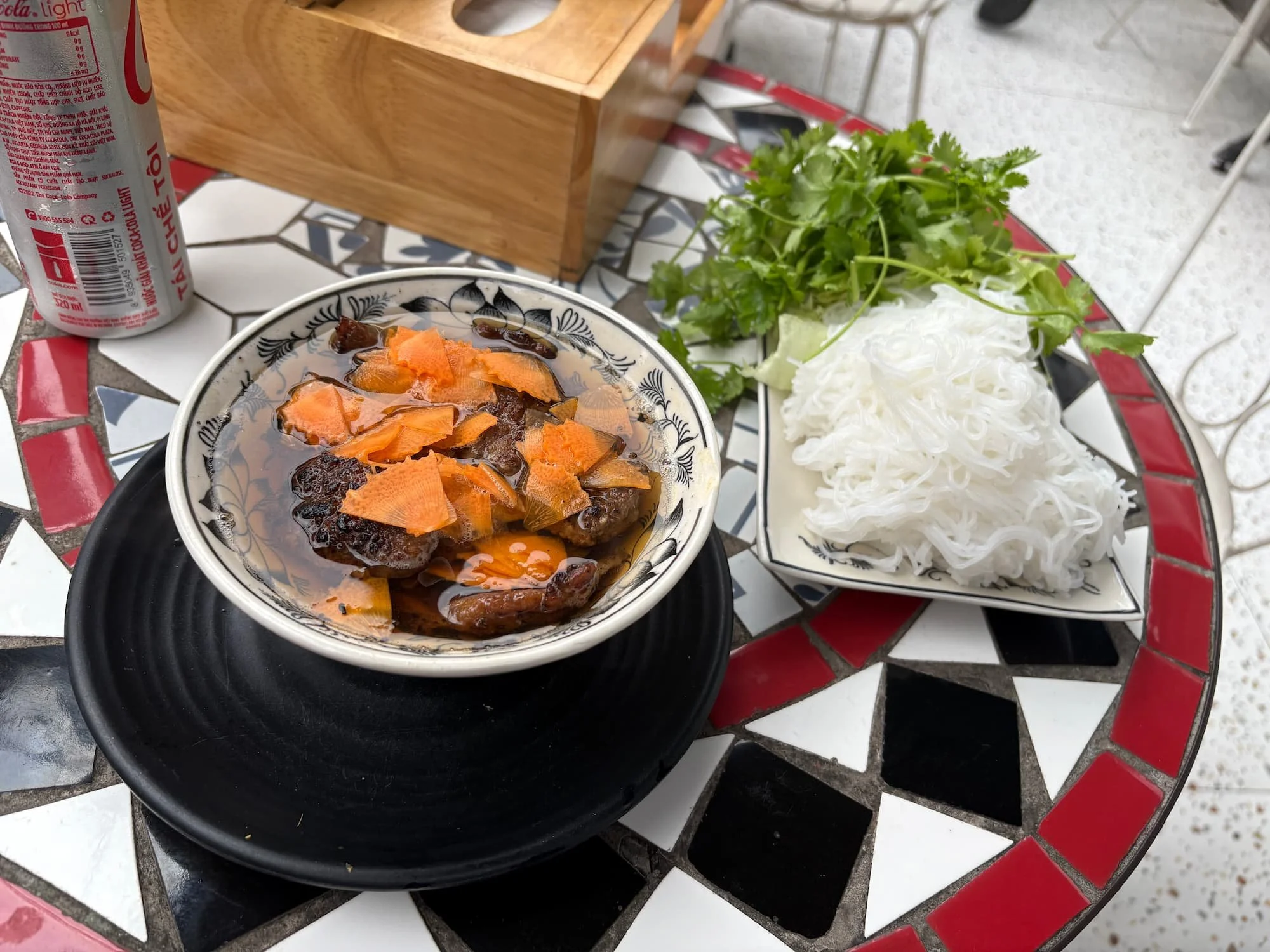
Bun Cha in Hanoi.
Eating in Hanoi.
Hanoi rewards curiosity and patience when it comes to food.
I have had both amazing, and terrible food experiences in the Vietnamese capital.
Some of my favourite meals came from no-frills spots with plastic stools, short menus, and locals eating the same dish they’ve probably ordered for years.
I found that many places in Hanoi do just one or two things really well, so it was no surprise when I found an incredible bun cha, and some of the freshest spring rolls ever.
Hanoi’s food scene is one of my favourites from anywhere in the world.
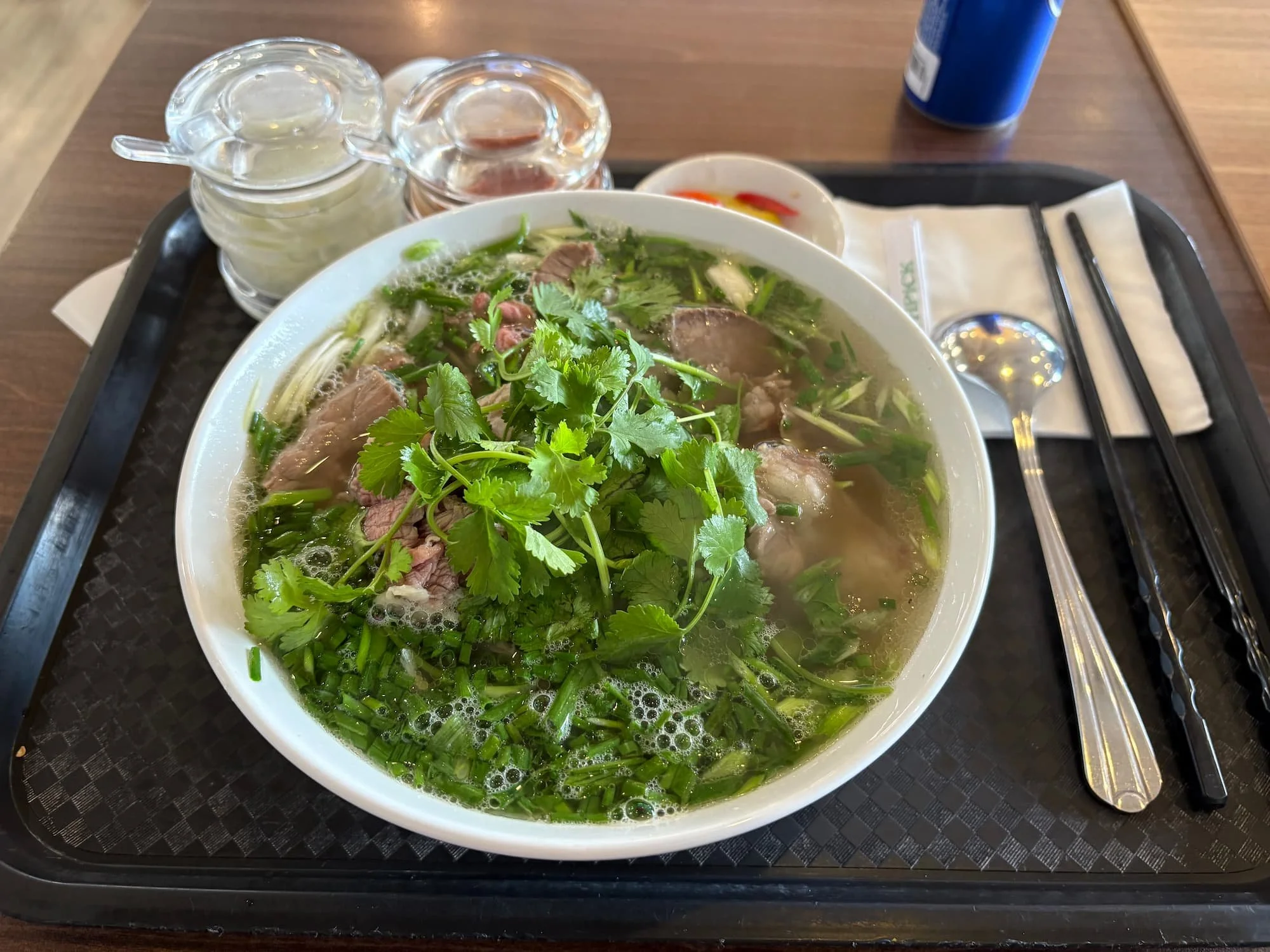
Pho.
Finding the Old Quarter’s hidden gems.
One of my go-to stops was Bánh Mì 25, tucked just off the Old Quarter streets.
It’s very popular with the locals and international tourists, with fresh bread, generous fillings, consistently good flavours, and some very kind staff creating a very good experience, and the perfect introduction to Vietnam’s banh mi tradition.
Whenever you see a mix of locals and travellers queuing, it is usually a very good sign in Hanoi.
It’s the perfect quick lunch between wandering streets, or heading towards Train Street, and one of the best ways to feel like a local.
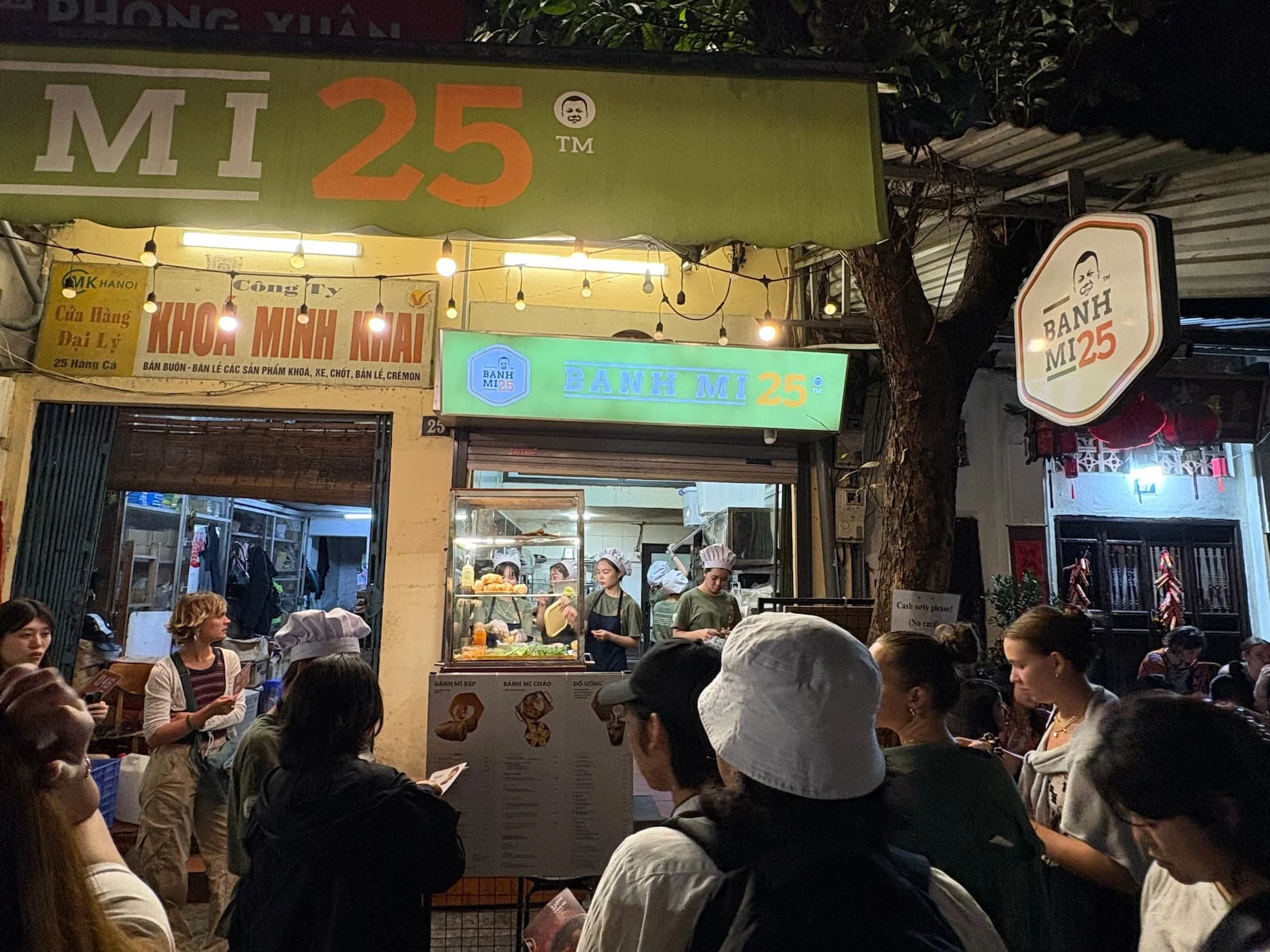
A hidden gem in Hanoi.
Trying your first egg coffee.
You can’t visit Hanoi without trying egg coffee, and the best place to do it is where it all began.
Café Giang is the birthplace of egg coffee, dating back to the 1940s…
The delicacy sounds strange until you try it, with strong Vietnamese coffee being topped with a warm, creamy egg foam.
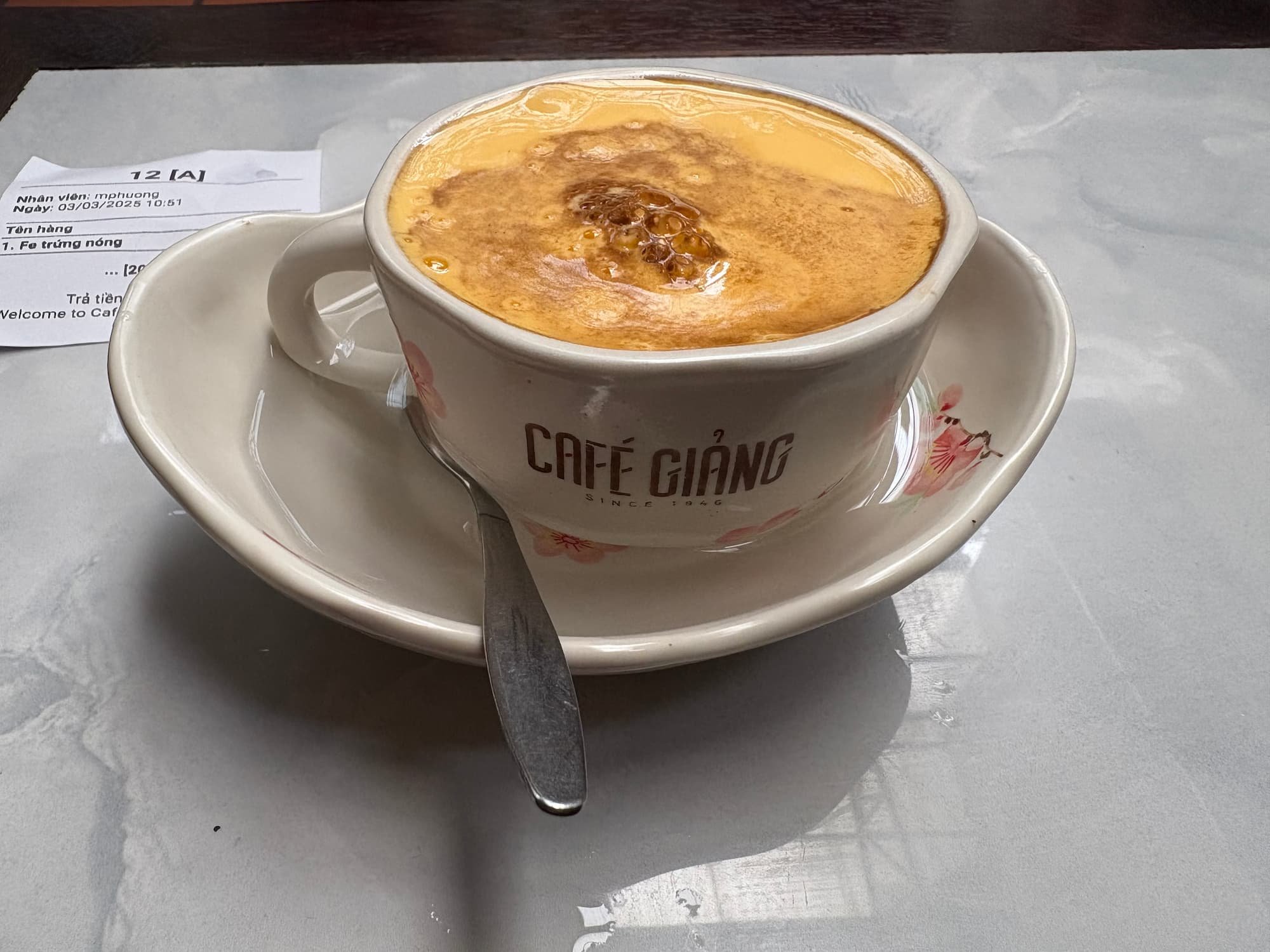
My first egg coffee at the home of the delicacy.
I found that it tastes more like dessert than a drink, but delicious regardless!
Sitting upstairs in one of the most famous cafés felt like a proper Hanoi moment for me. Egg coffees get the thumbs up from me.
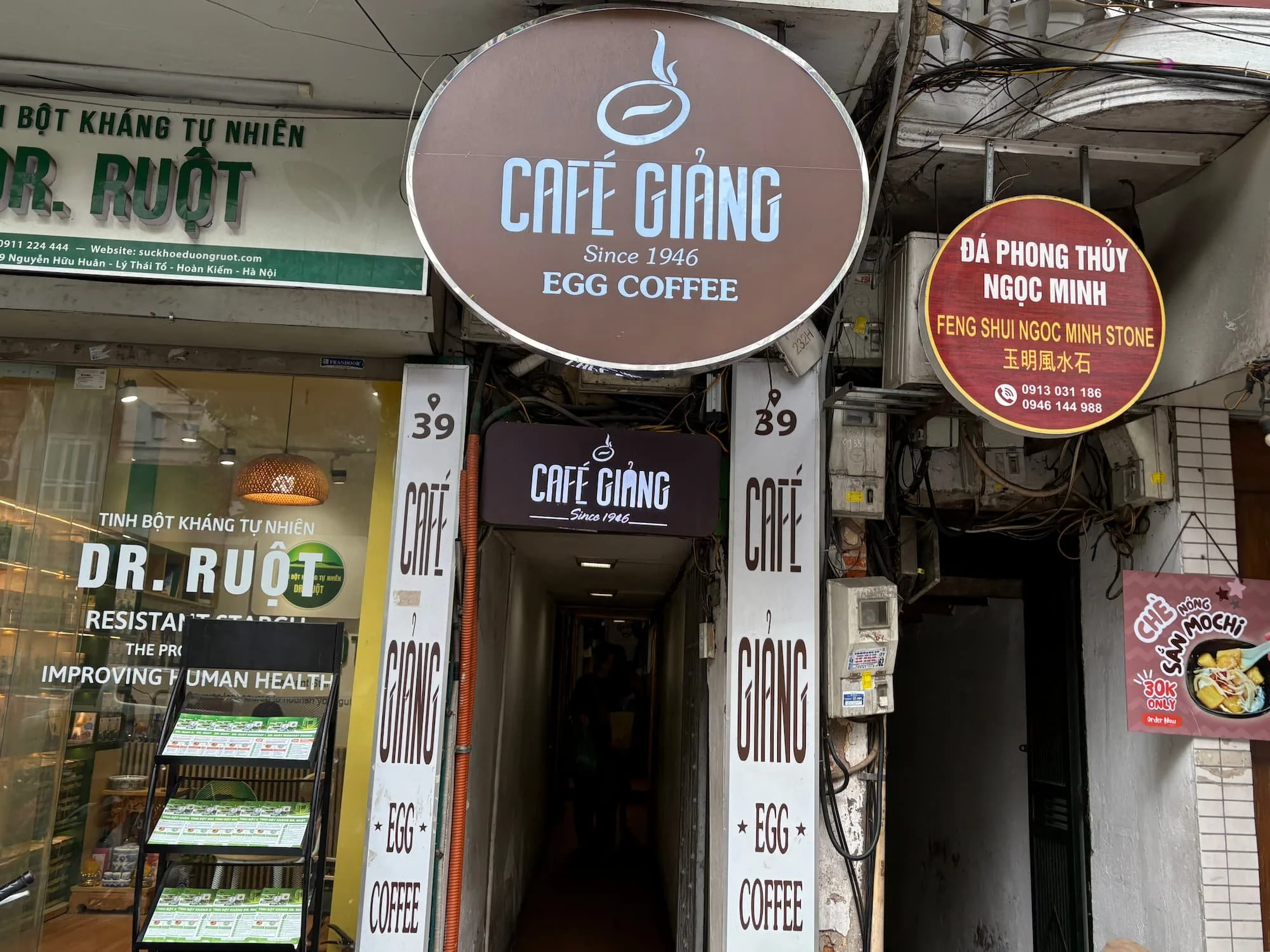
An awesome spot.
Eating in Ho Chi Minh City.
Ho Chi Minh City feels far more international when it comes to food.
I still found excellent local dishes like Hanoi - pho, broken rice, banh mi etc, but they sit alongside Korean BBQ spots, Thai restaurants, Japanese ramen, western brunch cafés, and rooftop restaurants.
Eating in Saigon on my different visits has also felt more varied.
Ho Chi Minh City’s food scene felt more like a global city to me, exciting and diverse, but less about tradition and more about choice, and convenience.
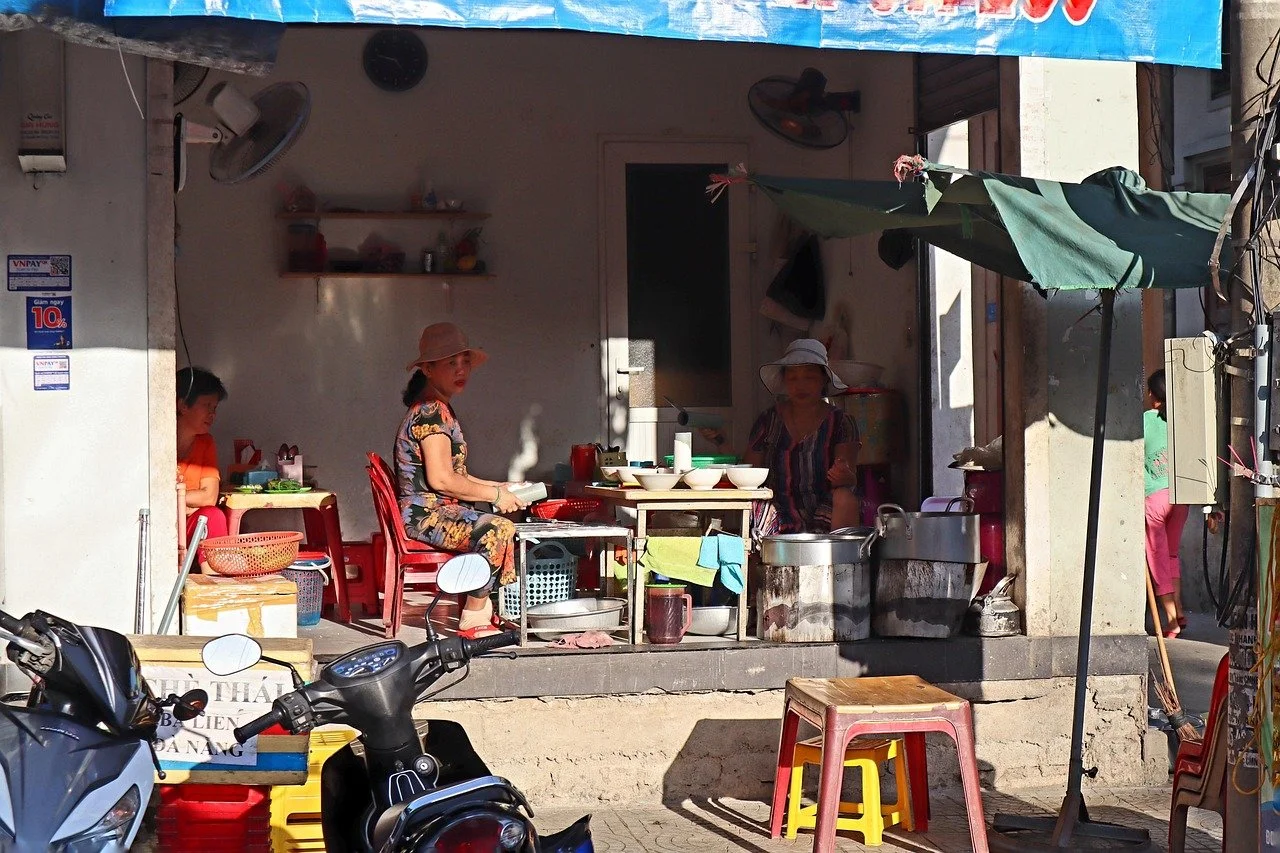
A regular sight in Saigon.
Nature & Day Trips – What’s beyond the cities?
Hanoi and Ho Chi Minh City are two of the best places to visit in Vietnam, however, both can feel intense at times, with busy roads, constant noise, and packed itineraries.
What really separates them, though, is what you can escape to once you need a break from city life.
Both cities are gateaways to some iconic, and very popular locations…
Where you base yourself in Vietnam can shape the kind of landscapes, adventures, and day trips you’ll experience.
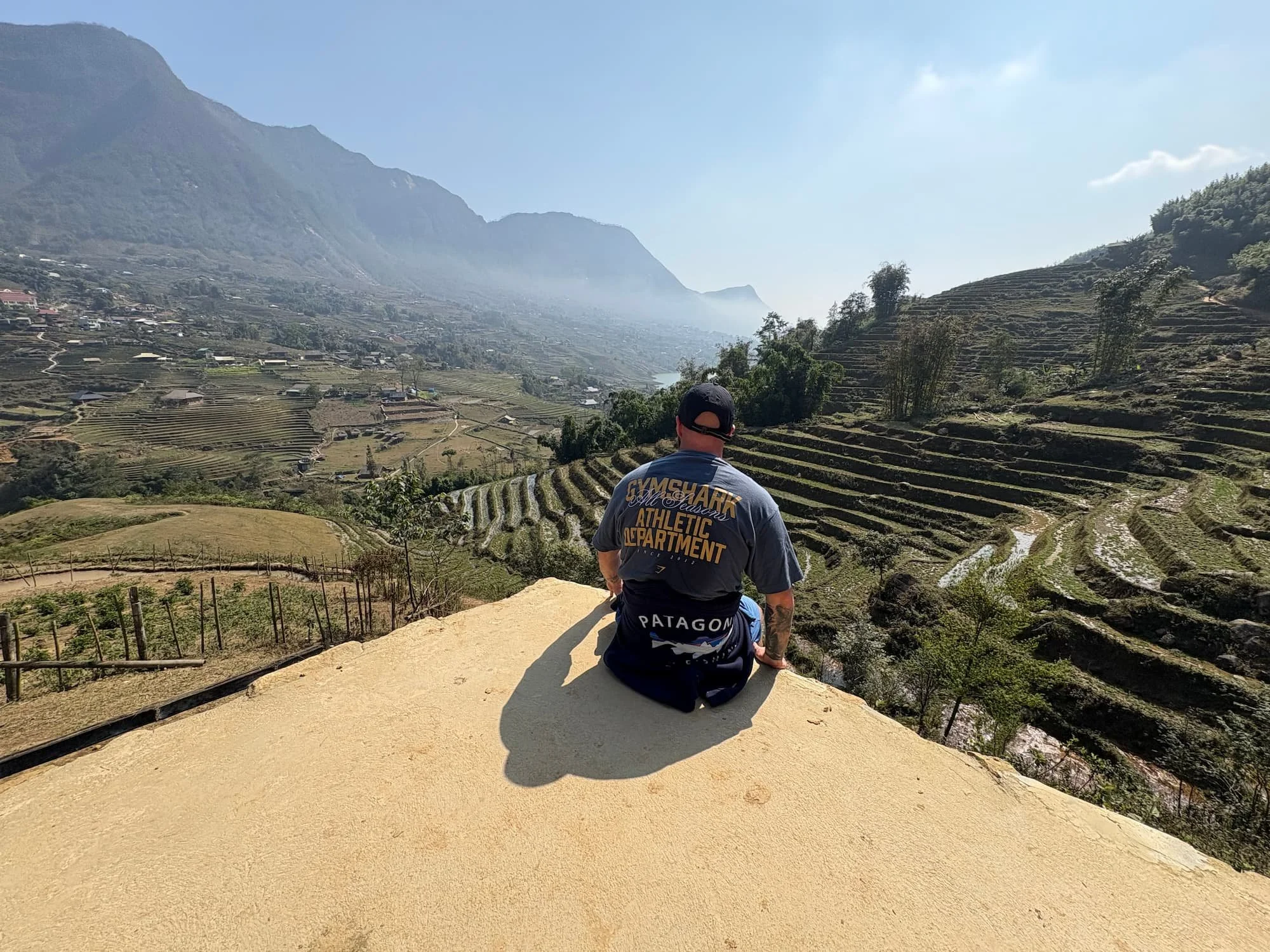
The rice fields of Sapa.
From Hanoi - Ha Long Bay, Sapa & Ninh Binh.
This is where Hanoi truly excels.
One of the main reasons I kept coming back to Hanoi is how easily it connects you to some of Vietnam’s most iconic natural landscapes, without needing to fly or overhaul your itinerary.
From Hanoi, you can comfortably visit:
Ha Long Bay.
One of Vietnam’s most famous UNESCO sites, known for its towering limestone karsts and emerald waters. Whether you do a long day trip or an overnight cruise, Ha Long Bay feels like a complete reset from city life.
I’d recommend at least an overnight cruise if your schedule allows, however, on my last visit I enjoyed a very well organised day trip from Hanoi.
Ha Long Bay Cruise – Sail through limestone karsts, kayak emerald waters, and enjoy a stress-free day (or overnight) on one of Vietnam’s most iconic routes.

A picture perfect Ha Long Bay.
Ninh Binh.
Often called ‘Ha Long Bay on land’. Ninh Binh was one of my favourite day trips in Vietnam.
Dramatic limestone cliffs rise out of rice fields, temples sit quietly between rivers, and the boat rides through Trang An or Tam Coc are incredibly peaceful. It’s easy to visit on a day trip, and one of my favourite Instagram spots in Vietnam.
Ninh Binh Day Trip – Glide past temples and rice fields by boat, climb viewpoint steps, and experience “Ha Long Bay on land” without the crowds.

An awesome speedboat tour at Ha Long Bay.
Sapa.
For something completely different, Sapa offers mountain scenery, rice terraces, and trekking through hill-tribe villages.
I loved that I could leave Hanoi in the evening on a sleeper or luxury bus and wake up surrounded by misty mountains. It feels worlds away from the capital.
What makes Hanoi special is how easy all of this is. Tour companies are experienced, transport is reliable, and you can choose between budget-friendly group tours or more premium small-group experiences.
Sapa Trek or Overnight Trip – Escape the city and head north for misty mountains, rice terraces, and village walks with local guides.

Ninh Binh.
Cu Chi Jungle & Mekong Delta for a day from Saigon.
Ho Chi Minh City’s day trips offer a very different kind of escape.
Instead of dramatic landscapes, trips from Saigon focus more on history, daily life, and river culture, and they’re usually done as structured, full-day tours.
The most popular option combines:
Cu Chi Tunnels.
One of the most eye-opening experiences in southern Vietnam. Crawling through sections of the tunnels really puts the war into perspective and helped me understand how resourceful and resilient people had to be. It’s intense, educational, and worth doing at least once.
Mekong Delta.
The Mekong gives you a glimpse into rural southern Vietnam: river boats, coconut farms, village homes, and floating markets. While it’s more touristy than I expected, it still offers a nice contrast to the pace of Saigon.
I found these trips informative, but long. Expect early starts, fixed schedules, and lots of explanation, it’s less about wandering and more about learning.
➡️ Book a combined Cu Chi Tunnels & Mekong Delta day tour here.
Choose a tour that leaves early, limits group size, and includes lunch and hotel pickup for the smoothest experience.
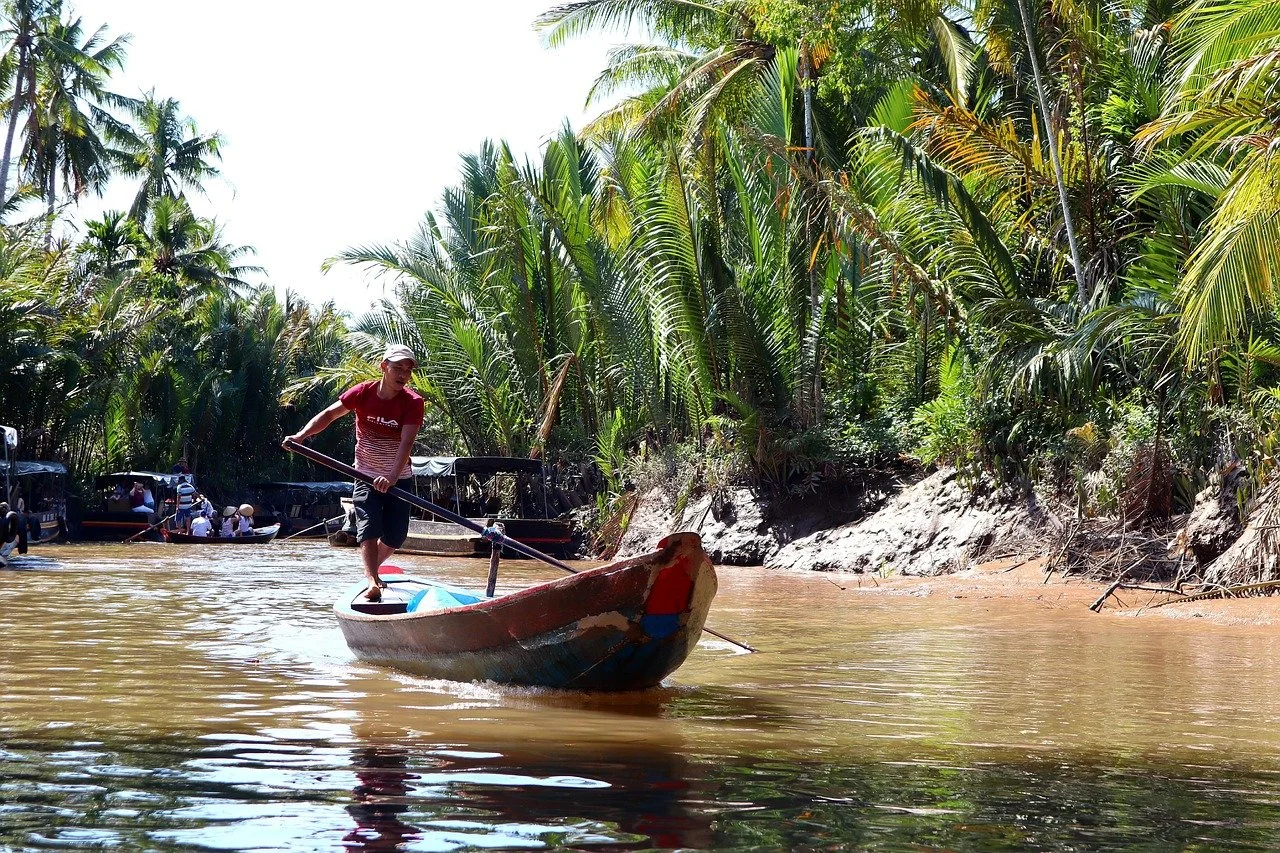
Mekong Delta.
Costs & Value – Which stretches your budget further?
Both Hanoi and Ho Chi Minh City are affordable by international standards, but my money definitely went further in Hanoi.
In Hanoi, I found accommodation, food, and transport consistently cheaper, especially around the Old Quarter and West Lake. Street food meals regularly cost under £2, café coffees were £1–2, and even decent mid-range hotels felt like great value.
Day trips from Hanoi (to Ninh Binh or Ha Long Bay) are also competitively priced thanks to high demand and established tour routes.
Ho Chi Minh City is still good value, but noticeably pricier.
Hotels in District 1, rooftop bars, western cafés, and nightlife on streets like Bui Vien all add up quickly. Grab rides are cheap per trip, but distances are longer, so transport costs can creep up over a few days
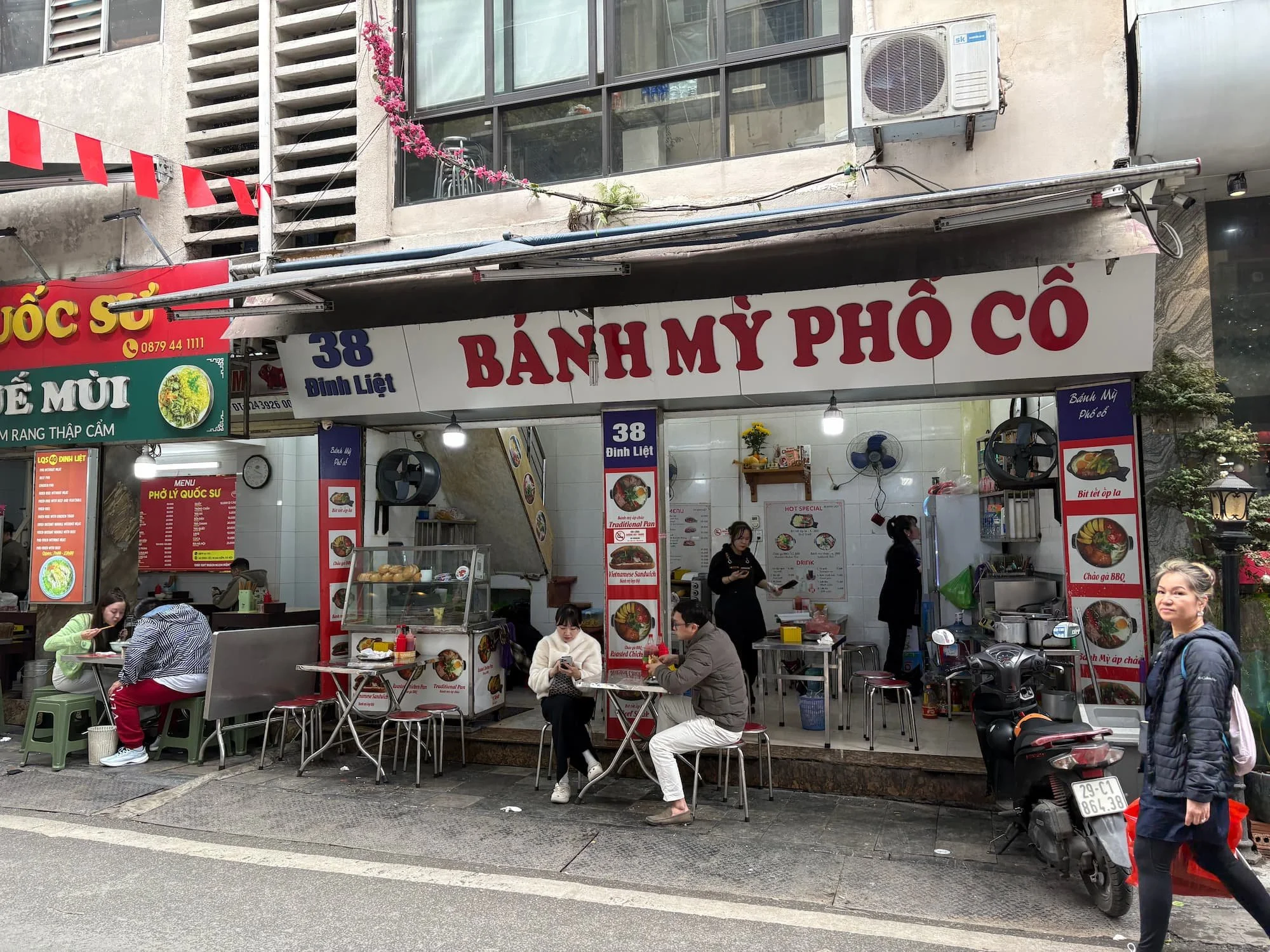
There is some really cheap food options in both cities.
Getting around & between.
I found Hanoi to be surprisingly walkable, especially around the Old Quarter and Hoàn Kiếm Lake, where most key sights sit close together.
I spent most of my time here on foot, exploring, and dropping into cafés and temples, without needing transport. For short distances, Grab is cheap and reliable, and cyclos are a fun (if touristy) way to see the Old Quarter at a slower pace.
For travelling beyond the city, Hanoi is very well connected, luxury buses and sleeper services make it easy to reach places like Ninh Binh, Ha Long Bay, and Sapa without flying.
Ho Chi Minh City is far larger and more spread out though…
Walking is fine within individual districts, but getting between areas usually means scooters, Grab bikes, or taxis. Traffic is constant, and journeys can take longer than expected, especially at rush hour.
The city does now have its first metro line, linking central District 1 with eastern areas, but it’s still limited and won’t cover most tourist routes yet. In practice, Grab remains the easiest way to get around.
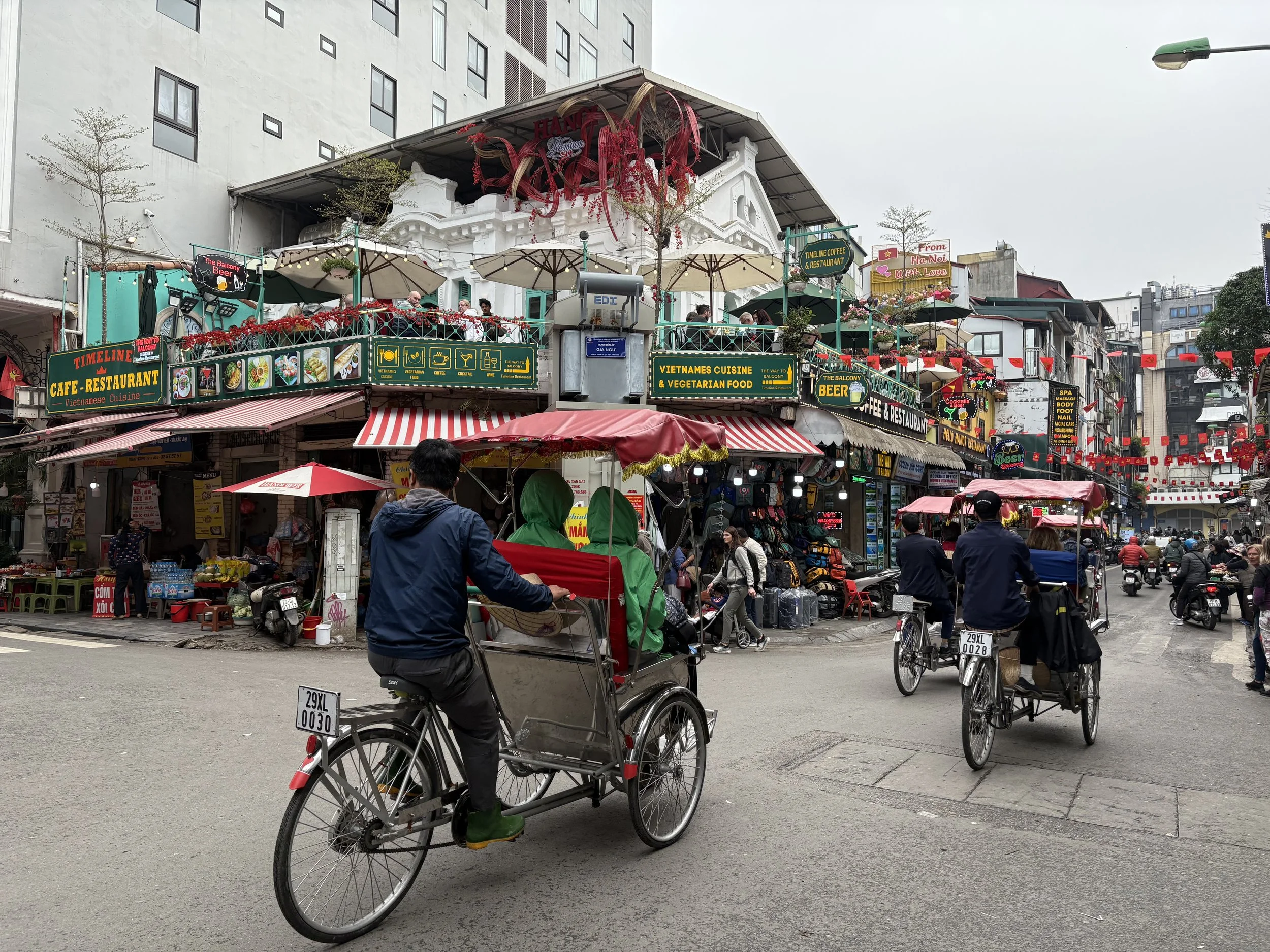
Cyclo is a popular way of getting around Hanoi.
Weather & best time to visit.
Hanoi has noticeable seasons, which really shape the experience.
Best time: October to April.
Cooler, drier weather makes walking the Old Quarter and doing day trips far more comfortable.
Winter (Dec–Feb) can feel surprisingly cool in the evenings.
Summer is hot and humid, with occasional heavy rain.
Ho Chi Minh City is warm all year with two main seasons.
Best time: December to April.
Dry season brings lower humidity and clearer skies.
Rainy season (May–Oct) means short, heavy downpours — usually in the afternoon.
Heat stays fairly constant year-round.
If you prefer cooler days and seasonal variety, Hanoi is easier to explore.
If you don’t mind heat and want consistency, Ho Chi Minh City works year-round.
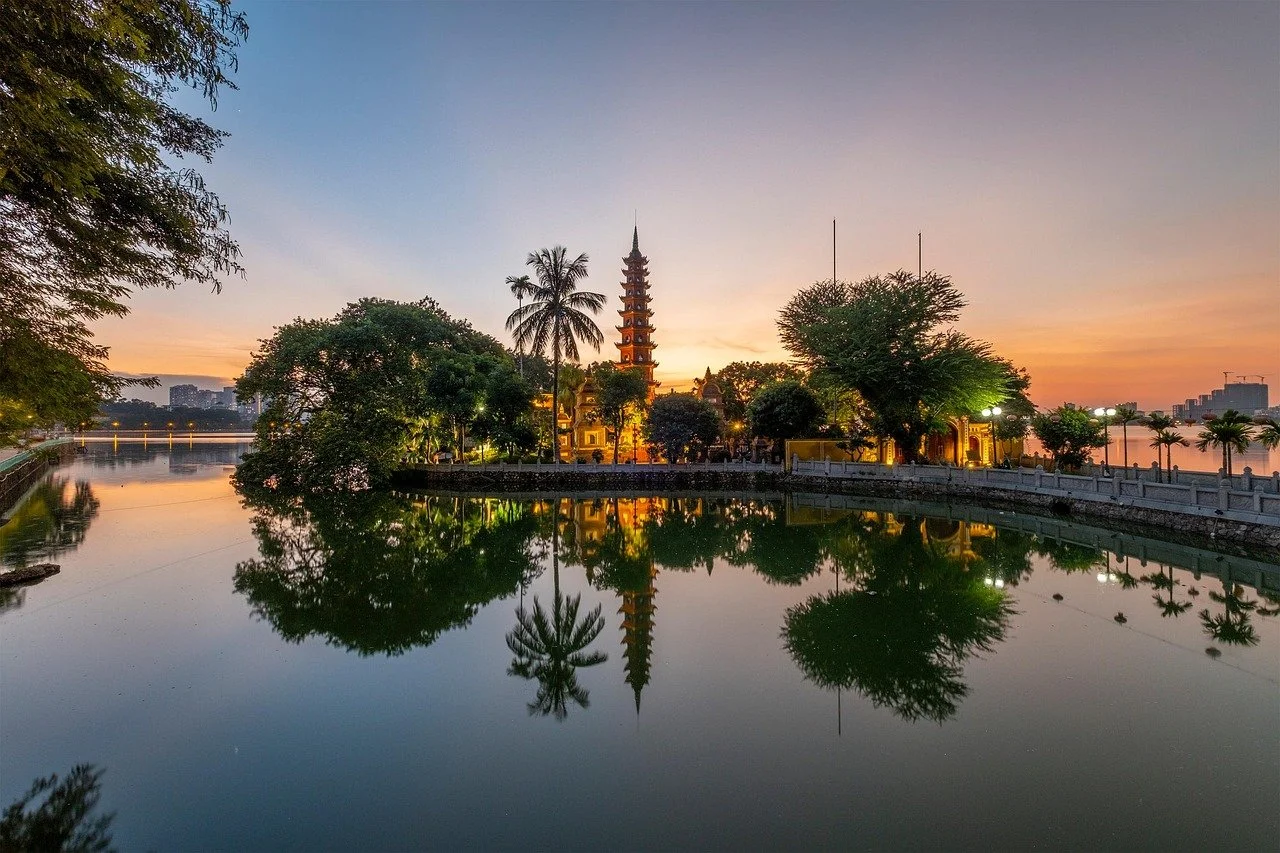
A golden sunset over Tran Quoc Pagoda in Hanoi.

West Lake in Hanoi.
Nightlife & Evenings - Two incredible cities for backpackers.
Ho Chi Minh City is all about big, loud nights.
Bui Vien Street is the main event, with flashing lights, booming music, dancers outside bars, and cheap beers everywhere.
It’s chaotic, intense, and goes on late, with clubs, rooftop bars, and late-night food keeping the energy high well past midnight. If you’re chasing a full-on party scene, Saigon delivers.
Hanoi feels more social and relaxed.
Evenings in the Old Quarter revolve around small bars, craft beer spots, and street-side drinking on plastic stools. It’s lively without being overwhelming.
My nights here ended with Banh Mi 25, and a beer. If you prefer chilled nights with atmosphere, Hanoi suits it better.
Quick verdict:
Big parties and late nights — Ho Chi Minh City.
Laid-back bar hopping and street vibes — Hanoi.
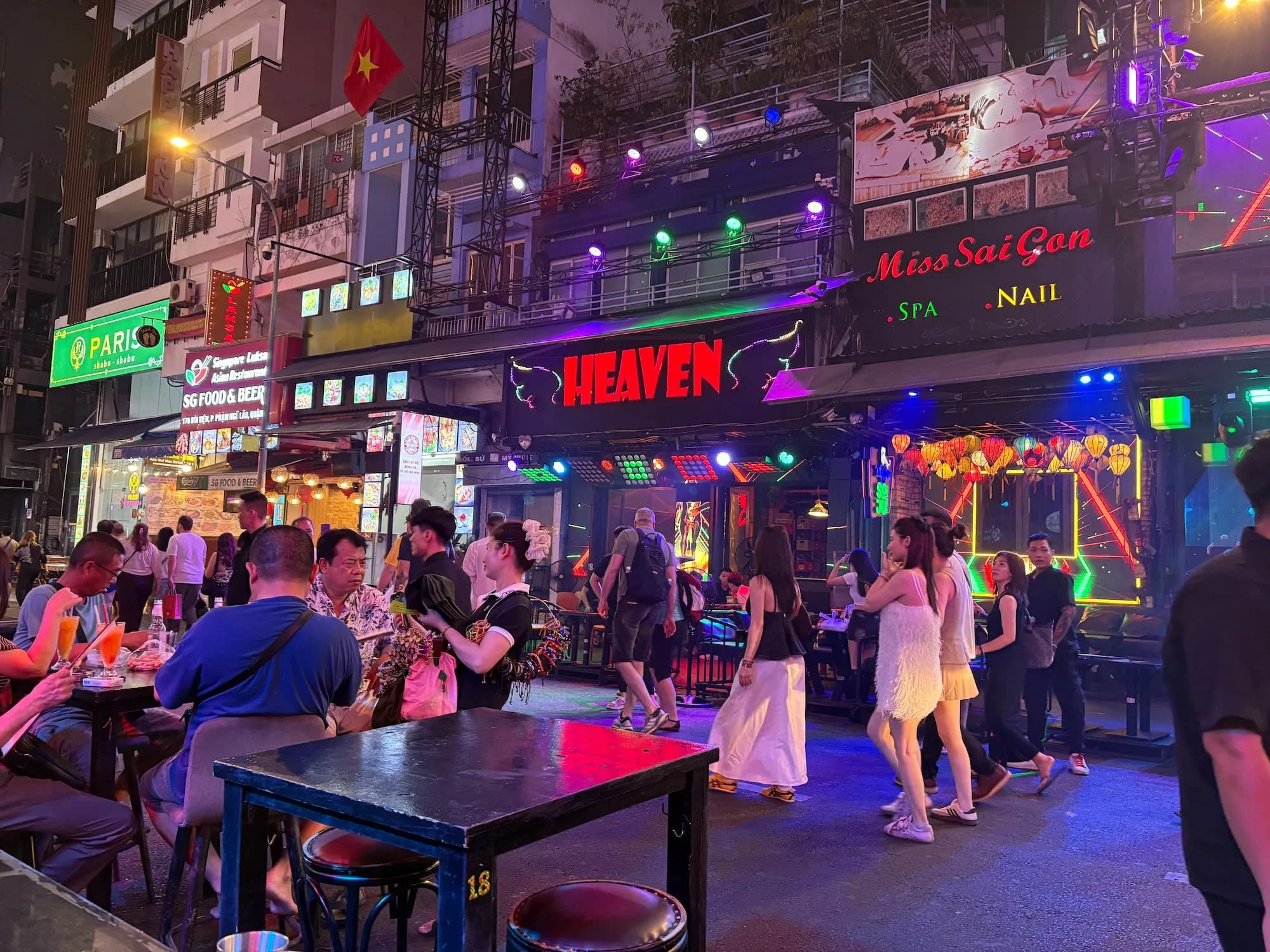
Bui Vien Street in Ho Chi Minh City.
Are both cities safe?
This is one of the questions I get asked most, and the short answer is yes, both cities are generally safe, but I had to be switched on.
I felt comfortable walking around both Hanoi and Ho Chi Minh City during the day and evening, even solo. Violent crime against tourists is rare, and most issues come down to scams or overcharging, rather than anything serious.
Ho Chi Minh City is where I had the most issues. I was overcharged in a taxi early on, before I started using Grab regularly. Once I switched to app-based transport, things became much smoother and far less stressful.
The city moves fast, and if you’re not paying attention, it’s easy to feel rushed into agreeing to prices. Especially when you first land at the airport.
Hanoi felt a bit calmer and more predictable day to day. Street life is busy, but it’s also very local, and I found people more upfront. It is more walkable also, which eliminates the transport scam risk.
My biggest tip for both cities: use Grab, keep low note denominations, and also double check your cash in any transaction.

Security is tight in both cities.
Final Verdict – Why Hanoi Wins for me.
For me, Hanoi just edges it…
While I enjoyed the energy of Ho Chi Minh City, Hanoi felt more authentic and grounded.
Wandering through the Old Quarter, watching daily life unfold on streets that have existed for centuries, gave me a much deeper connection to Vietnam
Experiences like Train Street were genuinely memorable, not just because they’re unique, but because they sit right inside normal neighbourhoods.
What really sealed it for me, though, is how well Hanoi works as a base.
From here, I could easily explore Ha Long Bay, head north to Sapa, or escape into nature in Ninh Binh, all without changing cities. I ended up returning to Hanoi multiple times during my trip because it just made sense logistically and culturally.
If you want history, character, and access to some of the country’s best day trips, Hanoi is the better choice.
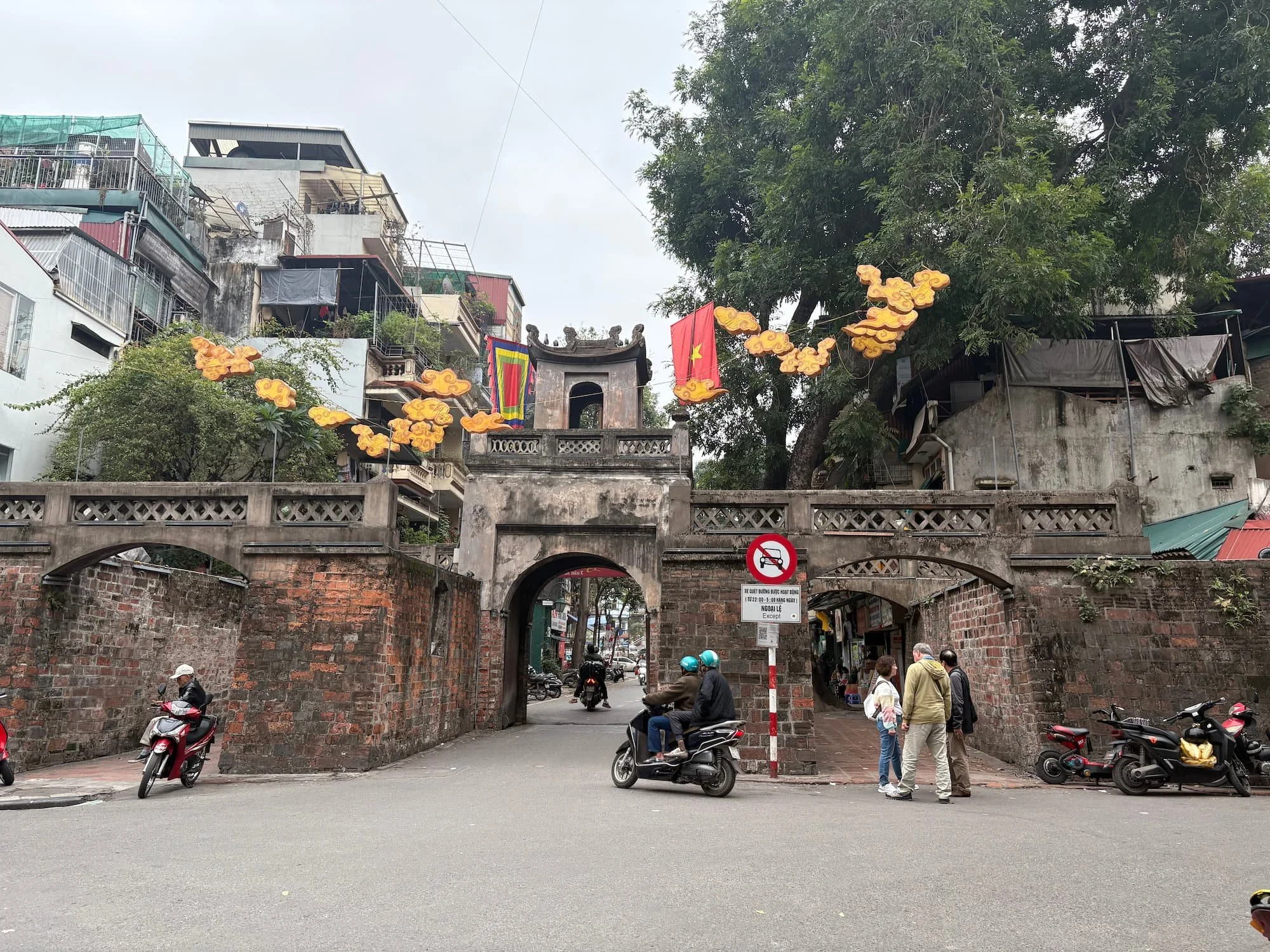
The hIstoric heart of Hanoi.
Could Da Nang or Hoi An Be a Better Fit?
If both Hanoi and Ho Chi Minh City feel a bit intense, Da Nang or Hoi An might suit your travel style better.
Da Nang offers a more relaxed coastal lifestyle, with wide beaches, modern cafés, and easy access to places like the Lady Buddha statue, Ba Na Hills, and the Marble Mountains.
It felt far less chaotic than Vietnam’s big cities, but still lively enough to avoid feeling sleepy. If you’re planning a longer stay, this guide on where to stay in Da Nang breaks down the best areas, and my Da Nang itinerary shows how easy it is to explore at a slower pace.
Timing matters too, especially beach season, so it’s worth checking the best time to visit Da Nang before you book.
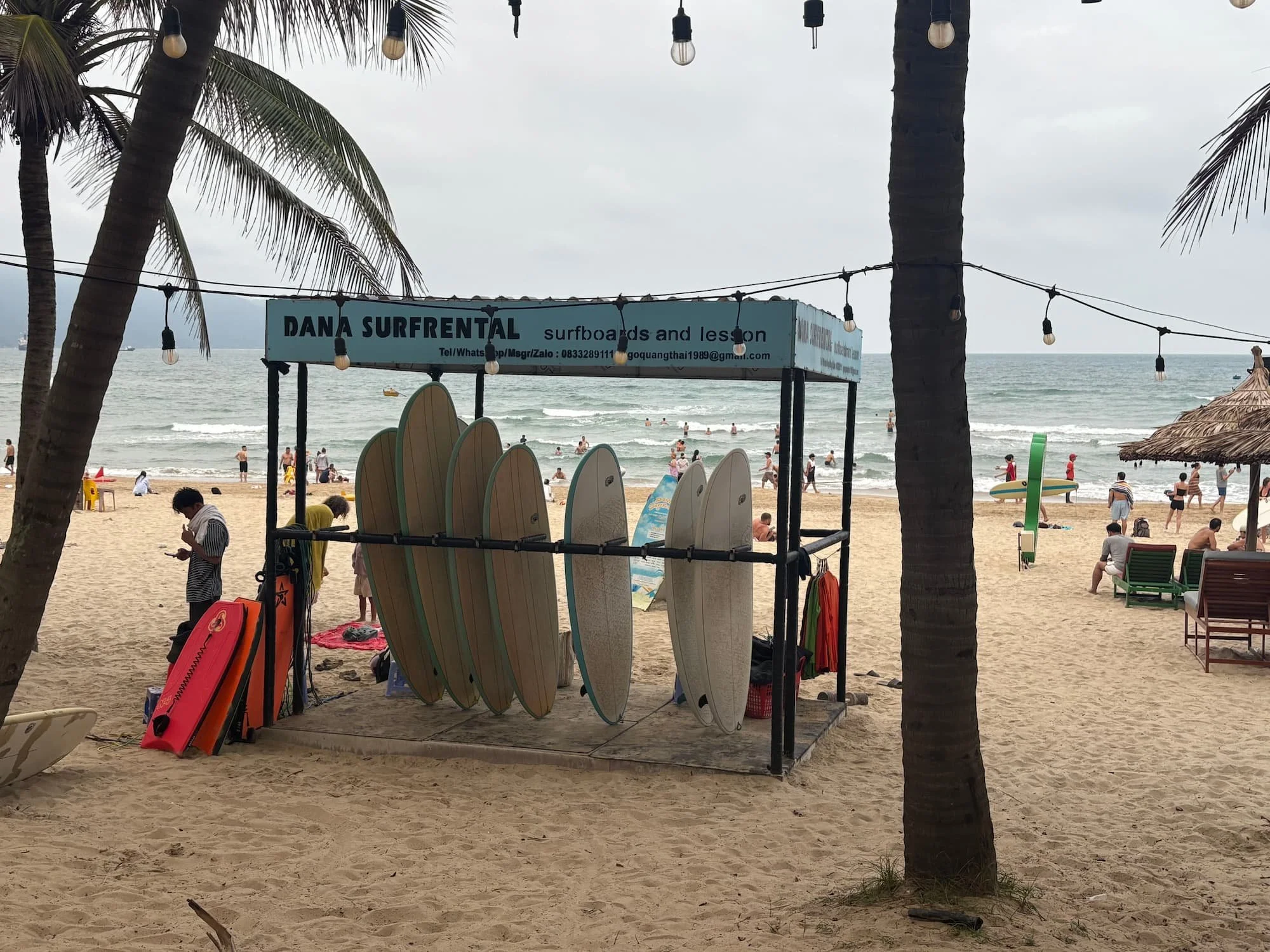
My Khe Beach in Da Nang.
Hoi An, on the other hand, is smaller, prettier, and far more atmospheric…
Lantern-lit evenings, historic streets, and riverside cafés make it feel worlds away from the noise of Hanoi or Saigon. If you’re wondering is Hoi An worth visiting, the short answer is yes, especially if you value charm, walkability, and photography over big-city energy.
For many travellers, combining one major city with Da Nang or Hoi An creates the perfect balance.

Just floating through the jungle mear Hoi An.
FAQs – First-Time visitors to Vietnam.
If you’re still deciding how to structure your Vietnam trip, these are the questions I get asked most by first-time visitors — with honest answers based on my own experience:
Is Hanoi or Ho Chi Minh City better for first-time visitors?
Both are great, but they offer very different introductions to Vietnam.
Hanoi is better if you want culture, history, and a slightly slower pace, while Ho Chi Minh City suits travellers who enjoy big-city energy, modern cafés, and fast-moving itineraries. If you have time, visiting both gives the best overall picture of the country.
How many days do you need in Hanoi or Ho Chi Minh City?
I’d recommend 3–4 days in Hanoi to explore the Old Quarter, lakes, food scene, and nearby day trips. 2–3 days in Ho Chi Minh City is enough to see the main sights, visit war history sites, and experience the nightlife. If you’re short on time, Hanoi feels more rewarding for longer stays.
Can you visit both Hanoi and Ho Chi Minh City in one trip?
Absolutely, and I’d recommend it if you have 10 days or more. A short flight connects the two cities in around two hours, making it easy to experience both northern and southern Vietnam in one itinerary.
Is Hanoi or Ho Chi Minh City safer for tourists?
Both cities felt safe during my visits, even when exploring solo. Hanoi felt calmer and more walkable, especially around the lakes and Old Quarter. Ho Chi Minh City is busier and more intense, so you need to be more aware of traffic and pickpocketing in crowded areas, particularly at night.
Which city is cheaper: Hanoi or Ho Chi Minh City?
Hanoi is generally a little cheaper day-to-day. Accommodation, street food, and café prices are lower, especially around the Old Quarter. I have recommended some popular hotels in my where to stay in Hanoi guide.
Ho Chi Minh City has more upscale dining and rooftop bars, which can push daily costs up, though both cities still offer excellent value overall.
Disclosure: I sometimes use affiliate marketing. This will not cost you anything, but helps with my travel costs. I only recommend companies I use myself.